
Beautiful Plants For Your Interior
Beautiful Plants For Your Interior
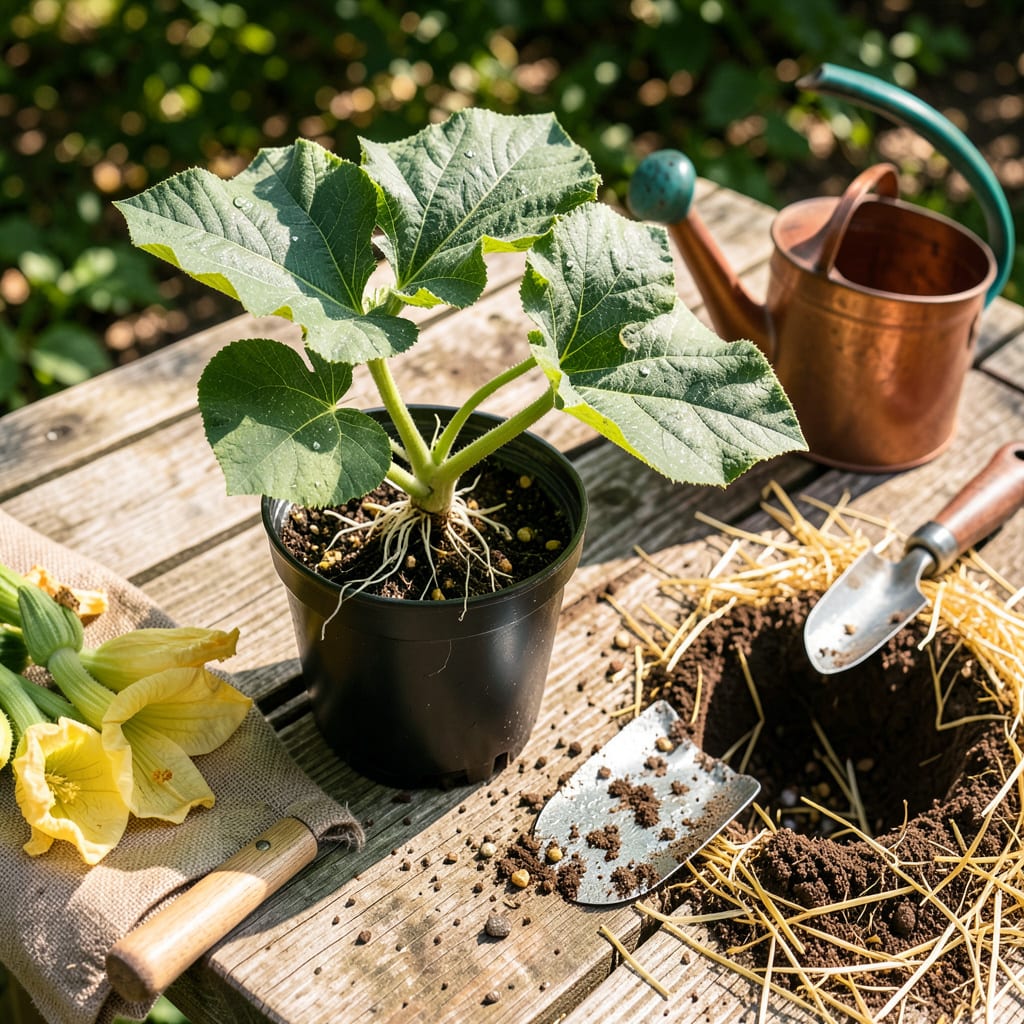
I used to lose half my zucchini seedlings to transplant shock—until I figured out the right way to move them. The difference between wilted, struggling plants and ones that take off overnight comes down to timing and technique. Wait until your seedlings have 2-3 true leaves and the soil stays warm, then follow this method that’s saved me seasons of frustration.
You’ll be shocked how quickly they bounce back when you handle the roots gently, plant at the right depth, and give them a deep drink of water right after moving. No more sad, drooping plants that never recover. My zucchini now establish faster and produce earlier because I finally nailed the transplant process—no green thumb required.
📚 In This Guide
Here’s my foolproof method for moving zucchini plants without shock—you’ll see them thrive in their new home.
Transplant zucchini in the late afternoon or on a cloudy day to minimize stress from direct sun. I always pick a day when the forecast shows 5-7 days of mild weather ahead—no extreme heat or cold snaps. The soil temperature should be at least 60°F for healthy root development.
Prepare the new planting hole first—it should be twice as wide as the current root ball but no deeper. Mix a handful of compost into the bottom of the hole to give roots immediate nutrients. Water the hole thoroughly and let it drain before moving your plant.
Water your zucchini plant 1-2 hours before transplanting—this helps the root ball hold together. Gently squeeze the sides of the container to loosen the soil, then turn it sideways while supporting the stem between your fingers. Tap the bottom if needed until the root ball slides out intact.
Never pull by the stem—zucchini stems break easily. If roots are circling the pot, gently tease them apart with your fingers. You want roots to spread outward in their new home, not continue growing in circles. Handle the plant by its root ball, not the leaves or stem.
Place the zucchini in the hole so the soil level matches exactly where it was in the original container. Burying the stem too deep can cause rot, while planting too high exposes roots. Fill around the root ball with soil, pressing gently to eliminate air pockets—but don’t compact it.
Create a shallow water basin around the plant by mounding soil in a 3-inch circle about 6 inches from the stem. This directs water to the roots where it’s needed most. Water immediately with 1-2 quarts to settle the soil around the roots.
Shield the transplant from direct sun for 2-3 days using a cardboard box or shade cloth. I’ve found this prevents wilting while roots establish. Keep the soil consistently moist but not soggy—check daily by feeling 1 inch below the surface.
Wait 7-10 days before fertilizing to avoid burning tender new roots. Watch for new leaf growth—that’s your signal the plant has recovered. If leaves wilt slightly the first day, don’t panic; this is normal transplant shock that should resolve within 24-48 hours.
These practical insights will help you avoid setbacks and ensure your zucchini plants transition smoothly to their new home.
Timing is Everything: The 1-2 hours of pre-transplant watering in Step 2 makes all the difference. I’ve found that plants watered for the full 2 hours hold their root balls together better during the move, reducing stress. If you’re short on time, at least give it the full hour—this prevents soil from crumbling away from roots during removal.
Root Handling Technique: When you’re teasing apart circling roots in Step 2, be gentle but thorough. I use my fingertips to carefully separate roots that have grown in circles, encouraging them to spread outward. This might feel counterintuitive, but you’re actually helping the plant establish faster in its new location by guiding roots to grow outward rather than continuing their circular pattern.
Soil Temperature Check: That 60°F soil temperature mentioned in Step 1 isn’t just a suggestion—it’s critical for root development. I use a simple soil thermometer (available at garden centers) to verify the temperature at planting depth. If your soil is cooler, consider using black plastic mulch to warm it up faster, or wait a few days until temperatures rise naturally.
Post-Transplant Monitoring: During those first 2-3 days of shade protection in Step 4, check your plants at both morning and evening. I’ve noticed that late afternoon is when wilting is most likely to occur if the plant is struggling. A quick spritz of water on the leaves (not just the soil) can help perk up a wilted plant while roots establish.
You can do both! Starting seeds indoors 2-3 weeks before the last frost gives plants a head start, but direct sowing works too—just wait until soil temps reach at least 60°F. Indoor starts are ideal for shorter growing seasons, while direct planting reduces transplant shock.
Transplant on a cloudy day or in the late afternoon/evening to minimize stress from heat and sun. This gives roots time to settle overnight. Avoid midday sun—it can wilt tender seedlings before they establish.
Wilting is normal for 24–48 hours, but if it persists, check for underwatering (soak the base) or overwatering (let soil dry slightly). Shield plants with shade cloth for 3–5 days and avoid fertilizing until they recover. Most bounce back with TLC!
Space plants 2–3 feet apart in rows 4–6 feet apart—zucchini leaves spread widely! Crowding reduces airflow, inviting pests/disease. For bush varieties, 2 feet is fine; vining types need more room (or a trellis). Measure twice, plant once!
Choose a 5-gallon minimum container (bigger = better) with drainage holes. Use potting mix, not garden soil, and place in full sun. Dwarf varieties like ‘Eight Ball’ or ‘Patio Star’ thrive in pots. Water daily—containers dry out fast!
