
Beautiful Plants For Your Interior
Beautiful Plants For Your Interior
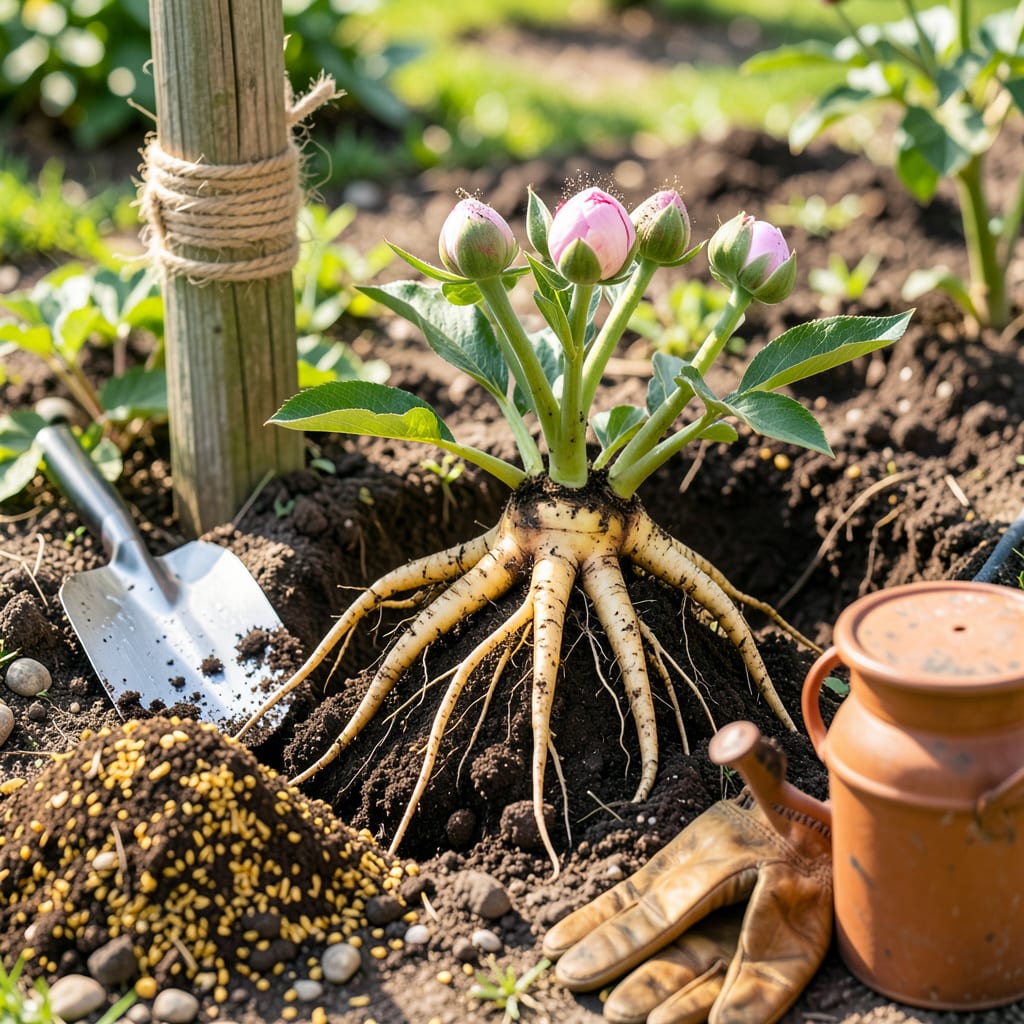
I moved my first peony in spring by accident—and it thrived. That’s when I learned the secret: while fall is ideal, spring transplanting works beautifully if you time it right. The key is acting immediately after new shoots emerge, before the plant invests energy in blooms. You’ll get established roots and flowers the same season if done properly.
This isn’t just about digging and replanting. It’s about giving your peonies a fresh start with the right depth (eyes 1-2 inches below soil), perfect drainage, and full sun exposure. I’ve relocated dozens this way, and the ones that get pampered post-move reward me with bigger blooms by next year. Here’s exactly how to do it without shock or stress.
📚 In This Guide
Timing and technique make all the difference—here’s how I move peonies with zero transplant shock.
Transplant peonies in early spring as soon as the ground thaws but before new shoots emerge. I aim for when the soil is workable but still cool—usually 4-6 weeks before your last frost date. This gives roots time to establish before summer heat.
Select a sunny location with well-draining soil and at least 6-8 hours of direct sunlight daily. Dig the new hole 12-18 inches wide and deep—twice the size of the root ball. Mix compost or aged manure into the removed soil to enrich it. You want loose, fertile soil that roots can penetrate easily.
Use a sharp spade to cut a 12-inch diameter circle around the plant, going deep to preserve roots. Start digging 8-10 inches away from the stems to avoid slicing through the root system. Peony roots are surprisingly deep, so expect to dig 8-12 inches down.
Once the root ball is free, gently lift it from the ground. Shake off excess soil to expose the roots, but don’t wash or soak them—this removes beneficial microbes. Look for thick, fleshy roots and pinkish buds (called “eyes”) near the crown. These are your growth points for next year’s blooms.
Place the peony in the new hole so the eyes sit 1-2 inches below the soil surface. This is critical—planting too deep prevents blooming, while too shallow exposes roots. Hold the plant upright as you backfill with your enriched soil, gently firming it around the roots to eliminate air pockets.
Water thoroughly to settle the soil, using 1-2 gallons per plant. The soil should feel moist but not soggy. I create a 3-inch high soil ring around the plant to act as a water basin, directing moisture straight to the roots where it’s needed most.
Add a 2-3 inch layer of organic mulch (shredded bark or straw) around the plant, keeping it 3 inches away from the stems to prevent rot. This conserves moisture and regulates soil temperature as the peony establishes itself. Don’t fertilize now—wait until you see new growth in 4-6 weeks.
Water deeply once a week unless rain provides 1 inch of moisture. The first year after transplanting, you might see fewer blooms—that’s normal. By the second season, your peony will reward you with its full glory, now perfectly positioned in its new home.
Here’s what I’ve learned from years of moving peonies—small details that make a huge difference in their survival and future blooms.
Timing Precision: That 4-6 week window before your last frost date isn’t just a suggestion—it’s critical. I’ve found that transplanting too early when soil is still frozen stresses the roots, while waiting until shoots appear (even small ones) can set back blooming for a full year. Use a soil thermometer to confirm your soil is consistently above 40°F at 6 inches deep before moving plants.
Root Handling Technique: When you’re digging that 12-inch diameter circle in Step 2, work your spade at a 45-degree angle toward the plant center. This creates a cone shape that preserves more feeder roots. I also recommend laying a tarp next to the hole to place the root ball on—this prevents roots from drying out while you prepare the new site, and makes it easier to inspect for damaged roots that need trimming.
Depth Verification: The 1-2 inch planting depth in Step 3 is non-negotiable for blooms. Here’s my trick: lay a straight board or long-handled tool across the hole to check your depth as you backfill. Peony eyes have a tendency to shift upward as soil settles, so I actually plant them 2 inches deep initially—this accounts for that natural settling while keeping them in the ideal zone. After watering, recheck and add more soil if needed to maintain that depth.
Watering Strategy: That 1-2 gallons per plant immediately after transplanting isn’t just about moisture—it’s about eliminating air pockets. I water in three stages: first to settle the soil, then after 10 minutes to allow soil to absorb, and a final light watering to create that perfect moist-but-not-soggy consistency. The 3-inch soil ring you create acts like a mini reservoir, so make sure it’s compact enough to hold water but not so hard it prevents absorption.
While fall (September–October) is ideal, spring transplanting is possible! Aim for early spring (as soon as soil is workable) to minimize shock. Avoid late-spring moves when buds form—this stresses the plant. Fall-transplanted peonies establish better, but spring works if done carefully with extra watering.
The “eyes” (buds) must be no deeper than 1–2 inches below soil. Planting too deep = fewer blooms! In heavy clay soil, aim for 1 inch; in sandy soil, 2 inches max. Use a ruler to check—this small detail makes a huge difference for future flowers.
Common culprits:
Yes, but only if necessary. Spring division is riskier than fall—each section needs 3–5 eyes and healthy roots. Use a clean knife, dust cuts with fungicide, and plant immediately. Expect fewer blooms the first year as divisions recover.
Keep soil evenly moist (not soggy) for 4–6 weeks. Water deeply 1–2 times weekly (1–1.5 inches total), directing water at the root zone (not foliage). Mulch with 2–3 inches of shredded bark to retain moisture. Reduce frequency once new growth appears.
