
Beautiful Plants For Your Interior
Beautiful Plants For Your Interior
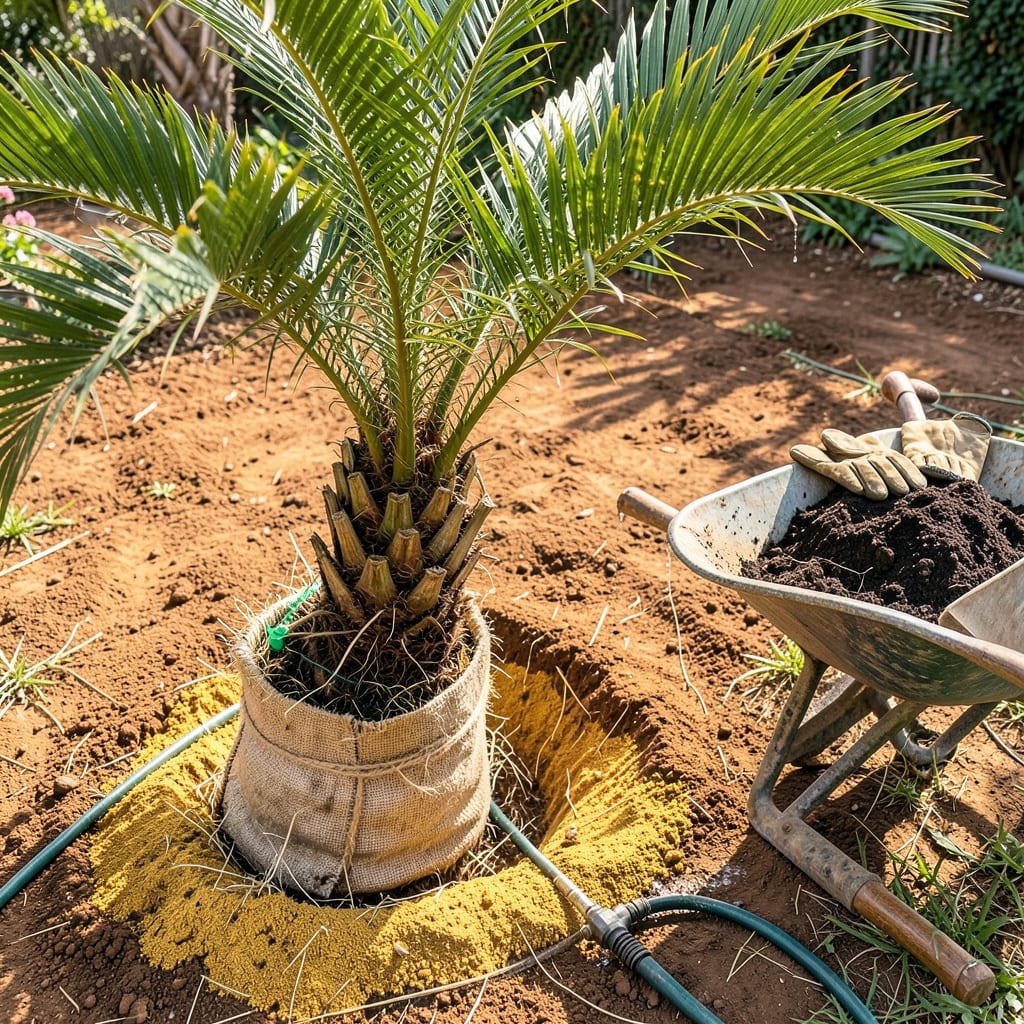
Moving a palm tree feels like performing surgery on a living sculpture. I’ve relocated dozens—from spiky pygmy dates to towering queen palms—and the secret isn’t brute strength, but timing and technique. Do it right, and your tree won’t just survive; it’ll throw out new fronds within weeks, like it never left home.
The difference between a thriving transplant and a slow decline comes down to three things: when you move it, how you handle the roots, and what happens in the first 30 days after replanting. Skip the guesswork—I’m sharing the exact method that’s given me a 90% success rate, even with finicky species like foxtails and windmills.
📚 In This Guide
Transplanting palms is simpler than you think—follow these steps for healthy roots and vibrant growth.
Early spring or late summer is ideal for transplanting palms, when temperatures stay consistently above 60°F and the plant isn’t actively pushing new fronds. I always check the forecast for 10-14 days of mild weather post-transplant to avoid heat or cold stress.
Dig the new hole twice as wide as the root ball but no deeper—palms settle best when planted at the same depth they grew before. Test the hole by placing the root ball inside; the top should sit 1-2 inches above ground level to allow for settling. Amend the backfill soil with 20% organic matter (like composted pine bark) to improve drainage.
Water the palm deeply 24-48 hours before digging—hydrated roots withstand transplant shock better. Use a sharp spade to cut a clean 12-18 inch radius around the trunk, severing roots cleanly rather than tearing them. For larger palms, I tie the fronds upward with soft twine to protect them during the move.
Leverage the root ball out gently with a root ball bar or shovel, keeping as much native soil intact as possible. If the roots are dense, make three vertical cuts around the ball to encourage outward growth in the new location. Never lift by the trunk—always support the root ball’s weight.
Place the palm in the new hole, ensuring the root ball’s top aligns with the soil line. Backfill with the amended soil, tamping lightly every 4-6 inches to eliminate air pockets. Create a 3-4 inch high water ring around the perimeter to direct moisture to the roots during the first few waterings.
Stake the palm only if it’s top-heavy or in a windy area. Use three stakes placed at 120-degree angles, securing with wide, padded straps to avoid trunk damage. Water immediately with 10-15 gallons to settle the soil, then add a 2-3 inch layer of mulch (like wood chips), keeping it 6 inches away from the trunk.
Water deeply every 2-3 days for the first month, then taper to weekly as new roots form. The soil should stay evenly moist but never soggy—palms rot quickly in waterlogged conditions. I check moisture by digging 3 inches down; if it feels dry, it’s time to water.
Avoid fertilizing for 6-8 weeks post-transplant to let roots recover. Watch for yellowing fronds—this is normal as the palm redirects energy to roots. Remove dead fronds only after they’re fully brown. Full establishment takes 6-12 months, but you’ll see new growth within 4-6 weeks if conditions are right.
Transplanting palms successfully comes down to timing, technique, and attention to detail during those critical first weeks.
Timing is Everything: The 60°F temperature threshold in Step 1 isn’t arbitrary—palms enter dormancy below this, making root recovery nearly impossible. I’ve learned the hard way that even a late frost after transplanting can set a palm back months. Always verify your 10-14 day forecast shows consistent warmth before digging. That buffer period is your insurance policy against shock.
Root Ball Integrity: When executing Step 2, the 12-18 inch radius around the trunk preserves the structural roots that anchor your palm. I use a permanent marker to draw my cutting line on the ground first—this prevents the temptation to dig too close to the trunk when fatigue sets in. Remember: every root severed is energy the palm won’t have for establishment. The three vertical cuts mentioned aren’t just for dense roots—they signal the palm to grow outward into its new space.
Watering Wisdom: Those 10-15 gallons immediately after planting in Step 3 aren’t just for hydration—they eliminate air pockets that could desiccate fine roots. Here’s what nobody tells you: create your water ring before backfilling completely. Pour 5 gallons when the hole is half-filled, tamp the soil, then add the remaining water after final backfilling. This two-stage approach prevents soil settling that could expose roots. The 2-3 inch mulch layer isn’t just decorative—it maintains that critical 3-inch-deep moisture zone you’ll be monitoring.
Post-Transplant Vigilance: During the first month when you’re watering every 2-3 days, dig your moisture-check hole at three different points around the root ball. Palms often develop dry pockets even when the surface looks wet. I use a chopstick—if it comes out clean at 3 inches deep, it’s time to water. That 6-8 week fertilizer blackout period isn’t just cautionary; new roots are too tender for salt burn. Yellow fronds mean the palm is working—don’t remove them until completely brown, as they’re still photosynthesizing to fuel root growth.
Timing matters! The best time is late spring to early summer when soil is warm (65°F+) and roots grow fastest. Avoid winter or extreme heat—stress can shock the tree. In tropical zones, mild seasons work year-round, but avoid rainy periods to prevent root rot.
Smaller palms (under 15 ft) transplant easiest with a root ball 12–24 inches wide. For larger trees (20+ ft), hire pros—root balls can weigh thousands of pounds! Rule of thumb: If the trunk is wider than 6 inches, consider professional equipment to avoid damage.
Don’t panic! Transplant shock is normal—yellow fronds or drooping may last 2–6 weeks. Keep soil moist (not soggy) and avoid fertilizing for 4–6 weeks. If new fronds don’t emerge in 3 months, check for root rot or pests. Prune only fully dead fronds to reduce stress.
No! Wait 4–6 weeks to let roots establish. Then, use a slow-release palm fertilizer (8-2-12 ratio) with micronutrients like magnesium and manganese. Over-fertilizing early can burn tender new roots. Organic options (like compost tea) are gentler for young transplants.
Yes! Acclimate it first: Place the pot in the transplant spot for 3–5 days to adjust to sunlight/wind. Water deeply 24 hours before moving. Gently loosen pot-bound roots and plant at the same depth as in the container. Mulch lightly to retain moisture.
