
Beautiful Plants For Your Interior
Beautiful Plants For Your Interior
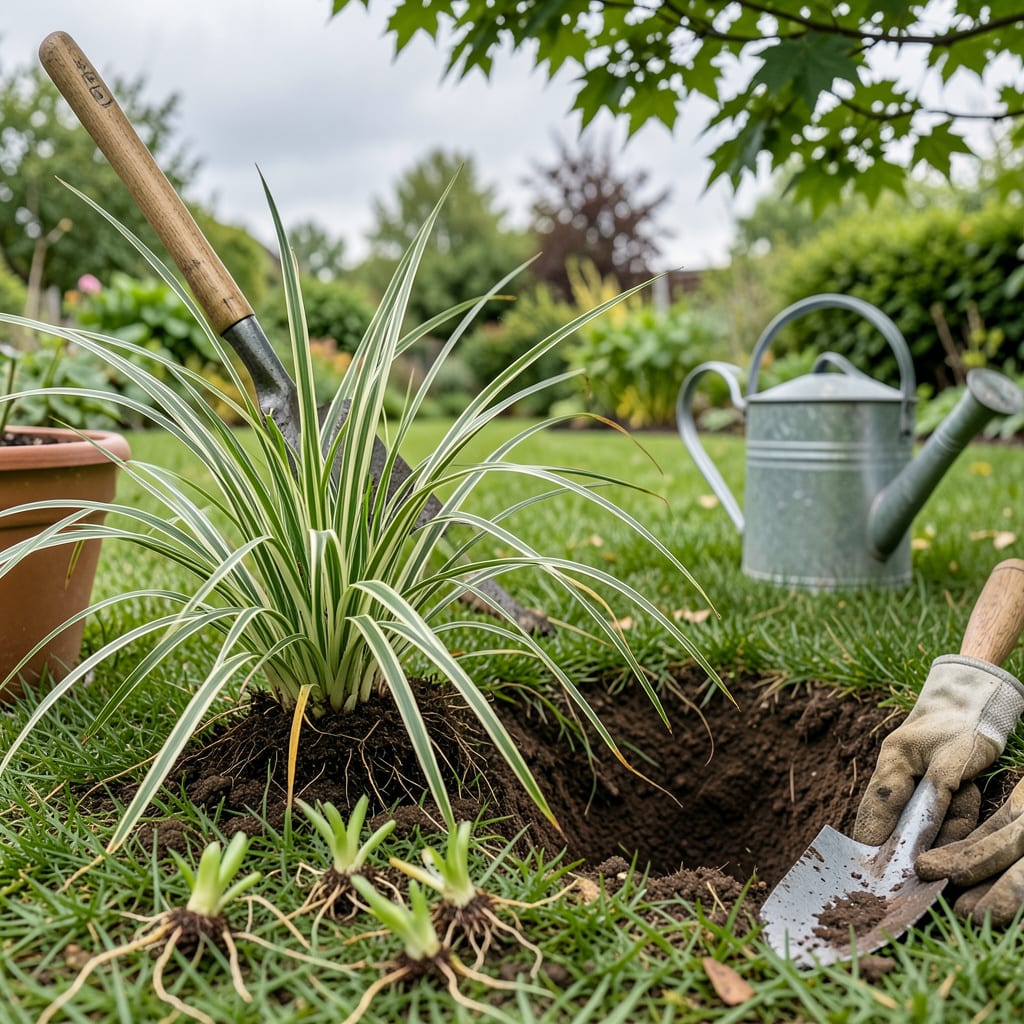
I used to think monkey grass was one of those “plant it and forget it” ground covers—until I moved a clump and watched it struggle. Turns out, this tough-as-nails plant still needs the right approach when you’re relocating it. The difference between a thriving transplant and a sad, wilted mess comes down to timing and technique.
Do it right, and you’ll get those lush green borders you want with almost zero maintenance afterward. Spring or early fall is ideal—avoid summer’s heat stress. I’ve moved dozens of clumps over the years, and the ones that took off fastest got three things: sharp cuts when dividing, immediate watering, and a little shade while they adjusted. No fancy tools required, just a trowel and 20 minutes of your time.
📚 In This Guide
This simple process will give you thriving, established clumps in no time—just follow these proven steps.
Early spring or early fall is ideal for transplanting monkey grass, when temperatures stay between 60-75°F. Avoid extreme heat or cold, which stresses plants. I always pick an overcast day or late afternoon to minimize transplant shock.
Start by watering the existing monkey grass clumps deeply 24 hours before digging. This ensures the roots are hydrated and the soil holds together during transplant. Mark your new planting locations with flags or spray paint, spacing holes 12-18 inches apart for mature growth.
Use a sharp garden spade to dig around the entire clump, going deep enough to preserve the root ball—about 4-6 inches down. Monkey grass has tough roots, so don’t worry about being too gentle. Lift the clump from the bottom to keep it intact.
For large clumps, divide them into smaller sections using your spade or a serrated knife. Each division should have at least 3-5 healthy shoots and a good portion of roots. I shake off excess soil to inspect for pests or rot before replanting—this is your chance to spot problems early.
Dig holes in the new location that are twice as wide as the root ball but no deeper. Place each division so the top of the root ball sits 1 inch above ground level—monkey grass settles slightly after planting. Backfill with native soil, pressing gently to eliminate air pockets.
Water immediately after planting until the soil is saturated and forms a small puddle. This initial deep watering helps roots make contact with the new soil. I add a 2-inch layer of mulch around (but not touching) the plants to retain moisture and suppress weeds during establishment.
Keep the soil consistently moist (but not soggy) for the first 2-3 weeks. You’ll know it’s working when you see new green shoots emerging from the center of the clumps. Avoid fertilizing immediately—wait until you see active growth, usually after 4-6 weeks.
Watch for wilting or yellowing leaves, which signal either underwatering or too much direct sun. Monkey grass is tough, but newly transplanted clumps need protection. I use shade cloth for the first week if transplanting during warmer months to reduce stress.
These practical insights will help you avoid common pitfalls and ensure your monkey grass thrives in its new location.
Timing is Everything: The 24-hour pre-watering mentioned in Step 1 isn’t just helpful—it’s critical. I’ve found that deeply hydrated roots recover from transplant shock much faster. If you’re in a hurry, at least give the plants a thorough soaking 12 hours before digging, but the full 24 hours yields noticeably better results. This extra time allows water to penetrate deep into the root zone where it’s needed most.
Root Ball Protection: When digging your clumps in Step 2, pay special attention to maintaining that 4-6 inch depth around the roots. I learned the hard way that going too shallow can sever important feeder roots, while digging too deep wastes energy and risks damaging the plant. Use your spade to create a clean, vertical cut around the perimeter—this gives you the best chance of keeping the root ball intact during the move.
Planting Depth Precision: That 1-inch above ground level recommendation in Step 3 might seem fussy, but it’s based on how monkey grass naturally establishes itself. I’ve experimented with planting at ground level and found the plants either sink too deep or struggle to spread properly. The slight elevation accounts for natural settling while giving the crown (where shoots emerge) the perfect position to thrive. Press the soil gently but firmly around the roots to eliminate air pockets that could dry out new roots.
Establishment Period Care: During those first 2-3 weeks mentioned in Step 4, consistency is more important than quantity when watering. I set up a simple drip irrigation system on a timer for my transplants—10 minutes every other day worked perfectly in my climate. The key is maintaining even moisture without creating soggy conditions. If you notice the soil drying out faster than expected, a thin layer of additional mulch (beyond the recommended 2 inches) can help, just don’t let it touch the plant stems.
Early spring or fall is ideal —when temps are mild (60–75°F) and soil is moist. Avoid summer heat or winter freezes, as stress can shock the plants. Aim for overcast days to reduce transplant shock.
Dig holes twice as wide as the root ball but no deeper than it was originally planted. Bury the crown (where roots meet foliage) just below soil level to prevent rot. Pack soil gently to eliminate air pockets.
Use a sharp spade or knife to split clumps into smaller sections (each with roots + foliage). This rejuvenates overgrown patches and gives you free plants! Water divisions well after replanting.
Brown tips often mean stress—usually from underwatering, too much sun, or rough handling. Keep soil consistently moist for 2–3 weeks post-transplant. Trim dead foliage to redirect energy to roots.
Try liriope (similar look, more drought-tolerant) or mondo grass (slower-growing, shade-loving). Both need less dividing and thrive in similar conditions. Test soil pH first for best results!
