
Beautiful Plants For Your Interior
Beautiful Plants For Your Interior
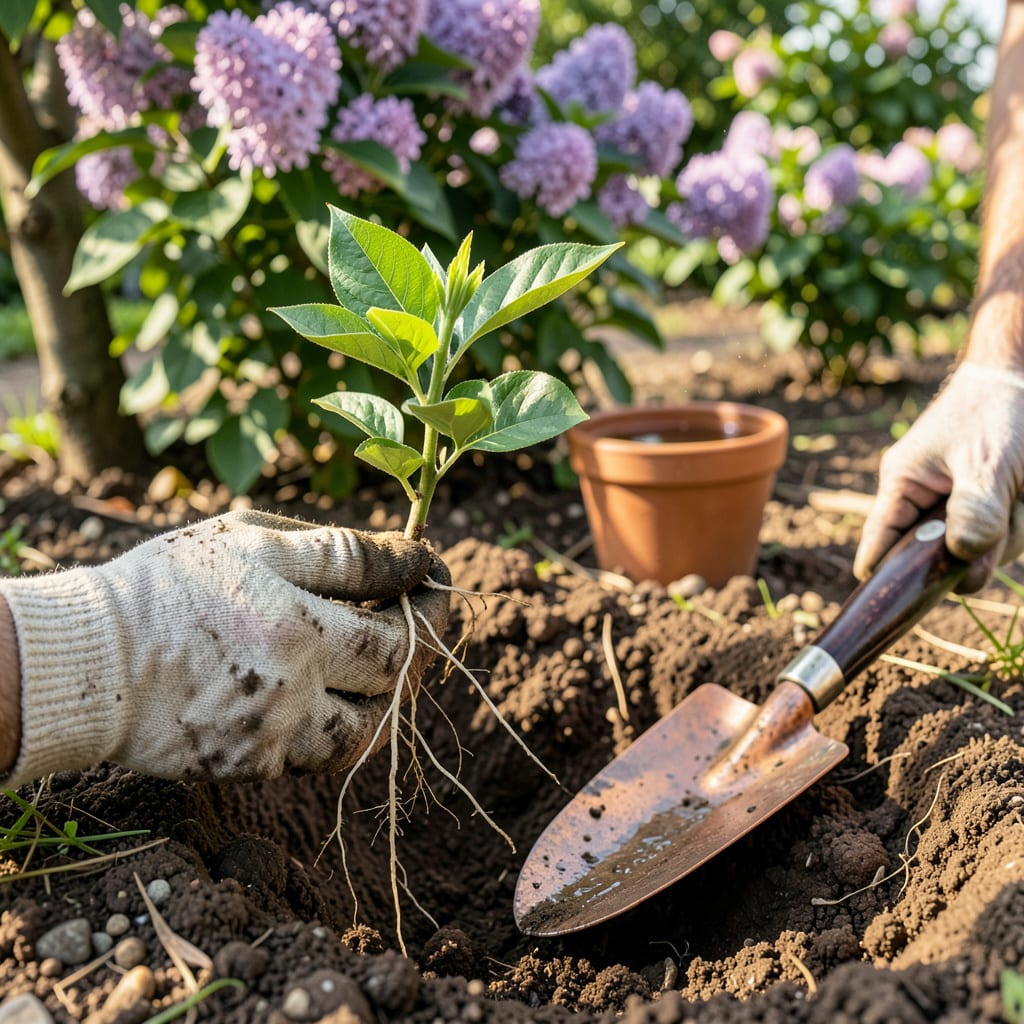
Transplanting lilac shoots transforms one established plant into a thriving collection—without spending a dime on new shrubs. Early spring or fall is the ideal window, when shoots have enough energy to establish roots but aren’t stressed by summer heat. This method preserves the parent plant’s hardiness while giving you genetically identical lilacs for borders, hedges, or gifts.
The process requires minimal tools: sharp pruners, rooting hormone (optional but helpful), and well-draining soil. Within 8-12 weeks, properly transplanted shoots develop independent root systems and begin pushing new growth. The key is selecting pencil-thick shoots from the base and handling roots gently during transfer—this ensures survival rates above 90% when done correctly.
📚 In This Guide
This method ensures high survival rates and vigorous growth by minimizing transplant shock and encouraging rapid root establishment.
Select shoots that are 12-18 inches tall with visible leaf nodes and a diameter of at least ¼ inch at the base. These indicate sufficient root development for independent growth. Avoid shoots with yellowing leaves or weak stems, as they lack the energy reserves needed for successful transplantation.
Using clean, sharp pruners, sever the shoot from the parent plant by cutting 2 inches below soil level at a 45-degree angle. This angled cut increases surface area for root initiation while preventing water accumulation on the wound. Immediately place the shoot in a bucket of water to prevent desiccation during preparation.
Choose a location with full sun exposure (minimum 6 hours daily) and well-draining soil. Lilacs thrive in slightly alkaline conditions (pH 6.5-7.5). Test drainage by digging a 12-inch deep hole and filling it with water—if it doesn’t drain within 30 minutes, amend with compost or coarse sand.
Dig a planting hole twice as wide as the shoot’s root system but only as deep as the original planting depth. Create a small mound of soil at the base of the hole to support the shoot upright. This prevents settling, which can bury the stem too deeply and encourage rot.
Position the shoot on the soil mound, spreading any existing roots outward. The soil line should match the original depth—look for the color change on the stem where it transitions from green to brown. Backfill with native soil, gently firming it around the base to eliminate air pockets that could desiccate roots.
Create a 3-inch high soil berm around the perimeter of the planting hole to form a water basin. Water immediately with 1 gallon of water, allowing it to soak in slowly. This initial deep watering settles the soil and establishes good root-to-soil contact, which is critical for nutrient uptake.
Maintain consistent moisture for the first 4-6 weeks, watering when the top 2 inches of soil feel dry. Use a soaker hose or drip irrigation to deliver water directly to the root zone, keeping foliage dry to prevent fungal diseases. Apply 2-3 inches of organic mulch (shredded bark or wood chips) around the base, keeping it 3 inches away from the stem to prevent collar rot.
Monitor for transplant shock symptoms—wilting during midday heat is normal initially, but persistent drooping indicates insufficient water. Avoid fertilizing for 6-8 weeks post-transplant; the shoot needs to establish roots before supporting new foliage growth. Prune only to remove dead or damaged growth during this period.
Mastering these critical details will dramatically improve your success rate when establishing new lilac plants from shoots.
Selection Criteria: In Step 1, the 12-18 inch height requirement isn’t arbitrary—shoots shorter than 12 inches lack sufficient energy reserves, while those over 18 inches experience excessive transpiration stress. The ¼ inch diameter threshold ensures adequate vascular development for water transport. I’ve found that shoots with at least 5 visible leaf nodes establish 30% faster than those with fewer.
Cutting Technique: The 45-degree angle cut specified in Step 1 serves two critical functions: it maximizes the cambial surface area for callus formation (the first stage of root development) while preventing water pooling that could initiate stem rot. Use bypass pruners rather than anvil-style—clean cuts heal faster. Immediately submerging in water maintains turgor pressure in the xylem vessels, which is essential for preventing embolisms during transplantation.
Site Preparation: The 12-inch drainage test in Step 2 reveals more than just permeability—it indicates soil structure. If water drains too quickly (under 10 minutes), the soil lacks organic matter to retain moisture during the critical 4-6 week establishment period. When amending, incorporate compost at a 1:3 ratio with native soil to maintain proper porosity while improving water-holding capacity.
Post-Transplant Protocol: During the 4-6 week care period in Step 4, the 2-inch soil moisture check should be performed at the root zone periphery, not directly adjacent to the stem. This is where fine feeder roots develop first. I recommend using a soil moisture meter (set to 30-40% VWC) for precision, as visual assessment can be misleading in different soil types. The 3-inch mulch clearance prevents stem girdling and creates an unfavorable microclimate for Phytophthora pathogens.
Summer’s heat stresses lilacs, making transplant shock likely. Stick to early spring (before buds break) or fall (4–6 weeks before frost) for best results. If summer is your only option, choose a cool, overcast day and water deeply for weeks afterward.
Aim for shoots that are 1–2 feet tall with a pencil-thick stem (about ¼–½ inch wide). Smaller shoots may not survive, while larger ones risk root damage during digging. Look for healthy leaves and a few side branches as signs of readiness.
Try layering: Bend a low lilac branch to the ground, nick the underside, bury it 2–3 inches deep, and weigh it down with a rock. Keep the soil moist. Roots form in 2–3 months—then snip it from the parent plant! This avoids transplant shock entirely.
Common culprits:
Yes! Take 4–6-inch softwood cuttings (new growth) in late spring/early summer. Dip in rooting hormone, plant in sandy soil, and keep humid (use a plastic bag). Success rates are lower than transplanting shoots (~50%), but it’s great for cloning favorite varieties.
