
Beautiful Plants For Your Interior
Beautiful Plants For Your Interior
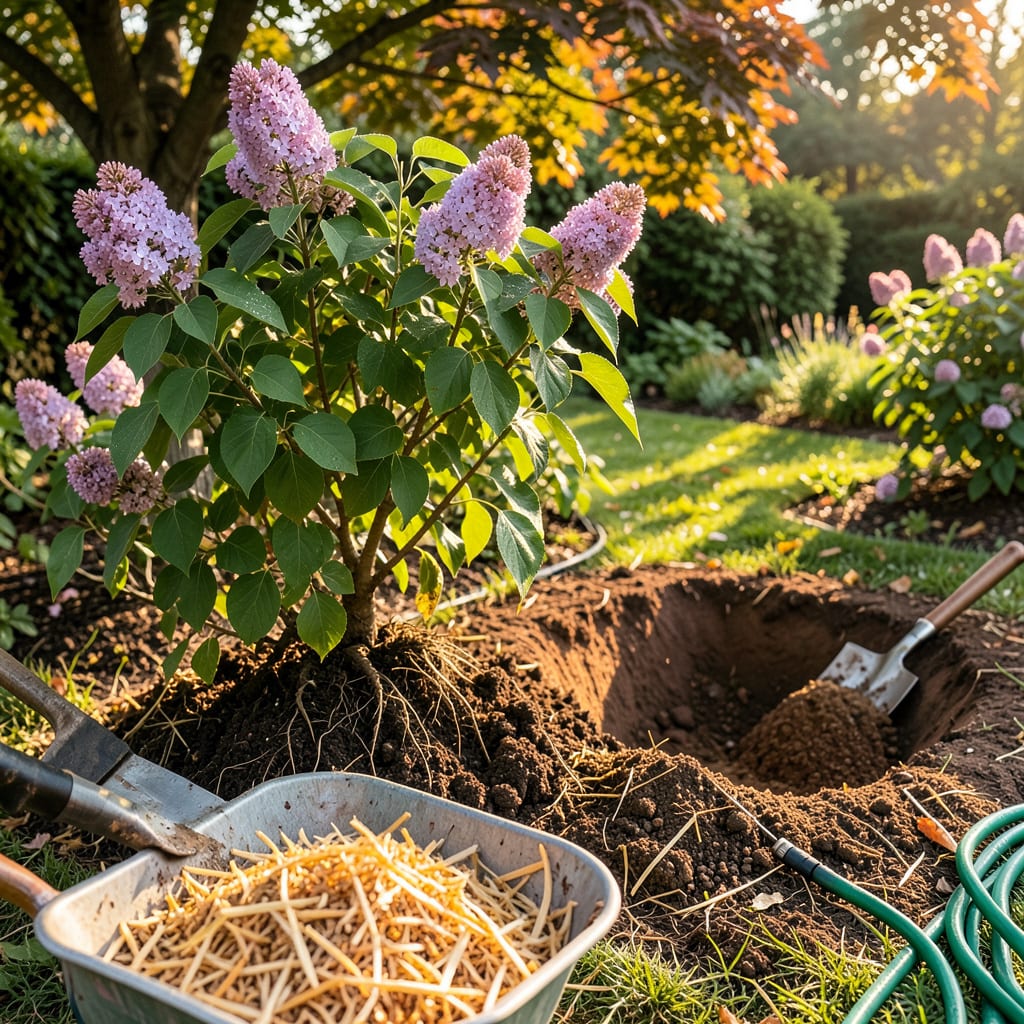
Moving a lilac bush feels like performing surgery on a living thing—because it kind of is. I’ve relocated three in my garden, and the ones that thrived followed one golden rule: timing. Do this in early spring or fall, when the plant is dormant but the soil is workable. Miss that window, and you’re fighting an uphill battle against shock and stunted growth.
The difference between a bush that sulks for years and one that explodes with blooms next season? Root care. I learned the hard way that hacking through roots with a shovel leaves you with a sad, wilting stick. Instead, we’ll dig wide, preserve that root ball like it’s made of gold, and give it a new home with room to stretch. You’ll see fresh growth within 4-6 weeks—proof you did it right.
📚 In This Guide
Timing and technique make all the difference—follow these steps and your lilacs will reward you with blooms for decades.
The ideal window for transplanting lilacs is early fall (September to early October) or early spring before buds swell. I avoid late fall because roots need 4-6 weeks to establish before ground freezes. Dig the new hole first—it should be twice as wide as the root ball and the same depth.
Test drainage by filling the hole with water. If it doesn’t drain within 30 minutes, amend the soil with compost to improve structure. Position the hole where it gets full sun (at least 6 hours daily)—lilacs bloom poorly in shade. Keep the excavated soil nearby to backfill later.
Start by tying up branches with twine to protect them and keep your workspace clear. Use a sharp spade to dig a trench around the bush, starting 12-18 inches from the trunk to preserve feeder roots. Work your way deeper, angling the spade to lift the root ball intact.
For mature bushes (over 5 years old), expect a root ball 18-24 inches wide. If roots are stubborn, slide the spade underneath to sever them cleanly—don’t yank the plant. Once free, lift the bush by the root ball (not the trunk) and place it on a tarp to drag to the new hole. Keep roots moist with damp burlap if transplanting takes longer than 30 minutes.
Set the lilac in the new hole at the same depth it grew before—look for the soil line on the trunk. Backfill with native soil, tamping gently to eliminate air pockets. Create a 3-inch-high water ring around the perimeter to direct moisture to the roots. Water immediately with 5 gallons to settle the soil and hydrate roots.
Don’t fertilize at planting—it burns stressed roots. Instead, spread 2-3 inches of mulch (wood chips or shredded bark) around the base, keeping it 3 inches away from the trunk to prevent rot. The mulch conserves moisture and insulates roots as they establish.
After transplanting, prune back one-third of the branches to reduce stress on the roots. Focus on removing dead, crossing, or weak growth. Shape the bush lightly, but avoid heavy pruning—you want to encourage regrowth, not shock the plant.
Water deeply once a week unless rain provides 1 inch of moisture. Check soil by digging 2 inches down—if it’s dry, water. Lilacs are drought-tolerant once established, but transplant shock demands consistency. Watch for wilting leaves in the first 2-3 weeks; this is normal as roots adjust. By the second year, your lilac will resume its full blooming potential.
Transplanting lilacs successfully comes down to timing, technique, and aftercare—here’s what I’ve learned from years of moving these hardy shrubs.
Timing is Everything: The 4-6 week window mentioned in Step 1 isn’t arbitrary—it’s exactly how long roots need to establish before winter. I’ve found that transplanting in early October (not late October) gives roots the perfect balance of warm soil and cool air to settle in. If you’re transplanting in spring, aim for the moment when the ground thaws but before you see any leaf buds swelling. This timing prevents the double stress of root disturbance and new growth.
Root Ball Protection: When digging up mature bushes as described in Step 2, don’t be tempted to cut corners on that 12-18 inch radius. I once tried saving time by digging closer to the trunk and lost half the feeder roots—resulting in a full year of stunted growth. For bushes over 5 years old, that 18-24 inch root ball isn’t just a suggestion; it’s the difference between a thriving plant and one that struggles to recover. Keep those roots wrapped in damp burlap if your move takes longer than 30 minutes—they dry out faster than you’d expect.
Watering Wisdom: The 5 gallons of water in Step 3 isn’t just for settling soil—it’s critical hydration for shocked roots. I create that 3-inch water ring by mounding soil into a shallow dam, which prevents runoff and ensures water soaks directly to the roots where it’s needed most. For the first two weeks, I actually water twice weekly (not just once) unless we get that full inch of rain. The soil should stay consistently moist 2 inches down—this is when a simple moisture meter becomes worth its weight in gold.
Pruning Strategy: Cutting back one-third of the branches in Step 4 might seem drastic, but it’s not just about reducing stress—it’s about redirecting energy. Focus on removing the oldest, thickest branches first, as these require the most resources to maintain. I use clean, sharp bypass pruners (not anvil pruners) to make precise cuts just above outward-facing buds. This encourages new growth in the right direction and prevents water from pooling on cut surfaces.
Early fall (September to October) is ideal—cool temps and moist soil help roots establish before winter. Spring (just after frost) works too, but avoid summer heat! Pro tip: Transplant on a cloudy day to reduce stress.
Aim for a 12–18-inch diameter root ball for small bushes (under 3 feet tall) and 24+ inches for mature plants. Use a sharp spade to cut cleanly around the drip line (outer branches). Bigger roots = less transplant shock!
It’s risky! Blooming saps energy needed for root recovery. If you must, prune off flowers first and water deeply for weeks. Expect fewer blooms next year—prioritize fall/spring moves for best results.
Wilting is normal for 1–2 weeks! Check for these fixes:
Patience! New growth means success.
Try propagation instead! In early summer, take 6-inch cuttings from new growth, dip in rooting hormone, and plant in sandy soil. Or layer a low branch (bury a section while attached). Free new plants—no heavy lifting!
