
Beautiful Plants For Your Interior
Beautiful Plants For Your Interior
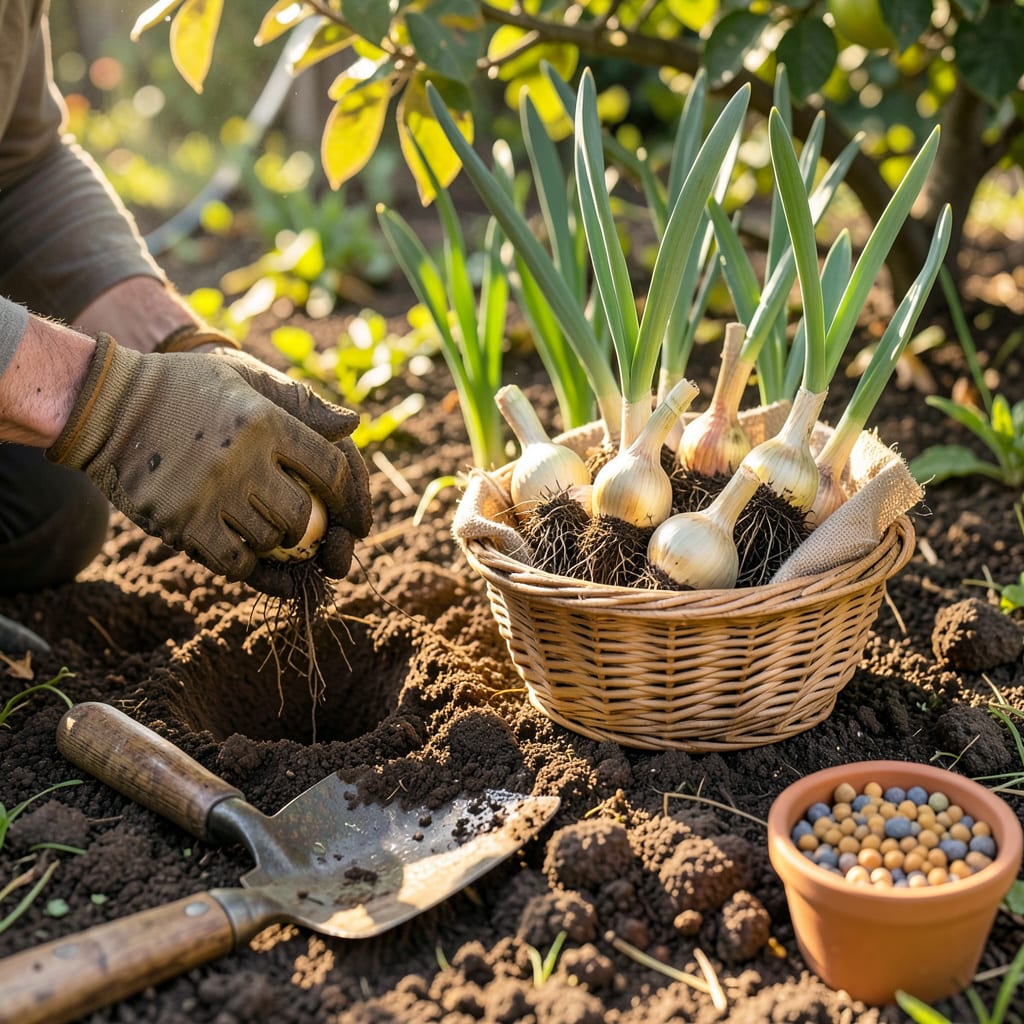
Daffodils that refuse to bloom? I’ve been there—staring at sad green leaves where golden trumpets should be. The fix might be simpler than you think: moving them to a better spot. After years of trial and error, I’ve learned that transplanting daffodils at the right time (hint: late spring to early summer) gives them a fresh start without sacrificing next year’s show.
This isn’t about digging up bulbs on a whim—it’s about timing, technique, and a little patience. You’ll need just a few tools (a trowel, compost, and a watering can) and about 30 minutes to relocate clumps that have gotten too crowded or ended up in the wrong sunlight. Do it right, and you’ll get stronger stems and more flowers than ever before. No green thumbs required.
📚 In This Guide
Moving daffodils is simpler than you think—follow this method and they’ll reward you with bigger, brighter blooms next spring.
The ideal window for moving daffodils is 6-8 weeks after they finish blooming, when the foliage has turned yellow but hasn’t completely died back. This timing (usually late spring to early summer) lets the bulbs store maximum energy while giving them time to establish before winter.
Avoid transplanting during active growth or while flowers are present—the shock disrupts next year’s bloom cycle. If you must move them in fall, do it at least 4 weeks before your first hard frost so roots can settle. The soil should be moist but not soggy when you start.
Select a location with full sun to partial shade and well-draining soil. Daffodils rot in wet ground, so avoid low spots where water pools. Dig holes 6 inches deep and 4-6 inches apart—deeper than their original depth to encourage root growth.
Mix a handful of compost into each hole to provide nutrients without over-fertilizing. I avoid fresh manure or high-nitrogen fertilizers, which can burn bulbs. The soil should feel loose and crumbly when you squeeze it—if it forms a tight ball, work in more organic matter until it breaks apart easily.
Use a garden fork to gently lift the entire clump of bulbs from the ground, starting 8 inches away from the foliage to avoid slicing through them. Shake off excess soil and separate the bulbs by hand—healthy bulbs feel firm and heavy, while soft or shriveled ones should be discarded.
Look for offsets (small bulbs attached to the mother bulb) and separate these too—they’ll take 2-3 years to bloom but are worth keeping. Trim any remaining foliage down to 2 inches to reduce moisture loss during the move. Keep the bulbs in shade and plant them within 24 hours to prevent drying out.
Place each bulb in its new hole with the pointed end facing upward. The top of the bulb should sit 2-3 inches below the soil surface—any shallower and they may not survive winter; any deeper and they’ll struggle to emerge. Backfill with soil, pressing gently to eliminate air pockets that could cause rot.
Water thoroughly after planting until the soil feels moist 4 inches down. Don’t fertilize immediately—wait until you see new growth in spring. Mark the location with stakes if you’re planting in a lawn area to avoid accidental damage while the foliage dies back naturally.
Keep the soil lightly moist for the first 2-3 weeks after transplanting, but don’t overwater—daffodil bulbs need oxygen around their roots. You’ll know they’re establishing well when you see new root growth (white tips emerging from the bulb base) if you gently dig to check.
Resist the urge to cut back foliage until it’s completely yellow and papery—this process feeds the bulb for next year’s flowers. If your area gets heavy winter rains, consider adding a 1-inch layer of mulch after the ground freezes to prevent heaving. The bulbs will naturalize over time, spreading and multiplying with each passing season.
Transplanting daffodils successfully comes down to timing and technique. Here’s what I’ve learned from years of moving these cheerful bulbs.
Timing is Everything: That 6-8 week window after blooming mentioned in Step 1 isn’t arbitrary—it’s when bulbs are storing energy for next year. I mark my calendar the moment my daffodils finish flowering so I don’t miss this critical period. If you’re transplanting in fall, that 4-week buffer before frost gives roots just enough time to establish without the stress of freezing temperatures.
Depth Matters More Than You Think: In Step 4, when you’re planting bulbs 2-3 inches deep, err on the deeper side in colder climates. I lost several bulbs one winter when I planted them just 2 inches deep in heavy clay soil—they heaved right out during freeze-thaw cycles. The extra inch makes a surprising difference in survival rates.
Handle Offsets with Care: Those tiny offsets mentioned in Step 3 that take 2-3 years to bloom? Don’t discard them! I plant mine in a separate “nursery bed” where I can baby them without disrupting my main display. Keep them consistently moist for the first year—they’re more vulnerable to drying out than mature bulbs.
The 24-Hour Rule: Step 3 emphasizes planting within 24 hours of digging, and I can’t stress this enough. I once left bulbs in a bucket overnight during a heatwave, and they shriveled beyond saving. If you can’t plant immediately, store them in a cool, dark place with slightly damp peat moss to prevent dehydration.
The ideal time is late spring to early summer (6-8 weeks after blooming), when foliage yellows but hasn’t fully died back. Avoid transplanting during active growth or dormancy (fall/winter). This gives bulbs time to store energy for next year’s blooms!
Avoid moving blooming daffodils—it stresses the plant and may kill the flower. If absolutely necessary, transplant immediately after blooming (before foliage dies) and water deeply. Expect fewer blooms next year as recovery takes priority.
Plant bulbs 2–3 times deeper than their height (typically 6–8 inches deep). Space them 4–6 inches apart. Pro tip: Add compost to the hole for extra nutrients, but avoid fertilizer—it can burn fresh roots!
Common causes:
Yes, but only short-term (1–2 weeks max). Store in a cool, dry, dark place (like a paper bag in the fridge). Never freeze—bulbs need airflow to prevent rot. Replant ASAP for best survival rates!
