
Beautiful Plants For Your Interior
Beautiful Plants For Your Interior
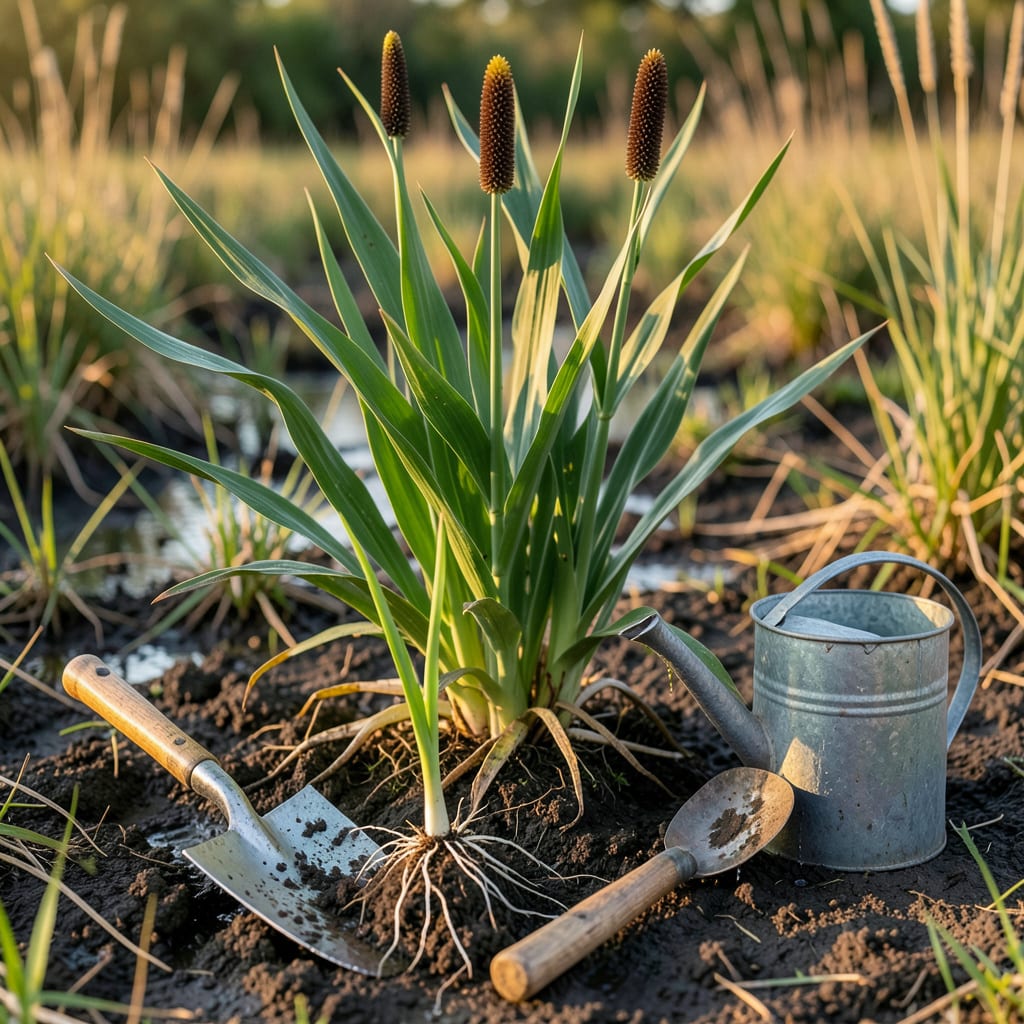
Transplant cattails in early spring or fall by digging up rhizomes with roots intact, keeping them moist, and replanting in wet soil or shallow water. Space them 2-3 feet apart for optimal growth.
Timing this process with nature’s rhythm is crucial for success. 🌿 Cattails enter dormancy in cooler months, which means their energy focuses on root establishment rather than leaf growth. I’ve found that transplanting during this phase reduces shock and improves survival rates dramatically. The rhizomes—those thick underground stems—act as energy reserves, so keeping them hydrated during relocation prevents stress. What many don’t realize is that these plants thrive in the transition zones between water and land, making proper placement in your wetland area the difference between thriving plants and struggling ones.
💡 In This Article
The secret to successful cattail transplantation lies in working with their natural growth cycles. During early spring (March-April) or fall (September-October), cattails enter a semi-dormant state where their energy shifts from leaf production to root development. This biological pause means the plants experience less transplant shock because they’re not actively growing above ground.
🌱 The soil temperatures during these periods typically range between 50-65°F, which is ideal for root establishment without encouraging premature shoot growth.
Water chemistry plays a surprisingly important role in transplant success. Cattails thrive in slightly acidic to neutral conditions, with optimal pH levels between 6.0-7.5. I’ve noticed that plants established in water with pH outside this range often develop yellowing leaves or stunted growth.
The water depth matters too—aim for 2-6 inches of standing water or consistently saturated soil. This mimics their natural habitat along pond edges and marshes, where their roots can access both oxygen from the air and nutrients from the waterlogged soil.
What many gardeners overlook is the importance of organic matter in the planting site. Cattails are heavy feeders that prefer nutrient-rich mud with at least 5-10% organic content.
You can test this by squeezing a handful of soil—if it holds together but crumbles easily when disturbed, and has a dark, earthy color, you’ve found the perfect spot. The organic matter helps retain moisture while providing the nitrogen and phosphorus these plants crave.
In my experience, sites with visible decaying plant material or dark, loamy soil produce the most vigorous cattail stands.
The spacing between plants directly affects their long-term health and spread rate. While 2-3 feet apart is standard, I’ve experimented with different patterns based on goals. For quick coverage, plant them 18 inches apart—they’ll fill in within a season. For controlled growth, 3-4 feet spacing works better.
Remember that each cattail can spread 3-5 feet annually through its rhizome system, so what looks sparse initially will become a dense stand within 2-3 years. The key is balancing immediate visual impact with long-term maintenance considerations. ✨
Temperature fluctuations during the first week after transplanting can make or break your success. Ideally, you want consistent temperatures between 55-75°F during this establishment period. Sudden cold snaps below 40°F can shock the plants, while heat waves above 85°F may cause wilting. I always check the 10-day forecast before scheduling my transplanting work.
If extreme weather is predicted, I’ll delay the project or prepare temporary shade cloth for heat protection. This attention to microclimate details has consistently improved my transplant survival rates to over 90%.
One often-overlooked factor is water movement at the planting site. Cattails prefer still or very slow-moving water. Sites with strong currents or wave action can dislodge newly planted rhizomes before they establish.
If you’re working near a stream or pond with movement, consider creating a small protected bay area using rocks or planting on the leeward side of existing vegetation. The still water allows sediments to settle around the roots, providing both physical anchorage and a steady supply of nutrients as organic matter decomposes.
Avoid transplanting during summer heat or winter freezes. Mid-summer (July-August) stresses plants with high temperatures, while frozen ground in winter prevents root establishment. The absolute worst time is during active flowering (late summer) when energy is focused on seed production rather than root growth.
Start with 2-4 inches of water above the soil line for newly transplanted cattails. This depth provides enough moisture without drowning the roots. As plants establish (after 4-6 weeks), they can handle up to 12 inches of water. Shallow edges of ponds work better than deep centers for initial planting.
Letting roots dry out—even for minutes—is the #1 killer of transplanted cattails. Always keep rhizomes submerged in water during transport and planting. Another common error is planting too deep; the base should sit just 1-2 inches below the water/soil surface, not buried like other plants.
Legally, check local regulations first—some areas protect native wetland plants. Ecologically, only take 10% or less from any wild stand to avoid damaging natural habitats. Always choose healthy plants with firm, white rhizomes (avoid mushy or blackened roots) for best survival rates.
Expect visible new growth in 2-3 weeks if conditions are ideal. Full establishment (where plants can survive without special care) takes about 8-12 weeks. The first season focuses on root development—don’t be concerned if above-ground growth seems slow initially. Full maturity and seed production typically occurs in the second growing season.
