
Beautiful Plants For Your Interior
Beautiful Plants For Your Interior
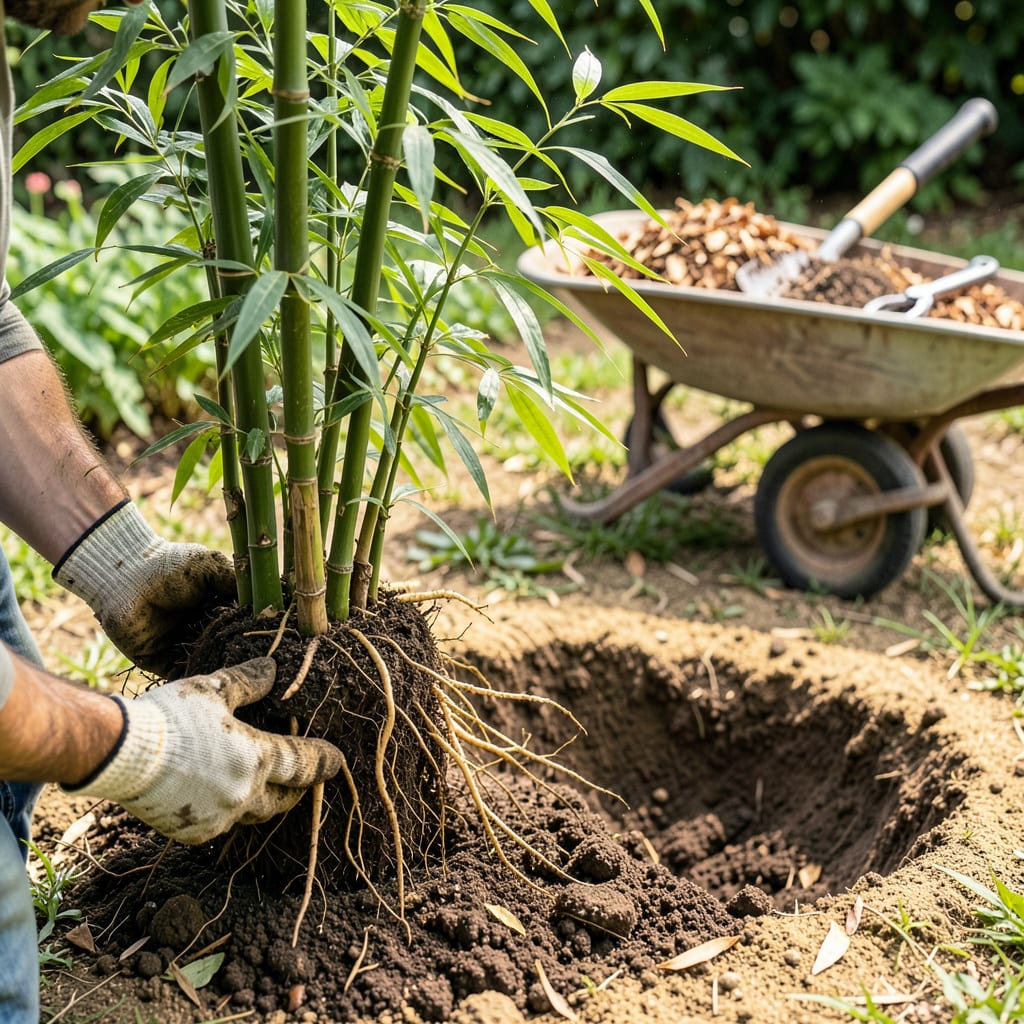
I used to think bamboo was indestructible—until I killed three plants by transplanting them at the wrong time. The secret? Timing and preparation matter more than brute strength. Early spring or late fall, when the plant is dormant but the soil is workable, gives roots the best chance to establish before summer heat or winter cold hit. I’ve moved dozens of bamboo plants since that first disaster, and now they thrive with just a little foresight.
This isn’t about digging a hole and hoping for the best. You’ll need to prep the plant (water it deeply 48 hours before moving), choose a location with enough space—because bamboo doesn’t ask permission to spread—and handle those roots like they’re the blueprint for future growth. Get it right, and you’ll have a plant that takes off faster than you expected. Get it wrong, and you’ll be replanting next season.
📚 In This Guide
Moving bamboo doesn’t have to be intimidating—here’s how I do it with minimal stress to the plant and maximum success.
Early spring or late fall works best for transplanting bamboo, when the plant is dormant but the soil is workable. I avoid summer moves because the heat stresses plants during recovery. At your new location, dig a hole twice as wide as the root ball but only as deep—bamboo roots spread horizontally more than they grow downward.
Test the soil drainage by filling the hole with water. If it drains within 30 minutes, you’re good. If water pools, mix in compost or sand to improve drainage. Bamboo hates soggy roots, so this step prevents rot later. Position the hole where the plant will get partial shade for the first week after moving—this reduces transplant shock.
Start by watering the bamboo thoroughly 24 hours before digging. This hydrates the roots and helps the soil hold together during the move. Use a sharp spade to cut a circle around the plant, starting about 12 inches out from the main clump for small varieties or 24 inches for larger running types.
Angle the spade inward as you dig to create a cone shape—this captures more roots. For running bamboo, you’ll hit thick rhizomes; cut through them cleanly with pruners. Lift the entire clump by sliding the spade underneath, then transfer it immediately to a tarp or wheelbarrow. Don’t let roots dry out, even for a few minutes.
Place the bamboo in the new hole at the same depth it grew before—look for the soil line on the stems as your guide. Backfill with native soil, gently firming it around the roots to eliminate air pockets. I create a 3-inch-high water ring around the perimeter to help direct moisture to the roots during the first few waterings.
Water deeply immediately after planting until the soil is saturated and you see moisture at the base. The plant will likely wilt the first day—that’s normal. What matters is that the roots stay moist. For the first week, water every 2-3 days unless rain does it for you. Avoid fertilizing now; wait until you see new growth.
Check the plant daily for the first 10-14 days. Yellowing leaves are normal as the bamboo adjusts, but blackened stems mean trouble. If you notice dieback, prune those canes to the ground—they won’t recover, and removing them lets the plant focus energy on healthy growth.
Mulch with 2-3 inches of organic material to retain moisture and regulate soil temperature. Keep the mulch 3 inches away from the stems to prevent rot. For running bamboo, this is also the time to install root barriers if you want to contain spread. Most varieties take 4-6 weeks to fully establish in their new location.
Transplanting bamboo successfully comes down to timing and technique—here’s what I’ve learned from years of moving these resilient plants.
Timing is Everything: The instructions mention early spring or late fall as ideal, and I can’t stress this enough. I once tried moving bamboo in late summer during a heatwave, and even with extra watering, the plant struggled for weeks. That 24-hour pre-watering in Step 2 makes all the difference—hydrated roots handle the move much better. Don’t skip this preparation step, even if you’re in a hurry.
Root Protection Strategy: When digging up bamboo in Step 2, those 12-inch and 24-inch measurements aren’t arbitrary. I used to dig closer to save effort, but smaller root balls mean more transplant shock. The cone shape mentioned is brilliant—it captures the spreading roots that bamboo relies on. For running varieties, clean cuts through rhizomes (using sharp pruners) prevent ragged edges that could invite disease.
Watering Wisdom: That 3-inch water ring in Step 3 might seem excessive, but it’s a game-changer for directing moisture exactly where it’s needed. I’ve found that newly transplanted bamboo can drink up to 5 gallons of water in that first deep watering—don’t be shy. The every 2-3 days schedule for the first week is perfect, but check soil moisture daily. Stick your finger 2 inches into the soil; if it’s dry, water even if it hasn’t been 48 hours yet.
Establishment Period Insight: During those critical first 10-14 days mentioned in Step 4, resist the urge to fertilize even if leaves yellow. That’s normal adjustment, not nutrient deficiency. The 2-3 inches of mulch is ideal, but here’s the trick: use shredded bark rather than whole chips. It breaks down slower and doesn’t compact, allowing better air circulation to those recovering roots.
The ideal time is early spring (March–April) or late fall (September–October) when bamboo is dormant. Avoid extreme heat or frost—mild weather reduces transplant shock and helps roots establish faster. For tropical climates, aim for the start of the rainy season.
Both work! Pots are great for controlling invasive running bamboo (use a root barrier). Ground planting suits clumping bamboo in spacious areas. If transplanting from a pot to soil, harden off the plant for 1–2 weeks first by placing it outdoors part-time.
Yellowing or drooping is often transplant shock. Overwatering, poor drainage, or sunburn can worsen it. Fix it by:
Expect 3–12 months for full establishment. Clumping bamboo roots faster (3–6 months), while running bamboo may take a year. Signs of success: new shoots in spring or steady green leaves. Avoid fertilizing for the first 4–6 weeks—let roots adapt naturally.
Try division or layering instead!
