
Beautiful Plants For Your Interior
Beautiful Plants For Your Interior
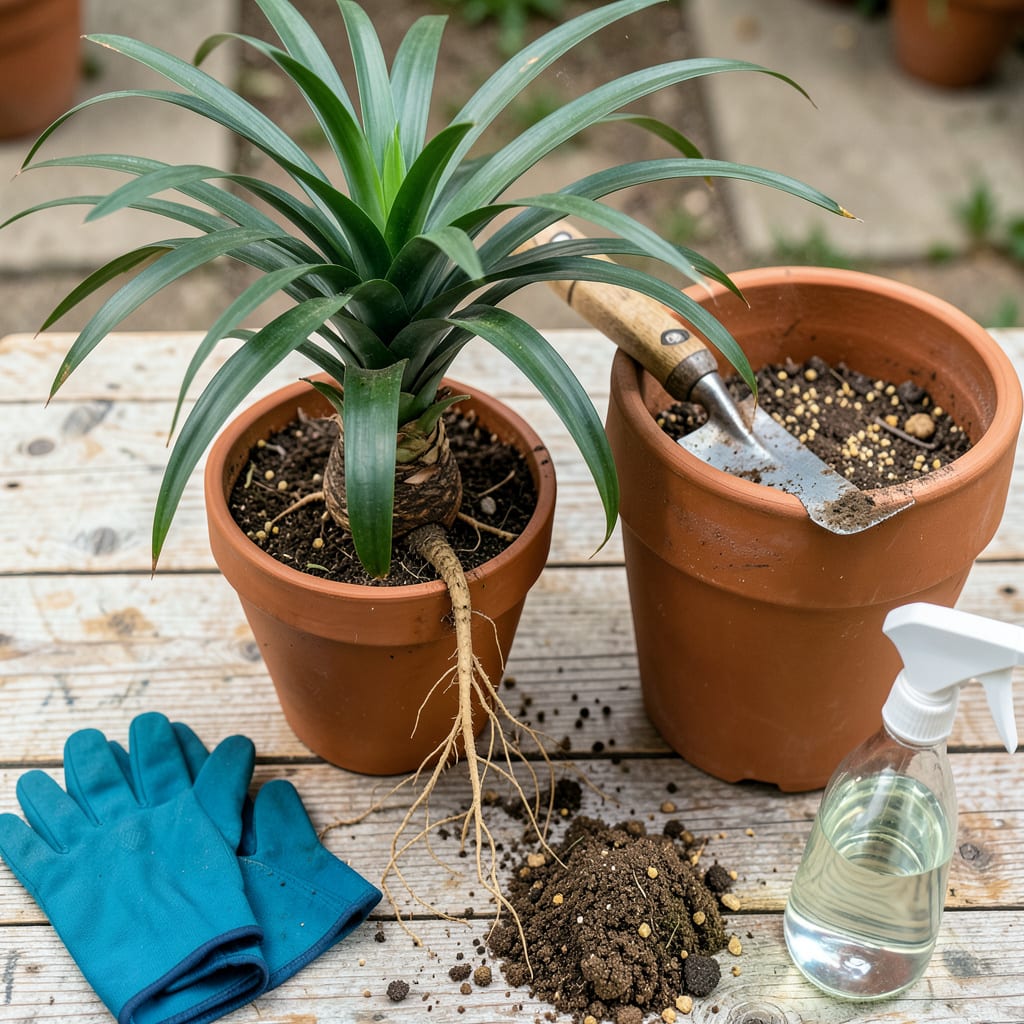
That first time I transplanted my ponytail palm, I held my breath the whole time. These resilient plants can handle a lot—but move them wrong, and you’ll see the stress in drooping fronds for weeks. The good news? With the right timing and technique, your Beaucarnea won’t just survive the transition—it’ll thrive in its new home.
Key details make all the difference: a pot just 2-3 inches wider than the current one, soil that drains faster than you’d expect, and a gentle touch with those thick, water-storing roots. Do it right, and you’ll watch new growth emerge within 4-6 weeks—no wilting, no setbacks. Here’s exactly how to pull it off without the guesswork.
📚 In This Guide
This process is simpler than it seems—just follow these steps and your plant will thrive in its new home.
Choose a pot that’s 2-4 inches wider than the current one. Ponytail palms grow slowly, so don’t jump to a massive container. I use unglazed terra cotta because it allows the soil to dry more evenly between waterings, which prevents root rot.
Fill the new pot one-third full with fresh, well-draining cactus/succulent mix. Don’t use regular potting soil—it holds too much moisture. Tap the pot gently to settle the mix, but don’t compact it. The roots need air pockets to breathe.
Water your ponytail palm 2-3 days before transplanting. This makes the root ball hold together better. Turn the pot sideways, then tap the rim against a table edge while supporting the base of the plant. If it resists, run a knife around the inner edge to loosen it.
Grasp the base of the trunk and lift gently. You’ll feel when the root ball releases. Don’t pull by the leaves—they’re fragile and won’t regrow if damaged. If roots are circling, gently tease them outward with your fingers.
Place the root ball in the new pot so the base of the trunk sits 1 inch below the rim. This prevents water from pooling around the stem. Add or remove soil underneath until the height is right. The top of the root ball should be level with where it was in the old pot.
Fill around the sides with fresh mix, pressing lightly to eliminate air pockets. Leave ½ inch of space at the top for watering. Don’t bury the trunk deeper than before—that can cause stem rot. Water lightly to settle the soil, but don’t soak it.
Move the plant to bright, indirect light for 1-2 weeks. Avoid direct sun immediately after transplanting—it stresses the plant. Don’t water again until the top 2 inches of soil feel dry. Overwatering is the fastest way to kill a transplanted ponytail palm.
Watch for new growth in 4-6 weeks—that’s your sign the transplant was successful. If leaves yellow, you’re either overwatering or the plant isn’t getting enough light. Adjust accordingly. The first month is critical, but after that, your palm will be stronger than before.
Transplanting doesn’t have to be stressful—these key insights will help your plant transition smoothly.
Pre-Watering Timing: The 2-3 days of pre-watering in Step 2 is critical for success. This window allows the root ball to become firm enough to hold together during removal while avoiding waterlogged soil that could cause stress. I’ve found that watering exactly 48 hours before transplanting gives the best balance of moisture and structural integrity.
Root Handling Technique: When you reach Step 2 and encounter circling roots, resist the urge to pull them straight. Instead, gently massage them outward with your fingertips, working in small sections. This encourages the roots to grow outward in their new home rather than continuing their circular pattern. Damaged roots can lead to transplant shock, so patience here prevents problems later.
Positioning Precision: The 1-inch below-the-rim placement in Step 3 isn’t arbitrary—it’s your insurance against stem rot. I use a ruler to measure this distance precisely. After positioning, rotate the pot to check the height from all angles. Even a slight tilt can cause water to pool on one side, so take your time getting this perfect before adding soil.
Aftercare Light Management: During the 1-2 week recovery period in Step 4, I recommend using a sheer curtain if your bright indirect light location gets any direct sun. The goal is consistent, gentle light that won’t stress the plant while it establishes new roots. A north-facing window works beautifully for this transition phase.
Transplant every 2–3 years or when roots outgrow the pot (visible through drainage holes). Young plants may need repotting yearly, while mature ones slow down. Spring or early summer is ideal—avoid winter dormancy. Overpotting can cause root rot, so size up just 1–2 inches in diameter.
Avoid winter transplanting! Cold stress slows root recovery, risking shock. If absolutely necessary, keep the plant in warm, bright light (65–75°F) and water sparingly. Wait for active growth (spring/summer) for best results—your palm will thank you with faster bounce-back!
Use a fast-draining mix: 60% cactus/succulent soil + 40% perlite/pumice. Avoid dense, moisture-retentive soils (like peat-heavy mixes). For DIY, blend equal parts sand, coarse bark, and regular potting soil. Pro tip: Add a handful of charcoal to prevent rot!
My ponytail palm looks droopy after transplanting—help!
Drooping is normal for 1–2 weeks post-transplant (root adjustment period). Check for overwatering (soggy soil = root rot risk) or underwatering (wrinkled trunk). Keep it in bright, indirect light and mist leaves lightly. If wilting persists beyond 3 weeks, inspect roots for damage.
Yes! If your palm has offsets (pups), gently separate them with a sterile knife. Let cuts callus (2–3 days), then pot in dry cactus mix. Warning: Only propagate healthy plants—stressed palms may not recover. Pups take 3–6 months to root; keep soil barely moist.
