
Beautiful Plants For Your Interior
Beautiful Plants For Your Interior
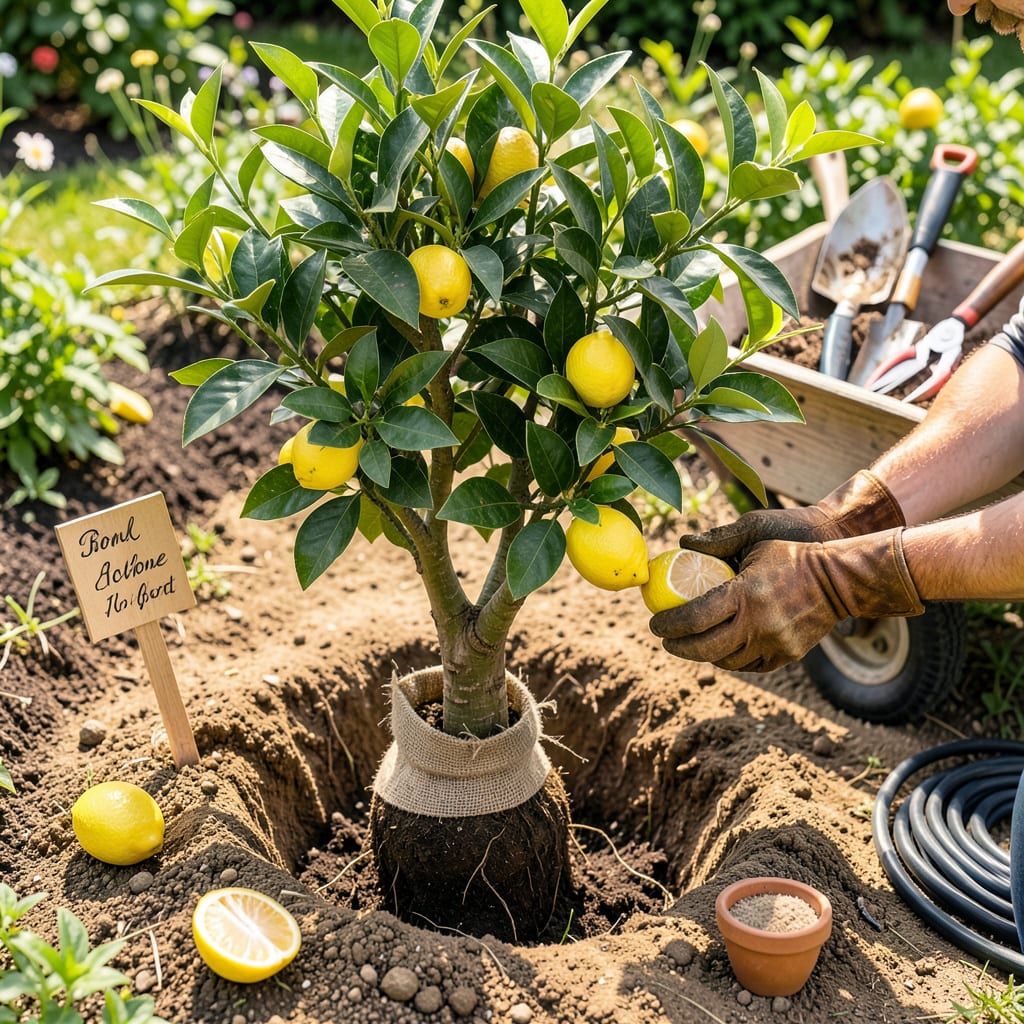
Moving a lemon tree feels like performing surgery—except the patient can’t tell you if you’re doing it right. I’ve transplanted three citrus trees in my backyard, and the one that thrived? I moved it in early spring, just as new growth started. Timing matters more than you think, and the difference between a tree that sulks for months versus one that takes off in weeks often comes down to when and how you dig it up.
The secret isn’t just digging a big hole—it’s about respecting the roots. I learned the hard way that citrus roots hate being exposed to air for more than a few minutes. You’ll need sharp tools, the right soil mix, and a watering plan for those critical first 72 hours. Do this correctly, and your tree will reward you with new leaves within weeks, not months.
📚 In This Guide
Moving a lemon tree doesn’t have to be stressful—follow this method for minimal shock and maximum success.
Transplant in early spring or early fall when temperatures stay between 60-80°F. Avoid summer heat or winter cold, as extreme temperatures stress the tree. The new spot should get 8+ hours of direct sunlight daily and have well-draining soil—lemon trees drown in soggy ground.
Test drainage by digging a 12-inch deep hole and filling it with water. If it doesn’t drain within 2 hours, pick another location or amend the soil with compost. I always check for overhead obstructions too—low branches or roof edges can block sunlight as the tree grows.
Water the lemon tree deeply 2-3 days before transplanting—moist roots handle the move better. On transplant day, prune away any dead or crossing branches to reduce stress. Dig a new hole twice as wide as the root ball but only as deep. The sides should slope gently to encourage root spread.
Mix the removed soil with 20-30% compost to give roots a nutrient boost. If your soil is heavy clay, add 1 part perlite or sand to improve drainage. I line the hole’s sides with a thin layer of this mix before placing the tree—it helps roots transition smoothly into native soil.
Use a sharp spade to dig around the tree, starting 12-18 inches from the trunk to preserve feeder roots. Slide the spade underneath to lift the root ball intact. For large trees, wrap the root ball in burlap to hold it together during the move—this prevents soil from crumbling away.
Place the tree in the new hole at the same depth it grew before (look for the soil line on the trunk). Backfill with your amended soil, tamping lightly to remove air pockets. Water immediately with 2-3 gallons to settle the soil, then add more mix if needed to maintain the original depth.
Water the tree every 2-3 days for the first 2 weeks, then taper to weekly deep watering. Keep the soil moist but not soggy—stick your finger 2 inches deep to check. Mulch with 2-3 inches of wood chips (keep mulch 6 inches away from the trunk to prevent rot).
Avoid fertilizing for 4-6 weeks—new roots are sensitive. Watch for wilting or yellowing leaves, which signal shock or overwatering. I stake young trees for the first year if they’re in windy spots, using soft ties that won’t cut into the bark.
Transplanting a lemon tree doesn’t have to be intimidating—these practical insights will help you avoid common pitfalls and set your tree up for success.
Timing is Everything: The early spring or early fall window mentioned in Step 1 isn’t just a suggestion—it’s critical. I learned this the hard way after losing a young tree to summer transplant shock. Those 60-80°F temperatures create the perfect balance where roots can establish without heat stress or frost damage. If you must transplant outside this window, provide temporary shade cloth for summer moves or frost protection for winter transitions.
Root Ball Protection: When digging around the tree in Step 3, starting 12-18 inches from the trunk might seem excessive, but this is where the most important feeder roots live. I use a sharp spade and make clean cuts rather than tearing roots. For larger trees, don’t skip the burlap wrap—it keeps the root ball intact during the move and prevents soil from falling away. This single step can mean the difference between a tree that thrives and one that struggles for years.
Watering Wisdom: The 2-3 day watering schedule in Step 4 isn’t arbitrary. Newly transplanted lemon trees need consistent moisture to establish roots, but soggy soil is just as dangerous as dry soil. Here’s what nobody tells you—stick your finger 2 inches deep as directed, but also watch the leaves. If they start to cup or curl slightly, that’s your tree telling you it needs water before the scheduled day. Conversely, if leaves turn yellow, you’re overwatering despite your best intentions.
Soil Transition Trick: When amending soil with 20-30% compost in Step 2, don’t just mix it all together. I create layers—a thin compost-rich layer at the bottom of the hole, then the amended backfill mix. This encourages roots to grow downward for stability while still getting nutrients. If your native soil is very poor, you can go up to 40% compost, but never exceed this or you’ll create a “pot effect” where roots circle instead of spreading into native soil.
Early spring or fall is ideal —when temperatures are mild (60–80°F) and the tree is dormant or semi-dormant. Avoid extreme heat or frost, as stress can shock the roots. In warm climates, late winter works too, but water deeply after transplanting to help recovery.
You can transplant mature trees (up to 10–15 feet tall), but it’s tricky! Root prune 3–6 months beforehand to encourage new feeder roots. Use a large root ball (at least 12–18 inches wide per inch of trunk diameter) and stake the tree for support post-move.
Pre-soak the root ball in water for 1–2 hours before moving, and trim damaged roots cleanly. After transplanting, apply a mycorrhizal fungus (like MycoApply) to boost root growth and mulch heavily (2–3 inches) to retain moisture. Avoid fertilizing for 4–6 weeks!
Yes—but lightly! Remove 20–30% of the canopy to balance root loss and reduce water demand. Focus on dead, crossing, or overly dense branches. Wait until after the tree shows new growth (6–8 weeks) to prune further.
Harden off the tree by gradually exposing it to outdoor conditions over 7–10 days. Choose a sunny, well-draining spot and amend the soil with compost. Gently loosen pot-bound roots before planting, and water deeply daily for the first week.
