
Beautiful Plants For Your Interior
Beautiful Plants For Your Interior
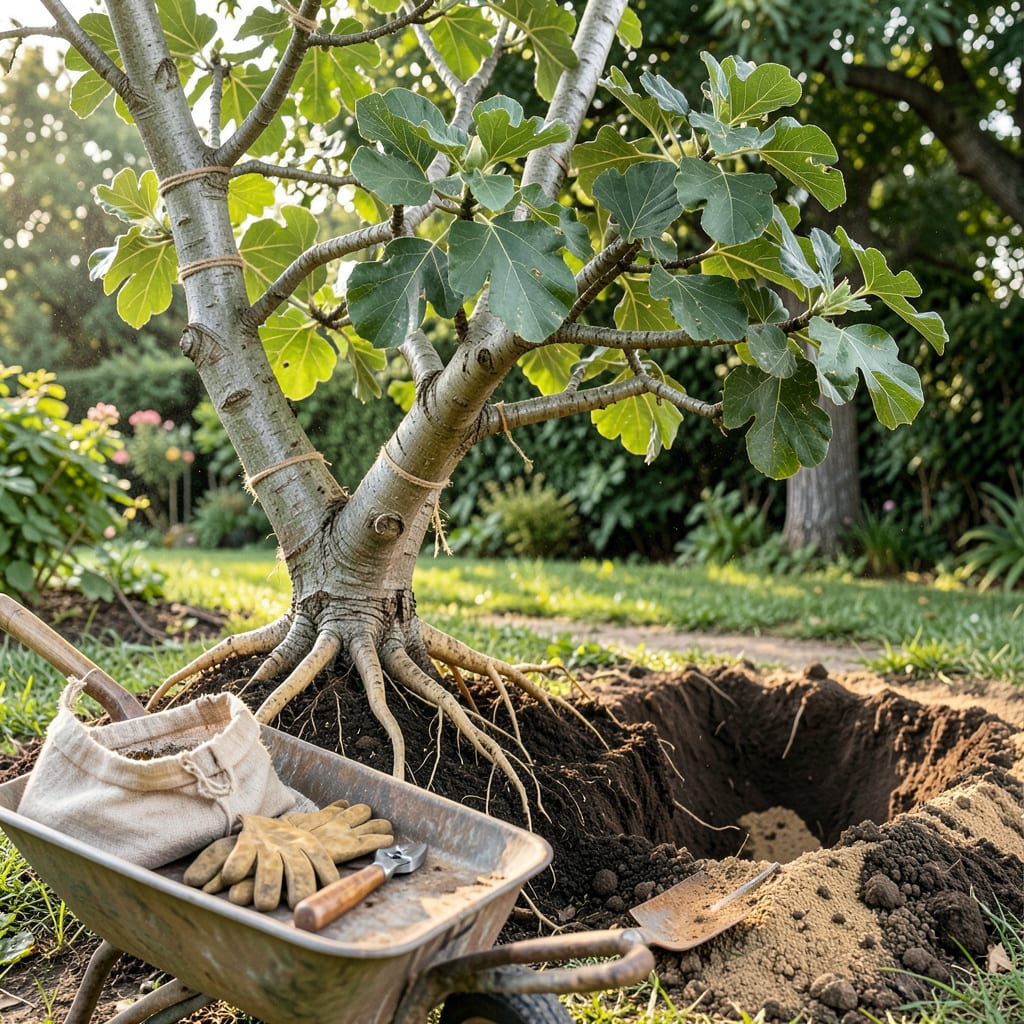
Moving a fig tree feels like performing surgery on a living thing—because it is. I’ve transplanted three of mine over the years, and the difference between a thriving tree and one that sulks for a season comes down to timing and technique. Do it right in late winter while the tree is still dormant, and you’ll see new growth by spring. Get the timing wrong, and you’re playing catch-up all year.
The secret isn’t just digging a hole and hoping for the best. It’s about keeping that root ball intact, giving the tree a sunny, well-draining new home, and babying it with consistent water for the first month. My oldest fig barely blinked after its move—yours won’t either if you follow these steps. No green thumb required, just a little patience and the right approach.
📚 In This Guide
Moving a fig tree doesn’t have to be stressful—follow this method for strong roots and minimal shock.
Transplant in late winter or early spring while the tree is still dormant but the ground isn’t frozen. This timing gives roots a full growing season to establish before summer heat. I always pick an overcast day to reduce stress on the plant.
Dig the new hole twice as wide as the root ball but no deeper than the tree currently sits. The loose soil around the edges helps new roots spread easily. Mix a shovelful of compost into the removed soil—figs love rich, well-draining ground.
Check the drainage by filling the hole with water. If it doesn’t drain within 30 minutes, you’ll need to amend the soil with sand or plant in a raised mound. Standing water will rot fig roots faster than anything else.
Start by tying the branches loosely with soft twine to protect them during the move. Then, using a sharp spade, dig a trench around the tree about 12 inches out from the trunk for every inch of trunk diameter. This preserves the critical root zone.
Work your way under the root ball, cutting any stubborn roots cleanly with pruners. Lift the tree by the root ball—not the trunk—to avoid tearing bark. For large trees, slide a tarp under the roots to drag it without damaging the feeder roots.
Keep the root ball intact as much as possible. If soil falls away, don’t panic—just transplant immediately and water thoroughly. The key is minimizing the time roots spend exposed to air, which dries them out fast.
Set the tree in the new hole so it sits at the exact same depth it was before. You should see the soil line on the trunk—burying this causes rot, while planting too high dries roots. Have someone hold the tree straight while you backfill with native soil.
Fill the hole halfway, then water deeply to settle the soil and eliminate air pockets. Finish filling, creating a slight berm around the edge to hold water. Don’t tamp the soil down—fig roots need loose earth to spread into.
Stake the tree only if it’s top-heavy or in a windy spot. Use soft tree ties that won’t cut into the bark, and remove them after one growing season to prevent girdling.
Give the tree a slow, deep soaking immediately after planting—10-15 gallons for a mature tree. The water should penetrate 12-18 inches deep to reach the entire root zone. I use a soaker hose on low to avoid runoff.
Apply 3-4 inches of organic mulch (wood chips or straw) in a 3-foot diameter around the tree, keeping it 6 inches away from the trunk. This conserves moisture and regulates soil temperature while preventing weed competition.
Check soil moisture daily for the first week, then weekly. Water when the top 2 inches feel dry—figs hate soggy roots but need consistent moisture during establishment. You’ll see new growth in 4-6 weeks if all goes well.
Remove any broken branches immediately after transplanting, but wait until new growth appears to do major pruning. This tells you the tree has recovered enough to handle the stress. I typically remove about one-third of the canopy to balance the reduced root system.
Watch for wilting leaves in the first month—this is normal transplant shock. But if leaves stay wilted after 48 hours of proper watering, the roots may need oxygen. Gently loosen the soil around the base with a fork.
Feed lightly with balanced fertilizer after 6 weeks, but don’t overdo it. Too much nitrogen produces weak growth that’s vulnerable to pests. By the second season, your fig should be fully established and producing fruit normally.
Transplanting a fig tree successfully comes down to timing and technique—here’s what I’ve learned from years of moving trees without stress.
Timing Secret: The late winter or early spring window mentioned in Step 1 isn’t just a suggestion—it’s critical. I once tried transplanting in late summer and lost half my tree to heat stress. Dormant season transplanting gives roots time to establish before summer demands water. An overcast day makes an even bigger difference than you’d think, reducing moisture loss through leaves during the move.
Root Ball Protection: When digging in Step 2, that 12-inch rule per inch of trunk diameter isn’t arbitrary. I measure this carefully now after losing feeder roots on a tree where I cut corners. Use a sharp spade—dull tools tear roots instead of cutting cleanly. For large trees, a tarp isn’t optional; dragging without one shreds the delicate roots you’re trying to preserve.
Watering Wisdom: The 10-15 gallons immediately after planting in Step 4 might seem like overkill, but I’ve seen the difference. Use a soaker hose on low to avoid runoff and ensure water reaches that 12-18 inch depth. Check by digging a small hole with a trowel—if the bottom isn’t moist, keep watering. This deep soak prevents the shallow rooting that causes long-term instability.
Recovery Monitoring: Those first 48 hours after transplanting are telling. When leaves wilt as mentioned in Step 5, don’t panic—this is normal transplant shock. But if they stay wilted after proper watering, act fast. I gently aerate the soil with a fork in a 12-inch radius around the trunk, being careful not to damage new roots. This simple step has saved several of my trees from suffocation.
Early spring (before new growth starts) or late fall (after leaf drop) is ideal. Avoid transplanting during extreme heat or freezing temps—figs thrive when soil is workable and stress is minimal. In warm climates (USDA zones 8+), winter transplanting works too!
Aim for a root ball 12–18 inches wide per inch of trunk diameter. For example, a 2-inch trunk needs a 24–36-inch diameter root ball. Use a sharp spade to cut cleanly around the dripline (outer canopy edge) to preserve feeder roots.
Yes, but with extra care! Water the pot thoroughly 1–2 days before moving, transplant on a cloudy day, and prune 30% of the foliage to reduce stress. Keep soil moist (not soggy) for 2–3 weeks post-transplant to help recovery.
Wilting is normal for 1–2 weeks, but if it persists:
For container-grown figs, keep the root ball intact. For field-dug trees, bare-root transplanting works if done in dormancy (winter). Bare-root trees establish faster but require immediate planting and extra moisture. Soiled root balls reduce shock but are heavier to move.
