
Beautiful Plants For Your Interior
Beautiful Plants For Your Interior
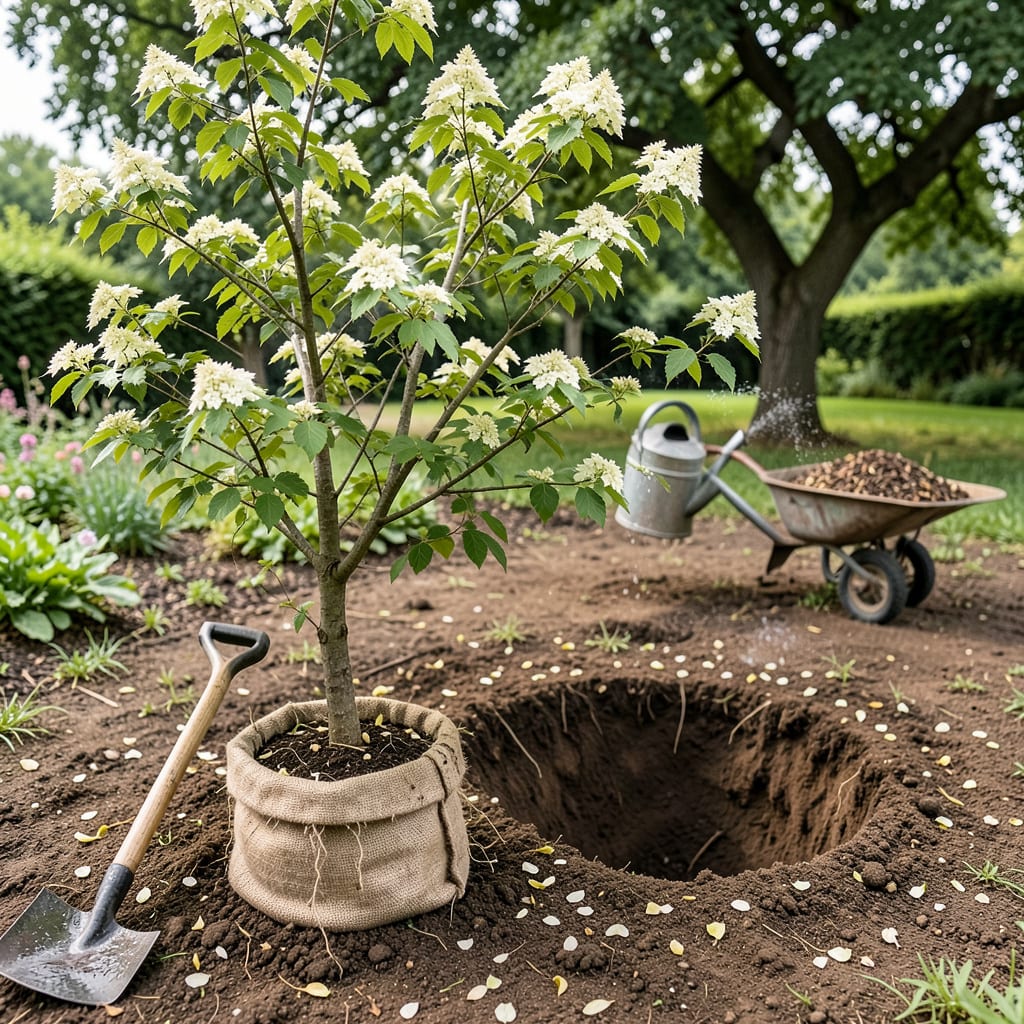
Moving a dogwood tree feels like performing surgery on your landscape. I’ve relocated three in my yard—two thrived, one struggled—and the difference came down to timing and root care. The ideal window is late fall or early spring, when the tree is dormant but the ground isn’t frozen. Get this right, and your dogwood will reward you with blooms the very next season.
This isn’t about brute strength—it’s about strategy. A sharp spade, burlap to protect the roots, and a well-prepared new home with partial shade and acidic soil make all the difference. The real secret? Watering deeply 3 days before digging so the root ball holds together like a firm cake. Do it right, and your tree won’t even flinch at the move.
📚 In This Guide
Moving a dogwood tree doesn’t have to be stressful—follow my tested approach for minimal shock and maximum success.
Early spring or late fall (when the tree is dormant) is ideal for transplanting. I always start by preparing the new planting hole first—this minimizes the time the roots are exposed. Dig a hole that’s twice as wide as the root ball but no deeper than the current planting depth.
Mix the excavated soil with equal parts compost to create nutrient-rich backfill. Test the hole’s depth by placing a board across it—your dogwood’s root flare (where roots meet trunk) should sit 1-2 inches above ground level when placed in the hole. This prevents settling that could bury the trunk later.
Start by watering the soil around the dogwood thoroughly 24 hours before transplanting—this helps the root ball hold together. Using a sharp spade, dig a trench around the tree following the drip line (outer edge of branches). Work your way inward, angling the spade to create a clean root ball.
The root ball should be 12-18 inches in diameter for every inch of trunk diameter. For a 2-inch trunk, that’s a 24-36 inch wide root ball. Wrap the root ball in burlap immediately after lifting to prevent soil from crumbling—this is crucial for young trees under 6 feet tall.
Move the tree to its new location right away—don’t let roots dry out. Place the tree in the prepared hole, ensuring the root flare remains visible above ground. Rotate the tree until its best side faces your preferred viewing direction. Begin backfilling with your soil-compost mix, gently firming as you go to eliminate air pockets.
Create a 3-inch high watering berm around the edge of the planting hole to help direct water to the roots. Water deeply with 5 gallons of water immediately after planting, then add a 2-3 inch layer of mulch (keeping it 3 inches away from the trunk) to retain moisture.
Water your newly transplanted dogwood 2-3 times weekly for the first month, then gradually reduce to weekly watering. The soil should feel moist 4-6 inches deep at each watering. Avoid fertilizing during the first growing season—let the tree focus on root establishment.
Stake the tree only if it’s in a windy location or the root ball is unstable. Use two stakes placed opposite each other with soft tree ties, allowing slight movement for trunk strength development. Remove stakes after 6-12 months to prevent girdling.
Watch for signs of transplant shock like wilted leaves or leaf drop—this is normal for the first few weeks. If you see yellowing leaves after a month, test soil moisture—dogwoods hate both drought and soggy roots. Prune only to remove dead or damaged branches during the first year.
Apply a balanced, slow-release fertilizer in early spring of the second year. I use a 10-10-10 formula at half strength, sprinkled around the drip line. Your dogwood should show 6-12 inches of new growth annually once established, indicating it has successfully adapted to its new home.
Transplanting a tree successfully comes down to careful preparation and avoiding common pitfalls. Here’s what I’ve learned from years of moving dogwoods with great success.
Timing is Everything: The 24-hour pre-transplant watering in Step 2 isn’t just helpful—it’s essential. I’ve found that thoroughly saturated soil creates a cohesive root ball that’s much easier to handle and less likely to crumble during the move. Don’t rush this step; the moisture needs time to penetrate deeply around the roots. If your soil is particularly dry or sandy, consider watering twice—once 24 hours before and again lightly 2 hours before digging.
Root Ball Precision: When following the 12-18 inches per inch of trunk diameter guideline, always err on the larger side. For that 2-inch trunk requiring a 24-36 inch root ball, I recommend aiming for 36 inches when possible. The extra soil protection makes a noticeable difference in recovery time. Use a measuring tape to verify—eyeballing often leads to root balls that are too small, which stresses the tree unnecessarily.
The Critical First Month: During the initial 2-3 times weekly watering schedule in Step 4, check soil moisture at the 4-6 inch depth with your finger, not just at the surface. Dogwood roots are surprisingly shallow, and surface moisture can be misleading. I use a simple chopstick—if it comes out clean at 6 inches, it’s time to water. This method prevents both overwatering and underwatering, which are equally dangerous during establishment.
Staking Strategy: If you need to stake (and many people overdo this), remember that the 6-12 month removal window is crucial. I mark my calendar for 6 months and check stability then—often trees are ready sooner than expected. Use soft, wide tree ties that won’t cut into the bark, and position stakes just outside the root ball to avoid damaging new roots. The slight movement allowed actually helps the trunk develop strength faster than rigid staking.
The ideal time is late fall (after leaf drop) or early spring (before buds swell). Avoid extreme heat or freezing temps—mild weather reduces transplant shock and helps roots establish before summer stress or winter dormancy.
Aim for a root ball 10–12 inches wide per inch of trunk diameter (e.g., 3-inch trunk = 30–36-inch diameter). Depth should match the root flare (where roots meet soil). Never grab the trunk to pull—support the root ball!
It’s risky—dogwoods hate heat stress! If absolutely necessary, choose a cool, overcast day, prune 30% of foliage to reduce water loss, and water daily for 4+ weeks. Even then, survival isn’t guaranteed—wait for fall if possible.
Don’t panic! Mild wilting is normal for 2–4 weeks (transplant shock*). Check soil moisture—dry? Water deeply. Soggy? Improve drainage. If leaves crisp or turn brown, trim dead branches and keep roots moist. Most recover with patience!
