
Beautiful Plants For Your Interior
Beautiful Plants For Your Interior
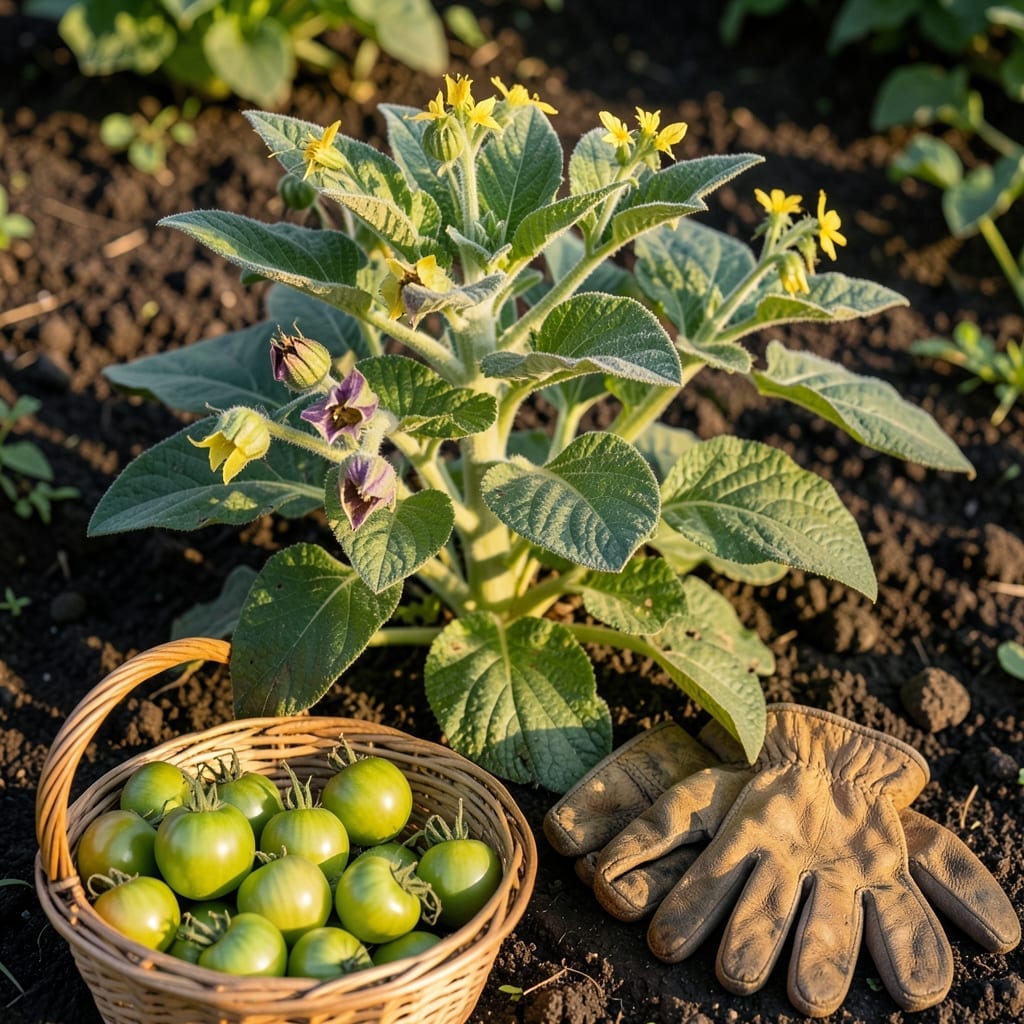
Nothing ruins a salsa verde like underripe tomatillos. The 🍅 Tomatillo hides its ripeness behind a papery husk, making it tricky to judge at first glance.
I’ve learned the hard way that color and texture tell the real story. The difference between a firm, tangy fruit and a mushy disappointment often comes down to just a few days.
Let me share the exact cues I use to harvest at peak flavor every time. Your taste buds will thank you.


I always start by examining the husks first. A tomatillo’s papery covering changes from bright green to tan or brown as it matures, which is your first visual clue.
The fruit color inside tells another part of the story. Green varieties turn lighter green or yellow, while purple types deepen to a rich eggplant hue. This transformation signals the sugars are developing.☀️
| Sign | Appearance |
|---|---|
| Husk color | Turns tan or brown |
| Fruit color | Green, yellow, or purple |
| Husk fit | Feels tight but splitting |
| Fruit size | 1-2 inches in diameter |
The husk should feel tight but may start to split open as the fruit expands. This is normal and actually a great sign the tomatillo is nearing peak ripeness.
I check for consistent color on the fruit itself. If the tomatillo is still partially green in spots, I leave it on the plant for a few more days to fully develop.
Another reliable indicator is the filling of the husk. When the fruit grows to fill its papery shell, it’s usually ready. Underripe tomatillos often rattle inside their husks.
For yellow tomatillos, the transformation from green to golden is dramatic. I find they develop a slightly sweeter flavor at this stage compared to their green counterparts.
Purple varieties are my favorite visual treat. Their deep color appears as the sugar content increases, making them perfect for jams or sweeter preparations.
I always inspect the stem area too. A mature tomatillo will have a dry, brown stem where it attaches to the plant, rather than a green, flexible one.
Remember that size varies by variety, but most tomatillos reach 1-2 inches in diameter when ripe. Anything smaller usually needs more time on the vine.
Finally, I look at the overall plant health. Healthy tomatillo plants with consistent watering produce the most reliable ripening cues. 🌱
I never rely on looks alone—I always do the squeeze test. A ripe tomatillo should feel firm but slightly soft, like a ripe apple with a little give when pressed.☀️
If it feels rock-hard, it’s definitely not ready. Underripe tomatillos will feel solid throughout with no yield to gentle pressure.
⚠️ Warning: Overripe tomatillos become mushy or squishy—harvest before this stage to avoid waste.
I compare the weight in my hand too. Ripe tomatillos feel heavy for their size, indicating they’re full of juice and flavor.
The husk texture changes as well. When the papery covering becomes dry and brittle, it’s a strong indicator the fruit inside is mature.
I check the stem attachment for flexibility. A ripe tomatillo will have a dry, woody stem that snaps easily when bent.
For the most accurate test, I combine visual and tactile cues. The husk should be brown and splitting while the fruit feels firm but yielding inside. 🌱
Remember that morning harvesting often yields the best texture, as the fruits are most turgid after a night of moisture absorption.