
Beautiful Plants For Your Interior
Beautiful Plants For Your Interior
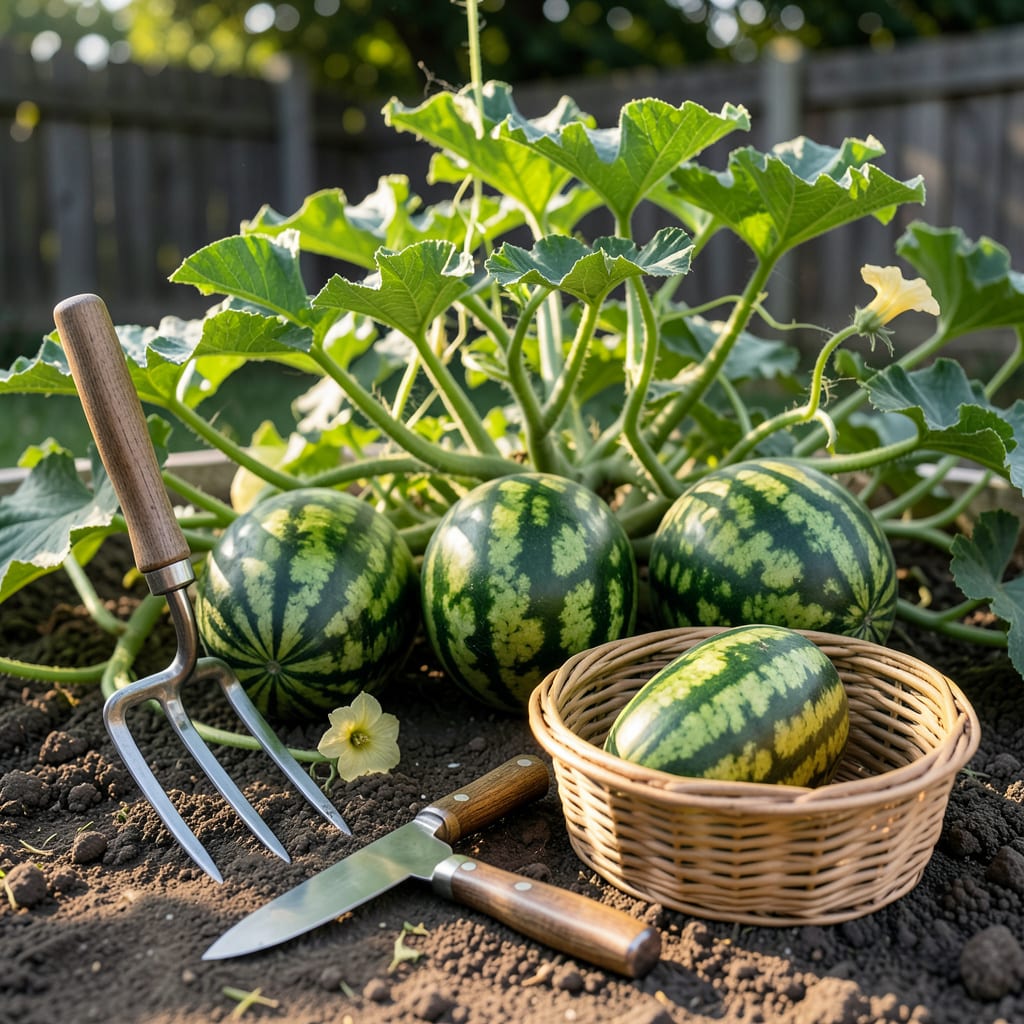
There’s nothing worse than slicing into a watermelon you’ve nurtured for months—only to find it underripe or mushy. That perfect balance of sweetness and crunch hinges on one critical moment: knowing exactly when to pick it.
I’ve learned the hard way that guesswork doesn’t cut it. After testing countless methods, I’ll show you the 3 foolproof signs that guarantee your melon is ripe and ready. No more disappointing harvests—just juicy, sun-ripened perfection every time.


After months of tending your watermelon vines, the big moment arrives: deciding when to harvest. Unlike tomatoes or peppers, melons don’t keep ripening after picking, so timing is everything. I’ve ruined more than one melon by guessing wrong—here’s how to avoid my mistakes.
The secret lies in three visual clues that nature provides. These signs are more reliable than thumping or size alone. Let’s break down what to look for—starting with the tendril test, the most foolproof indicator of all.
| Ripeness Sign | What to Look For | Why It Matters |
|---|---|---|
| Tendril Drying | The curly stem near the melon turns brown and crispy | Signals the vine has stopped feeding the fruit |
| Ground Spot | Creamy yellow or orange patch where melon rests on soil | Shows prolonged contact with earth (ripe for 7+ days) |
| Rind Texture | Dull, matte finish (not shiny) with rough, bumpy skin | Indicates sugar development and full maturation |
First, examine the tendril—that’s the curly stem attached to the vine near the melon. When it turns completely brown and dries out, your melon is ready. This happens because the vine stops sending nutrients to the fruit once it’s fully ripe. Pro tip: Check the tendril closest to the melon, not the main vine.
Next, flip the melon over and look at its ground spot. This is the area that touches the soil. A ripe watermelon will have a creamy yellow or orange patch. If it’s still white or pale green, leave it longer. The deeper the color, the sweeter the fruit—this spot develops as sugars concentrate.
The rind’s texture tells you more than its color. A ripe melon loses its glossy sheen and develops a dull, matte finish. Run your fingers over the skin—it should feel slightly rough, almost like fine sandpaper. Shiny skin means it’s still maturing, while overly smooth skin might indicate overripeness.
Don’t rely on size alone—variety matters. A ‘Sugar Baby’ melon maxes out at 8-10 pounds, while ‘Crimson Sweet’ can reach 25 pounds. Always check your seed packet for the expected mature size. I once left a ‘Moon and Stars’ melon on the vine for weeks waiting for it to grow bigger, only to find it had passed its prime.
For extra confirmation, give the melon a gentle thump test. A ripe watermelon produces a deep, hollow sound—like tapping your chest. An immature melon sounds metallic or high-pitched. This works best for larger varieties; smaller melons can be trickier to judge by sound alone.
Remember that weather impacts ripening. Hot, dry spells can accelerate maturation, while cool, wet periods may delay it. If you’re in a heatwave, start checking melons a few days earlier than expected. I keep a gardening journal to track how weather affects my harvest times each year.
Once you’ve confirmed ripeness, use pruning shears to cut the stem, leaving 2-3 inches attached. Avoid pulling or twisting, which can damage the vine or fruit. Handle your melon carefully—bruising reduces shelf life. Store uncut watermelons at room temperature for up to two weeks, or refrigerate after cutting.
If you’ve accidentally picked an underripe melon, don’t despair. While it won’t sweeten further, you can still use it in smoothies or salads where texture matters less. Overripe melons are best for juicing or composting. With practice, you’ll develop an eye for perfect ripeness every time.
Even experienced gardeners sometimes misjudge watermelon ripeness. I’ve made my share of errors—like harvesting based on size alone or ignoring weather patterns. These common mistakes can turn your sweet reward into a bland disappointment. Let’s fix them before you cut into your next melon.
The biggest blunder? Assuming a big watermelon equals a ripe one. Size varies by variety, and some melons stop growing before they’re fully sweet. I once proudly harvested a 20-pound ‘Crimson Sweet’—only to discover it was still pale and tasteless inside. Always cross-check size with other ripeness signs.
Don’t rely on thumping alone—this method works best for large varieties and requires practice. Beginners often misinterpret the sound.
Never ignore the tendril test. Even if the ground spot looks good, a green tendril means the melon isn’t ready.
Watch for weather impacts. Heatwaves can rush ripening, while cool spells delay it. Adjust your timeline accordingly.
Another frequent error is overlooking the tendril. I’ve seen gardeners focus only on the ground spot or rind color while ignoring this critical sign. Remember: the tendril closest to the melon must be completely brown and dry. If it’s still green or flexible, wait a few more days.
Weather plays a bigger role than most realize. During a heatwave, your melons may ripen 3-5 days faster than expected. Conversely, cool, rainy weeks can slow maturation. I track temperatures in my gardening journal to predict harvest windows more accurately. When forecasts show prolonged heat, I start checking melons daily.
The ground spot test trips up gardeners who don’t know what to look for. A white or pale green spot means the melon needs more time. But if you see a deep yellow or orange patch, it’s ready. I once harvested a melon with a light yellow spot, thinking it was ripe—only to find the flesh still firm and underdeveloped.
Finally, don’t forget about post-harvest handling. Even a perfectly ripe melon can spoil quickly if mishandled. Always cut with clean tools, store whole melons at room temperature, and refrigerate only after cutting. I’ve ruined good melons by refrigerating them whole, which degrades their texture and flavor.
If you’ve already picked an unripe melon, all isn’t lost. While it won’t sweeten further, you can still use it in fruit salads or blend it into smoothies. Overripe melons make excellent juice or compost material. With each harvest, you’ll refine your timing—soon you’ll be picking perfect melons every time.🌱
Not all watermelons ripen the same way. The variety you’re growing determines everything from size to ripeness signs. I learned this the hard way when my ‘Sugar Baby’ melons were ready two weeks before my ‘Crimson Sweet’—despite being planted simultaneously. Here’s how to adjust for different types.
Popular varieties like ‘Crimson Sweet’ and ‘Charleston Gray’ take 80-90 days to mature, while smaller types like ‘Sugar Baby’ or ‘Golden Midget’ may be ready in 70-75 days. Always check your seed packet for the days-to-maturity range—it’s your first clue for when to start watching for ripeness signs.
| Variety | Days to Maturity | Size at Maturity | Key Ripeness Sign |
|---|---|---|---|
| Crimson Sweet | 80-90 days | 20-25 lbs | Deep green rind, large yellow ground spot |
| Sugar Baby | 70-75 days | 8-10 lbs | Dark green stripes, early tendril drying |
| Moon and Stars | 90-100 days | 25-40 lbs | Yellow spots develop, dull rind texture |
| Charleston Gray | 85-95 days | 25-35 lbs | Light gray rind, deep orange ground spot |
‘Crimson Sweet’ melons are my go-to for beginners. Their large size makes ripeness signs easier to spot, and they’re forgiving if harvested a day or two early. Look for a deep green rind with bold stripes and a ground spot that turns from white to golden yellow. The tendril will dry completely when ready.
For smaller varieties like ‘Sugar Baby’, watch the stripes. They’ll darken significantly as the melon ripens. These compact melons often mature faster than expected, so start checking at day 65. Their ground spot may stay lighter than larger varieties, so prioritize the tendril test and rind texture.
Heirloom types like ‘Moon and Stars’ have unique ripeness cues. Their signature yellow spots become more pronounced when ripe. The rind also develops a distinctive dullness that’s easier to see than in red-fleshed varieties. Give these extra time—they often need the full 100 days to reach peak sweetness.
Remember that seedless varieties (like ‘Triple Crown’) may show subtler ripeness signs. Their tendrils often dry more slowly, and ground spots develop later. When in doubt, use the thump test—seedless melons produce a higher-pitched sound when ripe compared to seeded varieties. I’ve found they’re best harvested at the earlier end of their maturity range.
No matter the variety, always cross-check multiple signs. I use a simple rule: wait until at least two of the three main indicators (tendril, ground spot, rind) confirm ripeness. This approach has saved me from many disappointing harvests. With practice, you’ll learn your favorite variety’s quirks and harvest perfect melons every season.🌱
The curly stem (tendril) nearest the melon turns completely brown and becomes brittle when ripe. It should snap easily if bent. This signals the vine has stopped nourishing the fruit, meaning it’s fully matured.
No, a white ground spot means it needs more time. Wait until it turns creamy yellow or orange. This color change happens after about 7 days of contact with the soil, indicating full sugar development inside.
Yes, but it takes practice. A ripe melon produces a deep, hollow sound when tapped—like thumping your chest. Unripe melons sound metallic or high-pitched. Try comparing sounds between ripe and unripe melons to train your ear.
Heatwaves can speed ripening by 3-5 days, while cool, wet weather may delay it. During hot spells, start checking melons earlier than expected. I track temperatures to adjust my harvest timeline accordingly.
Underripe melons won’t sweeten further, but you can still use them! Try blending into smoothies or adding to fruit salads where texture matters less. Overripe melons work well for juicing or composting.
