
Beautiful Plants For Your Interior
Beautiful Plants For Your Interior
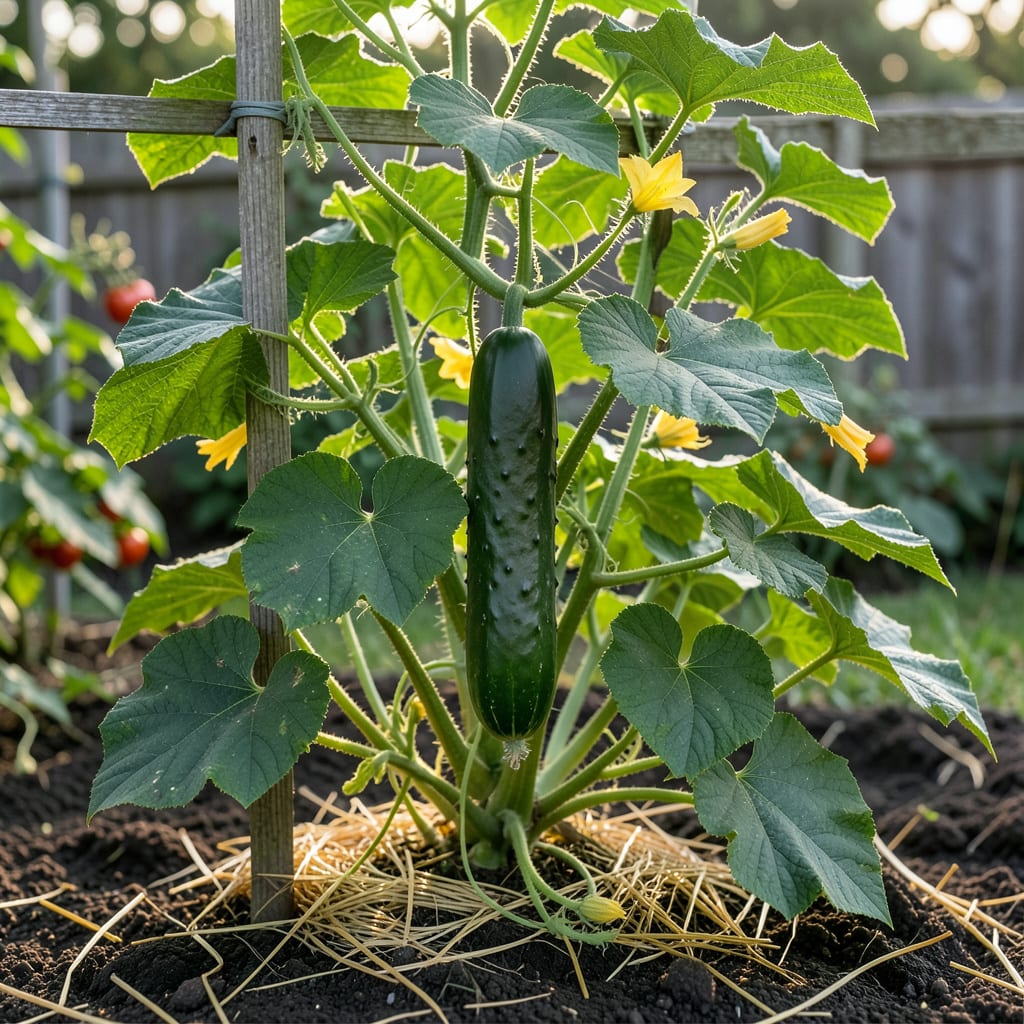
There’s nothing worse than cutting into a homegrown cucumber only to find it bitter or mushy. I’ve been there—standing in the garden wondering if today’s the day or if I should wait one more day. The difference between perfect and disappointing often comes down to two simple clues.
After years of trial and error with my 🥒 cucumber plants, I’ve learned that color shifts and the stem’s behavior tell you everything. Let me show you exactly what to look for—no guesswork required. Your crispest, sweetest harvest starts with knowing these key signs.


I’ve lost count of how many gardeners I’ve met who wait too long to pick cucumbers, thinking bigger means better. Spoiler: it doesn’t. Overripe cucumbers turn bitter, seedy, and tough—basically the opposite of that crisp, sweet crunch we all crave. The good news? Your plants send clear signals when it’s time to harvest.
Forget guessing games. The three foolproof visual cues I rely on are the stem slip test, vibrant color shifts, and size benchmarks by variety. Even first-time growers can master these with a little practice. Let’s break them down with photos so you’ll never second-guess your harvest again.
| Visual Sign | What to Look For | Example by Variety |
|---|---|---|
| Stem Slip Test | Stem separates easily with a gentle twist | ‘Straight Eight’: Clean break at 6-8″ |
| Color Vibrancy | Deep, even green/yellow/white (no dull patches) | ‘Lemon Cucumber’: Bright yellow, not pale |
| Size Benchmark | Reaches variety-specific length | ‘Boston Pickling’: 3-5″ max |
| Texture Check | Firm with slight give (not rock-hard or squishy) | All varieties: Should “bounce back” when pressed |
💡 Pro Tip: Harvest every 2-3 days in peak season to keep plants productive!
The stem slip test is my favorite trick. When cucumbers are ready, the stem will detach with minimal pressure—almost like it’s offering itself to you. If you’re tugging hard or using scissors, it’s either not ripe yet or you’ve waited too long. For pickling varieties like ‘Boston Pickling,’ aim for 3-5 inches; slicers like ‘Straight Eight’ are perfect at 6-8 inches.
Color tells you more than you think. Most cucumbers shift from dull green to vibrant, glossy hues when ripe. ‘Lemon Cucumber’ turns a sunny yellow, while ‘White Wonder’ develops a creamy ivory tone. A pale or splotchy appearance means it’s not ready. I always compare the cucumber’s color to its leaf’s underside—if they match in richness, it’s go time.
Size matters—but only within the variety’s range. ‘Armenian cucumbers’ can grow to 2 feet and still taste great, while ‘Cornichon’ types max out at 2 inches. Check your seed packet for specifics. A common mistake? Letting cucumbers bulk up for “more bang for your buck.” Trust me, that’s how you end up with bitter, seedy monsters.
Here’s a trick for the texture test: Gently squeeze the cucumber. It should feel firm but yield slightly, like a ripe avocado. If it’s rock-hard, it’s underripe; if it leaves a fingerprint or feels spongy, it’s overripe. I run my thumbnail along the skin too—smooth with slight resistance means perfect crispness.
Timing matters too. Most cucumbers reach harvest readiness in 50-70 days from planting. I mark my calendar when flowers appear, then count 8-10 days for pickling types or 12-14 days for slicers. Hot weather speeds this up, so check daily when temps climb above 85°F. Morning harvests yield the crispest cucumbers—they’re plump with overnight moisture.
If you’re growing heirloom varieties, watch for unique cues. ‘Poona Kheera’ develops a rusty brown fuzz when ripe, while ‘Dragon’s Egg’ turns from green to creamy white. When in doubt, harvest one test cucumber and taste it. The plant will keep producing as long as you pick regularly—leaving overripe fruit signals the vine to slow down.
Remember: Frequency is key. I aim to harvest every other day during peak season. This prevents cucumbers from hiding under leaves (where they’ll overripen unnoticed) and encourages the plant to produce more. Use a trellis to spot cucumbers easily—hanging fruits are simpler to inspect than those lurking in the foliage.
Still unsure? Compare your cucumber to the photos in the table above. When the stem slips, the color pops, and the size matches, you’ve hit the sweet spot. Grab your pruners (or just twist gently) and enjoy that garden-fresh crunch. Your salads—and your cucumber plants—will thank you! 🌱
Not all cucumber varieties ripen at the same pace—or even look the same when ready. I’ve learned the hard way that waiting for a ‘Lemon Cucumber’ to turn yellow is smart, but doing the same for a ‘Straight Eight’ means you’ve waited too long. 🌱
Most slicing cucumbers like ‘Marketmore’ hit their peak at 6–8 inches, while pickling types (think ‘Boston Pickling’) are best at 3–5 inches. Climate plays a role too—hotter zones speed up maturity, so I check my plants every 2 days in summer. ☀️
| Variety | Ready Size | Days to Harvest | Color When Ripe |
|---|---|---|---|
| Straight Eight | 6–8 inches | 55–65 days | Dark green |
| Lemon Cucumber | 2–3 inches | 60–70 days | Pale yellow |
| Boston Pickling | 3–5 inches | 50–55 days | Medium green |
| Diva | 5–7 inches | 58–62 days | Bright green |
Pro Tip: Early varieties like ‘Bush Champion’ mature 5–7 days faster in warm climates. Adjust your calendar!
I always mark my planting dates on a calendar and count forward using the days-to-maturity range. For example, if I planted ‘Straight Eight’ on May 15, I start checking around July 10 (55 days later). Overripe cucumbers turn bitter or spongy, so timing matters. ⏰
Bush varieties (like ‘Spacemaster’) often ripen all at once, while vining types produce steadily. I harvest every other day during peak season to keep plants productive. If you spot a cucumber with a dull, waxy skin, it’s past prime—toss it to the compost! 🪴
For heirloom varieties, I rely more on color and texture than size. A ‘Armenian Cucumber’ (actually a melon!) should be light green and firm, not yellow. When in doubt, do the thumbnail test: press gently—if it leaves a slight dent, it’s perfect. 💪
Remember, stressed plants (from drought or pests) may produce cucumbers that ripen unevenly. I keep my plants well-watered and mulched to avoid this. If your cucumbers are growing crooked or lumpy, they’re still edible—just harvest them at the right color stage! 💧
Timing your cucumber harvest isn’t just about flavor—it affects the entire plant’s productivity. I’ve seen gardeners lose weeks of potential harvests by picking too soon or waiting too long. The difference between a perfect cucumber and a disappointing one often comes down to just 24-48 hours.
Picking cucumbers too early means you’re robbing yourself of that sweet, crisp texture we all love. Underripe cucumbers often taste bland or grassy, with a tougher skin that doesn’t have that satisfying crunch. Worse, they’re usually smaller than expected, leaving you with less usable fruit for your efforts.
💡 Sweet Spot: Harvest at 6-8 days after flowering for most varieties!
Waiting too long creates the opposite problem. Overripe cucumbers develop bitter flavors and a spongy, seedy interior that’s unappetizing. The skin often becomes tough and waxy, and the seeds grow large and hard. I once left a ‘Straight Eight’ on the vine for 10 days—it grew to 14 inches but tasted like a bitter sponge!
The plant suffers too when you mistime harvests. Picking too early can stress the vine, potentially reducing future yields. But leaving overripe cucumbers signals the plant to stop producing, thinking its job is done. I’ve found that consistent harvesting every 2-3 days keeps plants in production mode longer.
There’s good news if you’ve waited too long: you can still salvage overripe cucumbers. Scoop out the seeds and use the flesh for compost or plant food. Some gardeners blend them into a liquid fertilizer for other plants. For slightly overripe cucumbers, peeling and slicing thin can help reduce bitterness.
Remember, cucumber plants are prolific producers when harvested properly. I once got 20+ cucumbers from a single ‘Marketmore 76’ plant by checking daily and picking at the right stage. The key is observation and consistency—your plants will reward you with crisp, sweet cucumbers all season long. 🥒
During peak season, check your plants every 2-3 days. Cucumbers grow quickly, especially in warm weather. Morning is the best time to harvest since they’re crispest after absorbing overnight moisture.
Yes, but they’ll be less enjoyable. Overripe cucumbers often taste bitter and have a spongy texture. Try peeling them or scooping out the seeds to improve flavor. For severely overripe ones, consider composting or using them as plant food.
Use a gentle twisting motion or clean pruners. If the stem resists, the cucumber isn’t ready. For stubborn stems, cut just above the fruit with sharp scissors. Always leave a small portion of stem attached to prevent rot.
No, only specific varieties like ‘Lemon Cucumber’ turn yellow. Most remain green when ripe. Check your seed packet for variety-specific color cues. When in doubt, rely on the stem slip test and firmness.
Bitterness often comes from inconsistent watering or heat stress. Keep soil evenly moist and provide afternoon shade in hot climates. Some varieties are naturally more bitter—try growing ‘Sweet Success’ or other low-bitterness types.
