
Beautiful Plants For Your Interior
Beautiful Plants For Your Interior
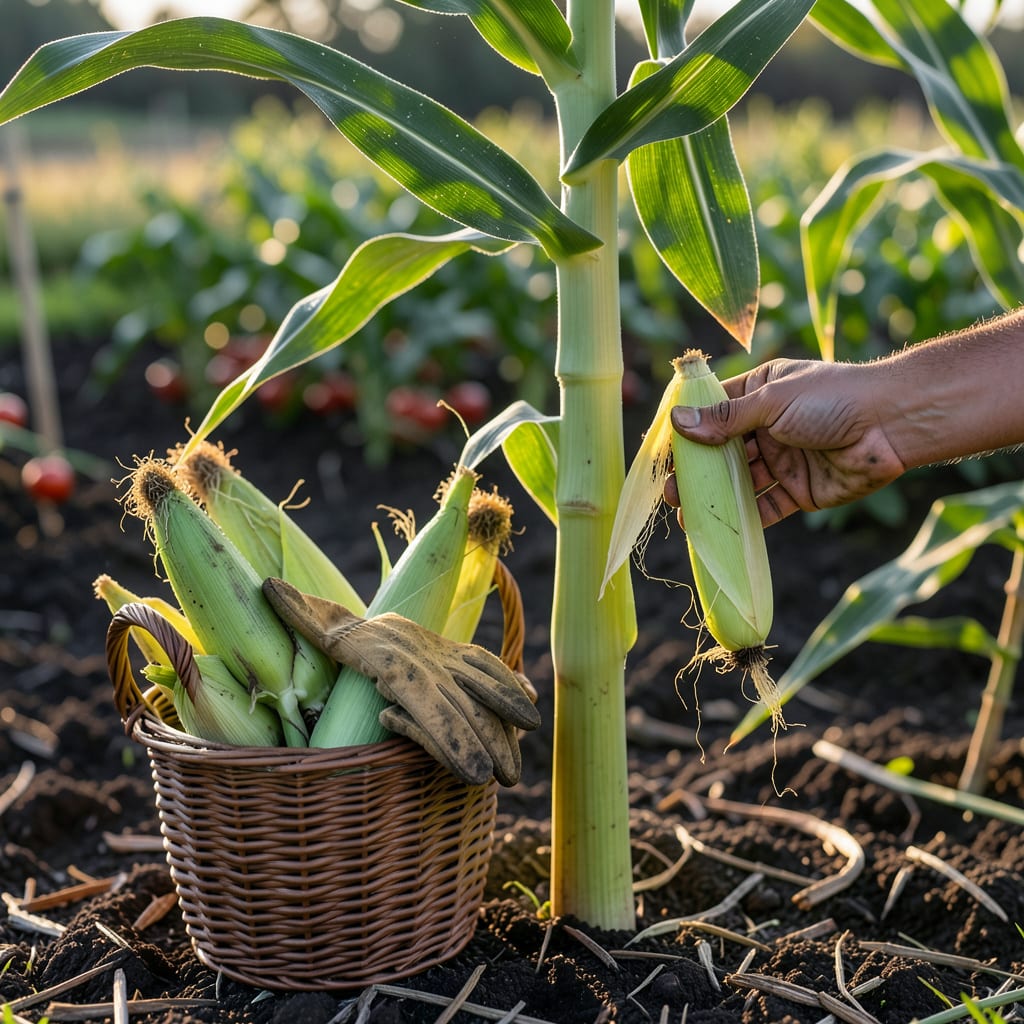
There’s nothing worse than shucking an ear of corn only to find tough, underripe kernels—or worse, overmature ones that taste like starch. Timing is everything when it comes to harvesting corn, and missing that sweet spot by just a few days can ruin your hard work.
I’ve learned the hard way that guessing doesn’t cut it. The good news? Your corn plants give you clear signals—like drying silks and milky kernel juice—when they’re ready. Let me show you exactly what to look for so you never pick too early or too late again.


After weeks of watching your corn stalks grow taller, the big question arrives: Is it ready to pick? Timing is everything—harvest too early, and you’ll get underdeveloped kernels; wait too long, and the sugar turns to starch. I’ll walk you through the three foolproof visual cues to check.
First, focus on the silk—those wispy strands poking from the husk. When they turn from green to brown and feel dry to the touch, your corn is nearing readiness. But don’t stop there; you’ll need to confirm with two more checks. Let’s break it down step by step.
✅ Pro Tip: Check ears in the morning when sugars are highest for the sweetest flavor.
Let’s dive deeper into the silk test. When the silks first emerge, they’re sticky and green—this is the pollination phase. Once they darken to tan or brown and pull away easily from the ear, the kernels are fully fertilized. If the silks are still moist or green, give it 3–5 more days.
Next, gently squeeze the husks. A ready ear feels solid and rounded, like a well-inflated balloon. If it feels flat or lumpy, the kernels aren’t fully developed yet. For extra confirmation, peek inside the husk (without detaching it) to check kernel plumpness and color.
The kernel check is your final verification. Press a fingernail into a kernel—if it releases a milky liquid, it’s perfect! Clear juice means it’s not ready, while a thick, doughy liquid signals it’s overripe. This test is especially useful for sweet corn varieties, where timing impacts flavor.
Weather plays a role too. Hot, dry conditions can speed up maturity, while cool, wet spells may delay it. If you’re growing multiple varieties, note that early-season corn (like ‘Early Sunglow’) matures in 60–70 days, while main-season types (like ‘Silver Queen’) take 80–100 days.
Avoid the mistake of waiting for the husks to yellow—this is a sign of over-maturity in most sweet corn. Instead, harvest when the husk is still vibrant green but the other signs align. For field corn or popcorn, you’ll wait until husks are fully dry and brown.
If you’re still unsure, try the “twist test”: Gently twist an ear downward. If it snaps off cleanly, it’s ready. If it resists, leave it for another day or two. Remember, corn doesn’t continue ripening after picking, so timing is critical for that burst-of-summer sweetness.
Once you’ve mastered these signs, you’ll never second-guess your harvest again. And if you’re growing multiple rows, stagger your checks—ears at the top of the stalk often mature slightly earlier than those lower down. Happy picking!
Timing your corn harvest perfectly isn’t just about looks—it’s about the juice inside those kernels. I’ve found that even when the silks turn brown and the husk feels plump, the real test happens when you pierce a kernel. This simple trick separates sweet success from starchy disappointment.
Here’s why it works: As corn matures, the liquid inside kernels changes from clear to milky, then finally to doughy. You want that milky stage—it’s when sugars are at their peak. Too early, and you’ll get watery kernels; too late, and they turn tough. Let me show you exactly how to test it.
Even if your corn looks ready, always do the juice test. Here’s how:
Pro tip: Test multiple ears—ripeness can vary even on the same stalk!
I always test kernels from the middle of the ear, not the tip or base. The middle kernels mature first and give the most accurate reading. If you see clear liquid, wait 2-3 days and test again. That milky consistency is your golden ticket to sweet, tender corn.
Weather plays a role too. Hot, dry conditions can speed up maturity, while cool, wet weather slows it down. I check my corn every 2 days once the silks start browning. In my experience, most sweet corn varieties hit their peak 20-24 days after silking begins.
Here’s a mistake I see often: gardeners testing kernels too gently. You need to pierce deeply enough to see the juice—just a surface scratch won’t do. Use your thumbnail and press firmly. The juice should squirt out slightly when it’s ready.
Remember, corn doesn’t continue sweetening after picking—it actually starts converting sugars to starch immediately. That’s why I harvest in the cool morning hours and get it into cold water or the fridge ASAP. This preserves that just-picked sweetness for days.
If you’re growing different varieties, keep notes on which ones mature fastest. My ‘Honey & Pearl’ sweet corn always ripens before my ‘Country Gentleman’ shoestring corn. Tracking these differences helps you plan your harvest schedule better each year.
Not all corn ripens the same way—sweet corn, field corn, and popcorn each have unique harvest windows. Knowing the differences ensures you pick at peak flavor and texture. Let’s break down the key timing cues for each type.
For sweet corn, timing is everything. Most varieties are ready 18-24 days after silking, when kernels are plump and release milky juice. Field corn, grown for animal feed, matures later—100-120 days—and dries completely on the stalk. Popcorn requires even more patience, needing 110-120 days to dry fully.
| Variety | Days to Harvest | Key Sign | Best Use |
|---|---|---|---|
| Sweet Corn | 60-80 days | Milky kernel juice | Fresh eating |
| Field Corn | 100-120 days | Dry, hard kernels | Animal feed |
| Popcorn | 110-120 days | Fully dried ears | Snacking |
If you’re growing sweet corn, check ears daily once silks darken. Field corn and popcorn, however, need to stay on the stalk until husks turn brown and papery. Picking too early means underdeveloped kernels, while waiting too long risks mold or bird damage.
Weather plays a role too. Hot, dry spells can speed up maturity, while cool, wet conditions may delay it. Always perform the kernel juice test to confirm readiness—pierce a kernel with your fingernail. If the liquid is milky white, it’s perfect; if clear, wait a few more days.
For heirloom or specialty varieties, refer to seed packets for exact timing. Hybrid sweet corn often matures faster, so monitor closely. Once harvested, sweet corn loses sweetness quickly—eat or preserve within 24 hours for the best flavor. Popcorn, however, can be stored for months in a dry place.
Remember: Corn doesn’t ripen further after picking, so timing is critical. When in doubt, test a few ears before harvesting the entire crop. This way, you’ll enjoy the sweetest, most tender kernels every time! 🌽
This usually means your corn needs 2-3 more days. The silks drying is the first sign, but kernels mature shortly after. Check again in a couple days—hot weather can speed this up, while cool spells may slow it down.
You can, but morning harvest gives sweeter corn. Sugars convert to starch as the day warms. If you must pick later, chill ears immediately in cold water to preserve sweetness. Evening-picked corn tastes best if cooked within 4 hours.
Ears at the top of the stalk typically mature 1-2 days earlier than lower ones. This is normal! Check each ear individually using the silk and kernel tests. Varieties with multiple ears (like ‘Country Gentleman’) often show this pattern.
Use the “gentle twist test”: grasp an ear and twist downward slightly. If it resists, it’s not ready. For the juice test, peel back just 1 inch of husk to check middle-row kernels, then fold husk back. This minimizes exposure to pests.
