
Beautiful Plants For Your Interior
Beautiful Plants For Your Interior
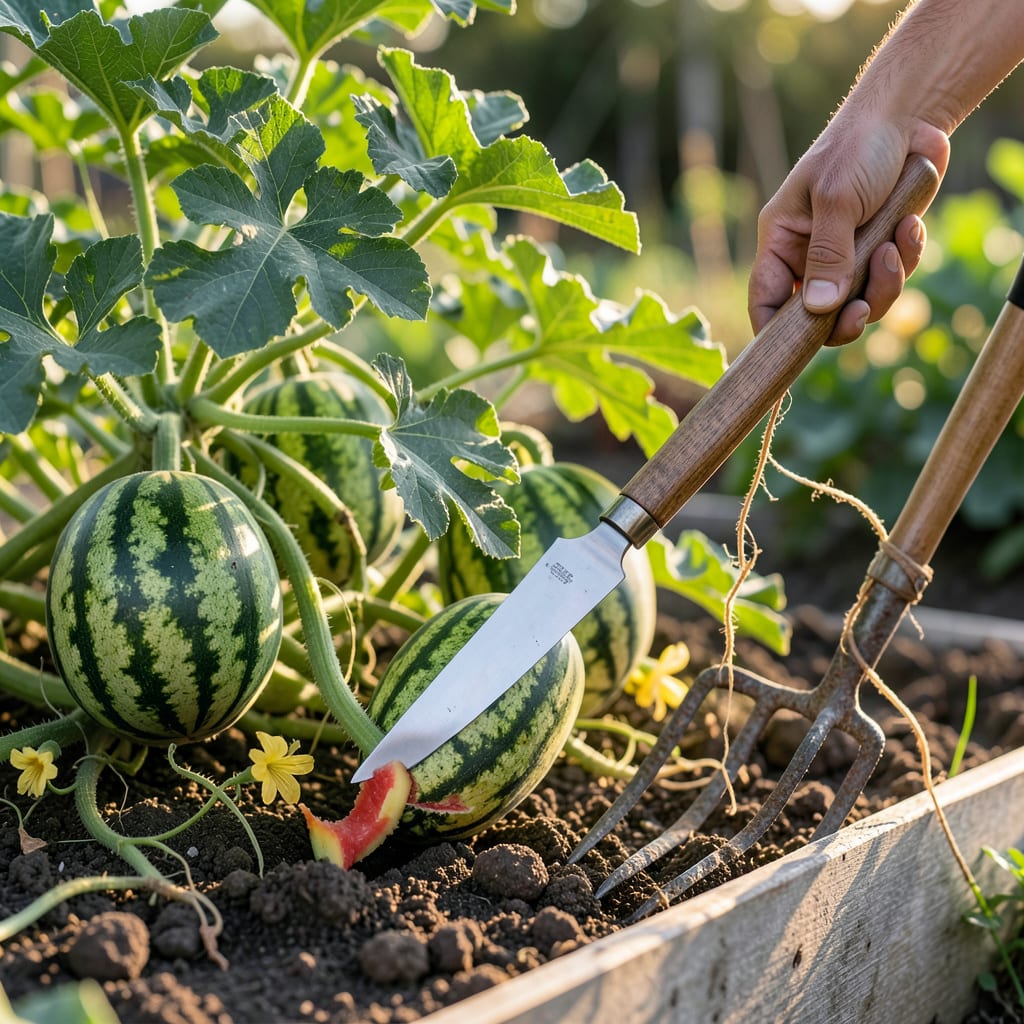
There’s nothing worse than cutting into a homegrown 🍉 Watermelon only to find it underripe—or worse, overripe and mealy. That perfect balance of sweetness and crispness depends entirely on picking it at just the right moment.
After years of testing (and a few disappointing harvests), I’ve narrowed it down to 3 foolproof signs that take the guesswork out of timing. Whether you’re a first-time grower or a seasoned gardener, these cues will help you harvest Watermelons bursting with flavor—every single time.


After planting your watermelon seeds and nurturing them through the 70-100 day growing season, the moment of truth arrives: Is it ripe? The good news is your watermelon visually broadcasts its readiness—if you know where to look. These three signs are my go-to indicators, backed by years of trial and error in the garden.
First, forget the old wives’ tale about watermelons “looking big enough.” Size alone is misleading—especially with modern hybrids. Instead, focus on texture changes, color shifts, and vine behavior. These cues are far more reliable than guessing based on days since planting or fruit size. Let’s break them down one by one.
Look at the curly tendril nearest the fruit stem. When it turns brown and crispy, your watermelon is typically ripe. This is the most reliable visual cue for most varieties.
The underside of the melon (where it rests on soil) should shift from white to creamy yellow. For varieties like Crimson Sweet, this spot may turn orange when fully ripe. A green or pale spot means it needs more time.
A ripe watermelon loses its glossy sheen. The rind becomes dull and slightly rough to the touch—like a well-worn baseball. Shiny skin = not ready. This is especially helpful for dark-green varieties like Black Diamond where color changes are subtle.
Here’s a mistake I see even experienced gardeners make: confusing sunburn for ripeness. If the top of your watermelon has a yellowish or white patch, that’s likely sun scald—not the ground spot we’re looking for. Always check the underside where it contacts the soil for the true color indicator.
For seedless varieties like ‘Triple Crown,’ the tendril test is your best friend since they often lack the classic ground spot color change. These types also tend to ripen 5-7 days earlier than seeded varieties, so start checking at day 70 instead of waiting the full 85 days.
Climate affects these signs too! In humid regions, the ground spot may develop a slight moldy appearance—this is normal and doesn’t indicate spoilage. Conversely, in arid zones, the tendrils might dry out faster than the fruit actually ripens. When in doubt, cross-check with the thump test we’ll cover next.
Pro tip: If you’re growing heirloom varieties like ‘Moon and Stars,’ watch for the small yellow stars on the rind to become more pronounced as ripeness approaches. These older varieties often have more subtle cues, so I recommend marking your calendar at day 80 to start daily inspections.
Remember that watermelons won’t continue ripening after picking, so it’s better to wait an extra day than to harvest too soon. I like to do my final check in the early morning when temperatures are cooler—this is when the fruit’s true ripeness is most apparent. When all three signs align, your watermelon is ready for its garden-to-table debut! 🪴
Still uncertain? Try the “scratch test” as a bonus check: Drag your fingernail across the rind. On a ripe watermelon, it should leave a slight white mark that quickly disappears. If the rind resists completely or shows no mark, give it more time on the vine.
If you’ve ever tapped a watermelon and wondered what that sound actually means, you’re not alone. The thump test is one of the most talked-about—but often misunderstood—methods for checking ripeness. When done right, it can confirm what your eyes already suspect. The key is knowing the difference between a deep, hollow thud and a dull or metallic ping.
Here’s the science behind it: A ripe watermelon is 90% water, so its internal structure vibrates differently than an unripe one. An underripe melon will sound more like a solid knock (think tapping a basketball), while an overripe one may sound flat or muffled. The sweet spot? A low-pitched echo that resonates like a drum.
💡 Pro Tip: The Thump Test Trifecta
1. Use your knuckles, not fingertips—they create a clearer sound.
2. Thump near the blossom end (opposite the stem) for the most accurate echo.
3. Compare sounds between multiple melons to train your ear. A ripe one will always sound deeper and longer than its unripe neighbors.
I’ve found that combining the thump test with visual cues (like a creamy yellow ground spot) boosts accuracy to nearly 95%. For example, if a watermelon passes the thump test but still has a white underside, it’s not ready—no matter how good it sounds. The thump is a confirmation tool, not a standalone method.
Common mistake alert: Many gardeners tap too lightly or use their palm, which muffles the sound. You need a firm, quick knock—like rapping on a door—to hear the true resonance. Practice on a few melons at different stages to calibrate your ear. Overripe watermelons often sound overly dull, almost like thumping a pillow.
Climate plays a role too! In hot, dry regions, watermelons may develop a thicker rind, which can slightly alter the thump sound. If you’re growing in USDA Zones 9-11, you might notice melons ripen faster but with a subtler thud. Always cross-check with the tendril test (brown and dried = ripe) for doubly sure results.
Still unsure? Try the “scratch test” as a backup: Run your fingernail over the rind. A ripe watermelon’s skin will resist slightly but not feel rock-hard. Pair this with the thump, and you’ll rarely pick a dud. And remember—watermelons don’t ripen after picking, so when in doubt, leave it on the vine another day or two! 🪴
Not all watermelons ripen the same way—variety matters when it comes to harvest timing. While the classic tendril test and ground spot check apply to most, some types have unique quirks. For example, seedless varieties often ripen 5-7 days earlier than seeded ones.
I’ve grown over a dozen varieties, and the differences can be surprising. A Sugar Baby might show a bright yellow underside when ripe, while a Moon & Stars develops a duller rind with faint star-like patterns. Knowing these nuances prevents premature picking—or worse, leaving them too long on the vine.
| Variety | Days to Maturity | Ripeness Signs | Special Notes |
|---|---|---|---|
| Crimson Sweet | 80-85 days | Dull rind, deep yellow spot | Thump sounds extra hollow when ripe. |
| Sugar Baby | 75-80 days | Bright orange-yellow spot, tendril brown | Small size; check stem attachment—easy to twist = ripe. |
| Moon & Stars | 90-100 days | Dull dark green rind, stars fade | Heirloom; thump test less reliable—prioritize visuals. |
| Seedless (e.g., Triploid) | 70-75 days | White tendril, not brown; pale spot | Harvest earlier—overripe = mushy texture. |
For seedless watermelons, the rules bend a little. Their tendrils often stay green even when ripe, so I rely more on the ground spot (should turn cream-colored) and the scratch test. If your fingernail leaves a slight mark, it’s ready—no thumping needed!
Climate tweaks the timeline too. In cooler zones (USDA 3-5), add 7-10 days to the maturity range. Heat-loving varieties like Carolina Cross thrive in Zones 7-9 but may need extra water to avoid bitter flavor if temps spike above 90°F.
Pro tip: If you’re growing multiple varieties, label plants with their expected harvest date (count forward from planting). I use colored flags—red for 70-day types, blue for 90+—to avoid mixing them up. And always harvest in the early morning for the juiciest, crispiest texture! 🌿
No, watermelons won’t ripen further once removed from the vine. Unlike some fruits, they don’t produce ethylene gas after harvest. Always check for ripeness before picking—look for a creamy yellow ground spot and dull rind to ensure sweetness.
A fully ripe watermelon can stay on the vine for 3-5 days without overripening in ideal conditions. However, hot weather or heavy rain may cause it to split or become mushy. Harvest promptly once ripe to avoid attracting pests or developing a mealy texture.
An underripe watermelon will taste bland or sour, with a firm, less juicy texture. The flesh may appear pale pink or white instead of deep red, and the seeds (if present) will be underdeveloped. There’s no fixing it—prevention is key!
Size alone is not a reliable indicator. A watermelon may reach full size weeks before ripening. Focus instead on the tendril drying, ground spot color, and thump test for accurate timing. Bigger doesn’t always mean better!
It’s best to avoid harvesting during or immediately after rain. Wet fruit can spoil faster and may develop mold during storage. Wait for dry weather, then gently wipe the rind before bringing it inside. Patience prevents waste!
