
Beautiful Plants For Your Interior
Beautiful Plants For Your Interior
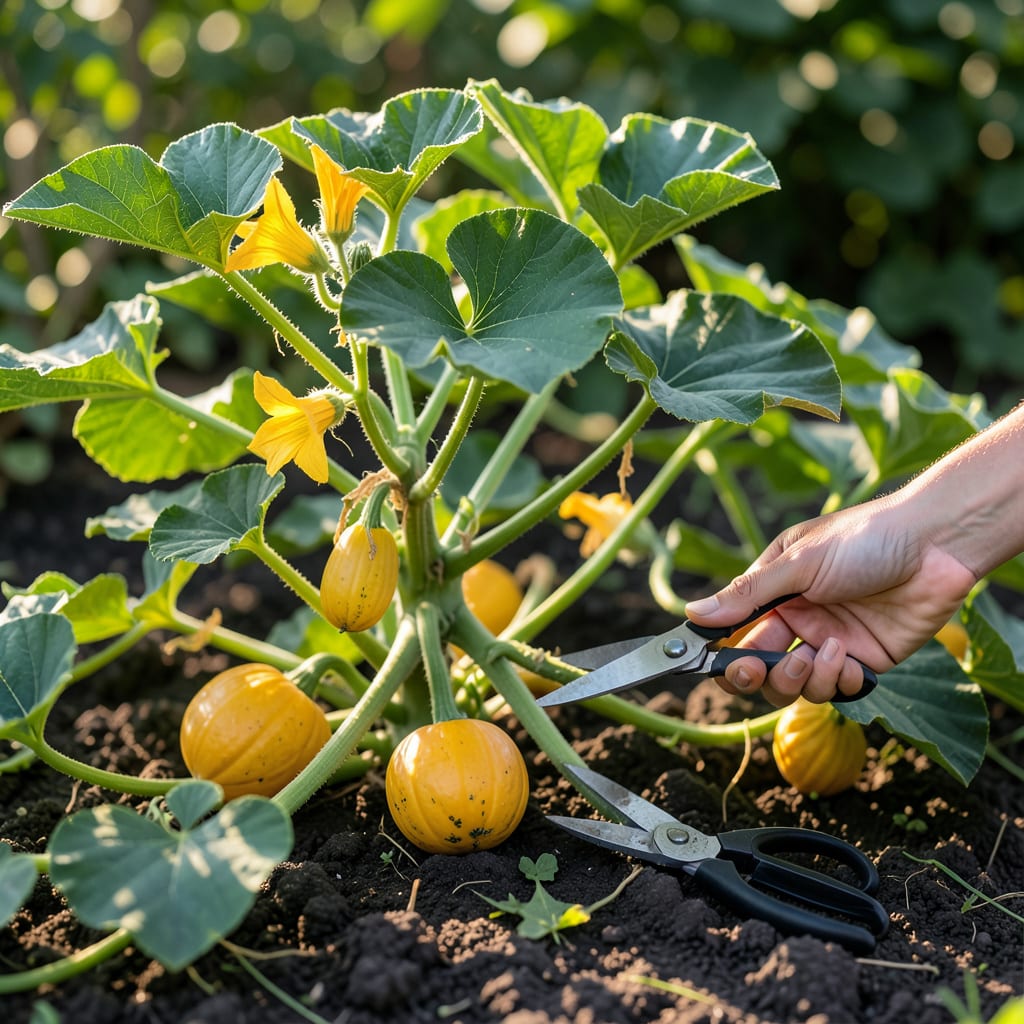
Nothing beats the satisfaction of harvesting perfectly ripe 🎃 Squash from your garden. But how do you know when it’s truly ready?
I’ll show you the simple visual and tactile cues that take the guesswork out of harvesting. From rind hardness to stem condition, these are the key signs every gardener needs to know.


Knowing when to pick squash can be tricky, but there are clear visual and tactile signs to look for. The rind hardness, color depth, and stem condition are your best indicators for peak ripeness.
For summer squash like zucchini, the skin should be shiny and tender, while winter squash like butternut needs a hard, dull rind that resists puncture. Size also matters—most varieties have ideal harvest sizes listed on seed packets.
| Squash Type | Rind Condition | Stem Condition | Color |
|---|---|---|---|
| Zucchini | Tender, shiny | Soft, green | Bright green |
| Butternut | Hard, dull | Dry, woody | Deep tan |
| Acorn | Firm, matte | Brown, tough | Dark green |
I always check the thumbnail test for winter squash—if you can’t puncture the rind with your thumbnail, it’s ready. For summer squash, harvest when the skin is still easily scratchable but the fruit is firm.
The stem condition is another giveaway. A dry, brown stem on winter squash means it’s mature, while summer squash often still has a moist stem when ready. Don’t wait for the stem to dry completely on summer varieties.
Color consistency is key. Winter squash should have a deep, uniform color, while summer squash like yellow crookneck should be vibrant and even. Any green streaks on winter squash usually mean it needs more time.
Size varies by type, but most zucchini are best at 6-8 inches, while butternut squash should be 8-12 inches long. Always refer to your seed packet for exact measurements.
I’ve found that vines dying back is a late sign for winter squash. If the plant leaves are turning brown and crispy, the squash is likely ready. But don’t wait too long—overripe squash can become stringy or bland.
For pumpkins and other large winter squash, the ground spot (where it touches the soil) should turn from white to orange or cream. This is a sure sign of ripeness that many gardeners overlook.
Finally, always use pruning shears or a sharp knife to harvest. Never pull squash from the vine, as this can damage the plant and reduce future yields. Leave a 1-2 inch stem on winter squash to prevent rot.
With these signs in mind, you’ll never wonder when to pick squash again. Happy harvesting! 🌱
The thumbnail test is my go-to for checking rind hardness on winter squash. Press your thumbnail into the skin—if it resists puncture, the squash is ready to harvest.
For summer squash, the skin should be tender enough to scratch with your fingernail but still firm to the touch. This indicates peak ripeness without being overmature.
To check the stem condition, gently lift the squash and examine where it attaches to the vine. A dry, woody stem means it’s mature, while a green, moist stem needs more time.
For summer squash, the stem may still be slightly green when ready. Don’t wait for it to dry completely, or the fruit may become oversized and seedy.
I always use pruning shears to cut the stem, leaving 1-2 inches attached. This prevents damage to the plant and helps the squash store longer after harvest.
Remember, these tests work best when combined. A hard rind with a dry stem and deep color is the trifecta for perfect squash every time. ✂️
Harvesting squash at the wrong time is a common gardening mistake that can ruin your crop. Picking too early results in underdeveloped flavor, while waiting too long leads to tough, stringy flesh. 🌱
Another frequent error is pulling squash from the vine instead of cutting. This can damage the plant and reduce future yields. Always use pruning shears or a sharp knife.
I’ve also seen gardeners mishandle squash during harvest, leading to bruising or cuts. Always support the fruit with one hand while cutting the stem with the other.
For winter squash, don’t harvest if the vines are still green. Wait until they start dying back for the best flavor and storage life. This is especially true for butternut and acorn squash.
Storage mistakes are another issue. Winter squash needs a cool, dry place to cure for 1-2 weeks before long-term storage. Summer squash should be used within a week for best quality. 🌿
Press your thumbnail into the rind. If it resists puncture, winter squash is ready. For summer types, it should be tender but firm.
A dry, brown stem means winter squash is ripe. Summer squash stems may still be slightly green when ready. Never wait for summer stems to dry completely.
Yes! Zucchini are best at 6-8 inches, while butternut should reach 8-12 inches. Always check your seed packet for exact sizes.
Underripe squash has poor flavor and texture. It may also be small and underdeveloped. Wait for the rind and color to fully mature.
