
Beautiful Plants For Your Interior
Beautiful Plants For Your Interior
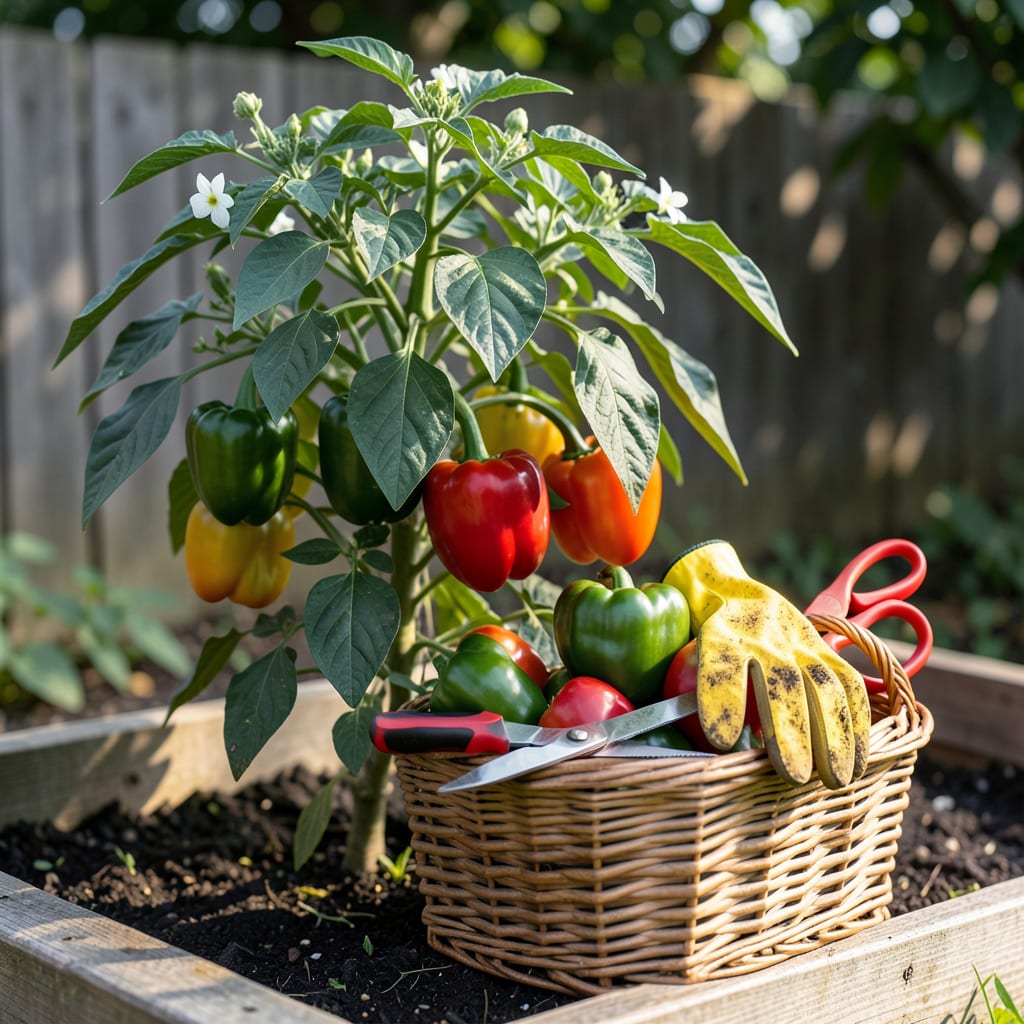
There’s nothing quite like the satisfaction of plucking a perfectly ripe 🌶️ pepper from your garden—only to realize too late it wasn’t ready. That split-second timing can make or break your harvest’s flavor and yield.
I’ve learned the hard way that color isn’t always the only clue. Whether you’re growing sweet bells or fiery habaneros, I’ll show you the foolproof signs to look for. No more guessing games—just juicy, vibrant peppers every time.


Nothing beats the thrill of watching your pepper plants transform from tiny seedlings to fruit-laden powerhouses. But knowing exactly when to harvest can feel like decoding a secret language. I’ve spent years perfecting this skill, and let me tell you—color is just the beginning.
Each pepper variety has its own telltale signs of ripeness. Bell peppers might turn from green to red, while jalapeños develop those signature cracks called “corking.” Let’s break down what to look for in your garden’s star performers.
| Variety | Immature Color | Mature Color | Size at Harvest | Texture Cue |
|---|---|---|---|---|
| Bell Pepper | Green | Red, Yellow, Orange | 3-4 inches | Firm with slight give |
| Jalapeño | Green | Red (if left long) | 2-3 inches | Corking lines appear |
| Habanero | Green | Orange, Red | 1-2 inches | Glossy, waxy skin |
| Poblano | Dark Green | Red (if matured) | 4-6 inches | Thick, leathery feel |
*Harvest times vary by climate. Check seed packets for days to maturity specific to your region.
For bell peppers, I always wait until they’ve reached their full mature color. That green bell might look ready, but it’s actually underripe! The sweetness increases dramatically when allowed to turn red, yellow, or orange. Give them time—your taste buds will thank you.
Hot peppers like jalapeños and serranos are trickier. Those white stretch marks (corking) aren’t flaws—they’re signs of maturity! The more corking, the hotter the pepper. For maximum heat, let them turn red. For milder flavor, harvest when green with some corking.
The stem test is my secret weapon. Gently press where the pepper meets the stem. If it snaps off easily with a slight twist, it’s ready. If you’re wrestling with it, give it more time. This works for all varieties and prevents damaging the plant.
Don’t forget the gloss factor! Ripe peppers have a shiny, almost waxy appearance. Dull skin means it’s not ready. I like to compare peppers on the same plant—you’ll notice the ripe ones practically glow compared to their immature neighbors.
Size matters more than you think. While color gets all the attention, full-size peppers are crucial. A tiny red habanero might look ripe, but if it’s not reached its expected 1-2 inch diameter, the flavor won’t be fully developed. Always cross-check size with color.
Here’s a pro tip: Harvest in the morning when peppers are most crisp. The cooler temps help them retain moisture, giving you that perfect crunch. I keep a small basket in my garden toolkit specifically for pepper harvests—it prevents bruising those delicate skins.
Remember that pepper plants are like gift that keeps giving. The more you harvest (properly!), the more they’ll produce. I’ve had plants that kept pumping out peppers until the first frost by using this method. Just be sure to leave a 1-inch stem when cutting to avoid plant damage.
If you’re growing ornamental peppers, the rules change slightly. These beauties are often bred for looks over taste, so harvest when they’re most vibrant for your arrangements. Their thin walls make them perish faster, so I recommend picking them at peak color and using them within days.
Still unsure? Do the taste test—sample one pepper from the plant. If it’s sweet (for bells) or has the right heat level (for chiles), the rest are likely ready. This is especially helpful with heirloom varieties that might not follow standard color rules. Your palate is the ultimate judge!
🌶️After years of growing peppers, I’ve seen even experienced gardeners make critical harvesting mistakes that sabotage their crops. The worst part? These errors often go unnoticed until it’s too late. Let’s expose the three most damaging habits so you can steer clear.
First up: picking too early. I get it—the excitement of seeing that first pepper is overwhelming. But harvesting before full ripeness means missed sweetness in bells or underdeveloped heat in chiles. Those extra days make all the difference in flavor complexity.
⚠️ Harvest Hazard Alert!
Mistake: Using dull scissors or pulling peppers by hand
Why It’s Bad: Crushed stems invite disease and reduce future yields
Fix: Use clean pruners and leave 1/2-inch stem attached
Bonus: Sterilize tools with rubbing alcohol between plants
The second big blunder is harvesting at the wrong time of day. Picking peppers during midday heat leads to wilted, stressed plants. I always harvest in the early morning when plants are hydrated and peppers are crispest. This simple timing shift can extend your harvest window by weeks.
Here’s a mistake that surprises most gardeners: ignoring the “ugly” peppers. Those misshapen or slightly blemished peppers are often the most flavorful! I’ve found that imperfect peppers frequently have thicker walls and more concentrated flavors. Don’t judge a pepper by its cover—taste tests reveal the truth.
The final cardinal sin? Not rotating your harvest. Many gardeners pick all ripe peppers at once, stressing the plant. Instead, I harvest every 3-4 days, taking only the most mature peppers each time. This staggered approach keeps plants productive longer and prevents overwhelming gluts of peppers.
Remember that pepper plants are sensitive to rough handling. I once ruined an entire habanero plant by yanking peppers instead of cutting them. The stems became vulnerable to fungal infections, and production plummeted. Now I treat each pepper like a delicate flower—gentle twisting or clean cuts only.
🌶️You’ve picked your peppers—now what? The secret to a bountiful pepper harvest lies in what you do after that first cut. I’ve discovered that with the right post-harvest care, my plants keep producing 30-50% more peppers than neglected ones. Let’s turn your plants into pepper factories!
The first step is immediate fertilization after harvesting. I use a balanced 5-10-10 fertilizer within 24 hours of picking. This replenishes nutrients lost during fruit production and signals the plant to keep flowering. Think of it as giving your plant an energy drink to power through the next round.
🌱 4 Post-Harvest Power Moves
Here’s my game-changing trick: the “one-third rule”. Never harvest more than one-third of the peppers from a plant at once. This prevents shocking the system and ensures continuous production. I mark harvest dates on my calendar to track each plant’s recovery time—usually 5-7 days between major picks.
For late-season peppers, watch the weather like a hawk. When nights dip below 50°F, I cover plants with floating row covers to extend the season by 2-3 weeks. This simple protection can mean the difference between a final harvest and losing peppers to early frost. My record? Harvesting habaneros until mid-October in Zone 6!
The stem-cutting technique you use matters more than you think. Always leave a 1/2-inch stem attached to the plant. This tiny stub protects the growing point where new peppers form. I use sharp bypass pruners (never anvil-style) and wipe blades with rubbing alcohol between plants to prevent disease spread.
🌶️Harvesting too soon means missing out on full flavor development. Underripe peppers often taste bland or bitter, especially in sweet varieties. For hot peppers, early picking results in milder heat than the plant’s potential.
Bell peppers develop up to 30% more sweetness when left to fully ripen. Hot peppers gain heat intensity in their final days. Always check for full color and slight softness before picking.
Yes, but the effects vary by type. Bell peppers become overly soft and may develop bitter notes. Hot peppers often get too spicy and can start losing moisture, making them wrinkled.
Most varieties stay good on the plant for 3-5 days past peak ripeness. Check daily once they reach full color. Overripe peppers also signal the plant to slow new fruit production.
Always use clean pruners for the healthiest plants. Twisting can damage stems and create entry points for disease. Make a clean cut leaving 1/2-inch of stem attached to the plant.
For delicate varieties like habaneros, support the branch with one hand while cutting. Morning harvesting works best when plants are well-hydrated. This method prevents stem breakage and encourages more production.
No—color varies dramatically by variety. Bell peppers might turn yellow, orange, or purple when fully ripe. Jalapeños often stay green even when mature, though they’ll turn red if left longer.
Always check your seed packet for the expected mature color. When in doubt, look for glossy skin and full size as additional ripeness indicators. The color chart in our main guide covers common varieties.
Some varieties will continue ripening off the vine, especially if they’ve started changing color. Place them in a paper bag at room temperature to speed the process. Check daily for color development.
However, flavor development stops once picked. For best taste, allow peppers to ripen fully on the plant when possible. Green bell peppers won’t get sweeter after picking, though they may turn red.
