
Beautiful Plants For Your Interior
Beautiful Plants For Your Interior
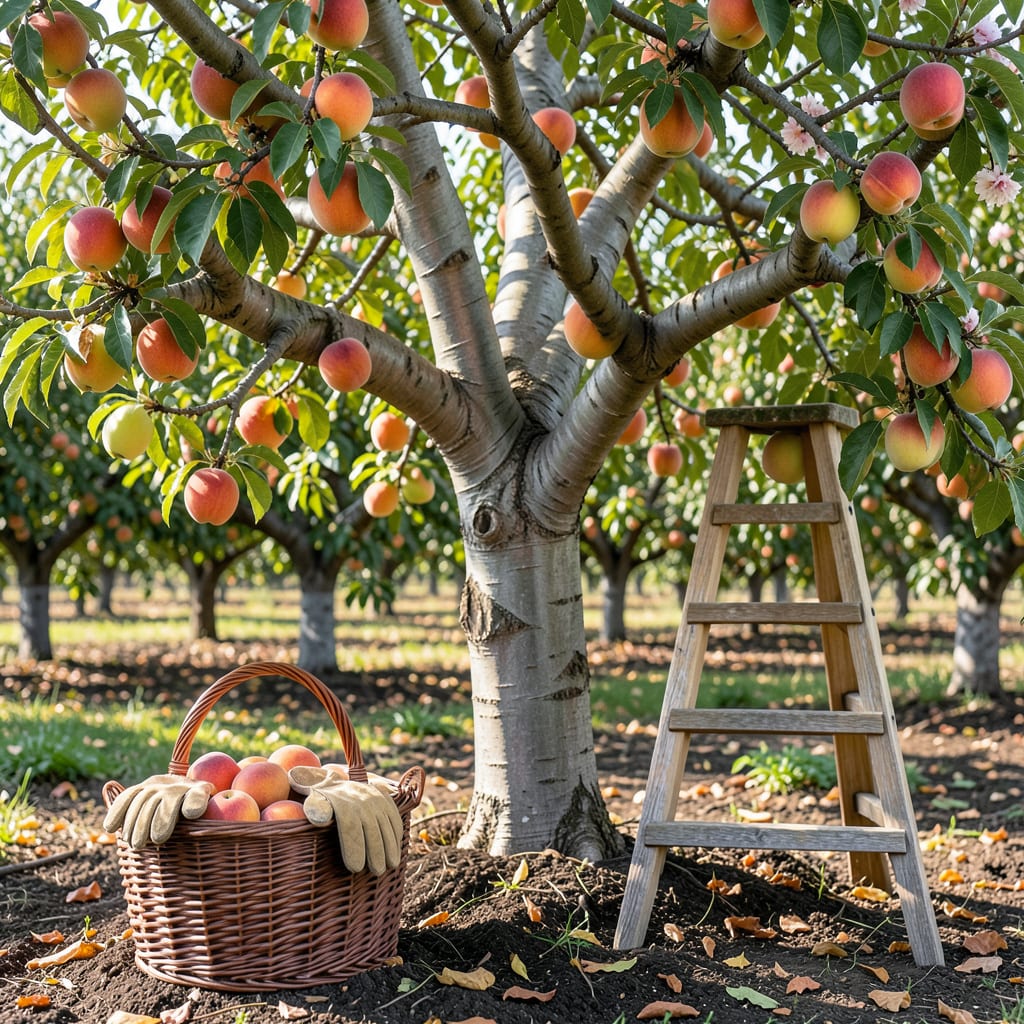
There’s nothing worse than sinking your teeth into a peach only to find it hard as a rock or mushy beyond salvation. That perfect moment of ripeness? It’s a fleeting window—miss it, and you’re stuck with fruit that’s either sour or overripe.
After years of trial (and error) with my own trees, I’ve nailed down the 5 foolproof signs that tell you your 🍑 peaches are ready to pick. No guesswork, no wasted harvest—just juicy, sun-warmed sweetness every time. Here’s exactly what to look for.


Timing is everything when harvesting peaches. Pick too early, and you’ll get hard, sour fruit that never ripens properly. Wait too long, and you’re left with mushy, overripe peaches that attract pests. The secret? Learning to read your tree’s subtle signals.
I’ve spent seasons watching my peach trees, and I’ve found that five key indicators—color, texture, aroma, size, and stem behavior—reveal the perfect harvest window. Let’s break down each one so you can confidently pluck peaches at their sweet, juicy peak.
| Ripeness Sign | What to Look For | Variety Notes |
|---|---|---|
| Color Shift | Deep golden-orange blush (not green) | Freestone: More red; Clingstone: Yellow undertones |
| Texture | Slight give when pressed near stem | Firm = unripe; soft = overripe |
| Aroma | Sweet, floral scent at stem end | Strongest in mid-morning sun |
| Size | Reaches expected diameter (2.5–3″) | Check variety specs (e.g., ‘Redhaven’ = 2.75″) |
| Stem Twist | Fruit separates easily with gentle twist | If resistant, wait 1–2 more days |
The color transformation is your first clue. Most peaches shift from green to golden-yellow, with red or pink blushes developing on the sun-exposed side. But here’s the catch: some varieties (like ‘White Lady’) stay pale even when ripe. Always pair color with other tests.
Next, the gentle squeeze test. Place your palm under the peach and apply light thumb pressure near the stem. A ripe peach will yield slightly—think of pressing a just-inflated basketball. If it’s rock-hard, it needs more time; if your finger sinks in, it’s overripe.
The aroma test is my personal favorite. Lean in and sniff near the stem: a sweet, floral fragrance means it’s ready. No smell? It’s not ripe yet. Pro tip: Warmth intensifies aroma, so check peaches in the late morning sun for the truest scent.
Size matters more than you think. Peaches stop growing when ripe, so compare yours to the expected diameter for your variety (usually 2.5–3 inches). If they’re undersized, they’re not ready—even if the color looks right. Overly large peaches may be waterlogged from rain.
The stem twist test is the final confirmation. Cup the peach in your hand and give it a gentle twist. If it releases with minimal effort, it’s ripe. If it clings stubbornly, wait another 24–48 hours. Never yank—this damages the tree and next year’s fruit buds.
Remember, climate plays a role. In hot, dry regions, peaches may ripen 5–7 days faster than in cooler areas. After a heavy rain, wait an extra day—excess water can dilute sugars and delay true ripeness. When in doubt, test a single peach first!
One common mistake? Assuming all peaches on a tree ripen uniformly. In reality, sun-exposed fruit ripens first, while shaded peaches may lag by 2–3 days. Harvest in stages, starting with the top and outer branches where sunlight is strongest.
If you’re growing clingstone peaches (where the pit clings to the flesh), they often need an extra day or two compared to freestone varieties. The flesh should pull away slightly from the pit when cut—if it’s glued tight, it’s not fully ripe yet.
🍑Once you’ve checked the visual cues, it’s time to get hands-on. The touch and smell tests are my go-to methods for confirming ripeness—especially when color alone isn’t enough. A peach might look ready, but if it feels like a baseball or smells like nothing, it’s not.
Start with the gentle pressure test. Cradle the peach in your palm and press near the stem with your thumb. You’re looking for a subtle yield—like pressing a ripe avocado. Too firm? It needs more time. Too soft? It’s past its prime. This test works best for freestone varieties.
Pressing too aggressively bruises the fruit and can lead to premature spoilage. Use just enough pressure to feel the flesh give slightly—like testing a pillow’s firmness. If you leave fingerprints, you’ve pressed too hard.
The aroma test is just as critical. Hold the peach near your nose and inhale deeply. A ripe peach smells sweet and floral, almost like a mix of honey and roses. No scent? It’s not ready. A fermented or sour smell means it’s overripe or damaged.
For the most accurate results, combine both tests. A peach that yields slightly to pressure and has a strong, sweet aroma is at peak ripeness. If only one test passes, give it another 12–24 hours on the tree. Morning is the best time to test—cool temps make aromas more noticeable.
Here’s a pro trick: Listen to the peach. Gently tap it with your fingernail. A ripe peach emits a dull, hollow thud, while an unripe one sounds solid and dense. This works especially well for clingstone varieties, which can be trickier to judge by touch alone.
Remember, some peaches (like ‘Donut’ or ‘Saturn’ varieties) ripen differently. They often stay firmer and may not develop a strong aroma. For these, rely more on color and stem separation. When in doubt, pick one test peach and taste it—your palate won’t lie!
🍑Watching peaches progress from hard green orbs to juicy, sun-kissed gems is one of summer’s great joys. But knowing exactly when to pick them? That’s where many gardeners get tripped up. The journey from underripe to overripe happens surprisingly fast—sometimes in just 3–5 days.
I’ve tracked this transformation countless times, and there are three distinct stages every peach goes through. Missing the sweet spot means either tart disappointment or a race to use mushy fruit before it spoils. Here’s how to spot each phase—plus how to salvage peaches that tip into overripe territory.
Firm as a baseball, with dull green or pale yellow skin. No aroma, and the stem clings tightly. If picked now, the flesh will be tart and mealy—it won’t ripen properly off the tree. Wait 3–7 days and retest.
Golden-orange blush, sweet floral aroma, and a slight give when pressed. The stem separates with a gentle twist, and the flesh near the pit is juicy but not mushy. This is your 24–48 hour window—harvest now for peak flavor!
Deep red or spotted skin, strong fermented smell, and flesh that dented with minimal pressure. The fruit may drop from the tree on its own. Salvage these by removing bruised spots and using immediately for preserves or smoothies.
Here’s the trick: Monitor daily once color starts changing. A peach can go from underripe to overripe in less than a week, especially in hot weather. I check mine every morning and evening during harvest season, using the stem twist test as my final confirmation.
If you’re dealing with a heatwave, peaches may ripen 2–3 days faster than usual. Conversely, after heavy rain, they might need an extra day for sugars to concentrate. Always taste-test one peach from different areas of the tree—sun-exposed fruit ripens first, while shaded peaches lag behind.
For clingstone varieties (like ‘Sanguinole’), the flesh clings tightly to the pit even when ripe. Cut one open: if the flesh is pale near the pit, it needs more time. Freestone peaches (like ‘Elberta’) should pull away cleanly from the pit when fully ripe. When in doubt, harvest in the cool morning—fruit picked then stays fresher longer.
🍑This usually means they’re overripe internally despite green skin. Heavy rain or sudden heat can cause this. Check the stem end—if it’s soft or leaking juice, the fruit is past its prime. Use these immediately for jams or baking.
Peaches don’t ripen well off the tree like some fruits. They may soften but won’t develop full sweetness. If you must harvest early (due to storms or pests), place them in a paper bag at room temp for 1–2 days to concentrate sugars slightly.
Sun exposure and branch location cause this variation. Fruit on sunny, outer branches ripens 2–3 days earlier than shaded inner peaches. Harvest in stages, starting with the most sun-exposed fruit first.
For white or pale peaches (like ‘Babcock’), skip color checks. Focus on aroma (sweet floral scent), texture (slight give near stem), and the twist test. These varieties often stay pale even when perfectly ripe.
Early morning is ideal—fruit is crispest and sugars are most concentrated. Avoid midday heat, when peaches can become overly soft. If harvesting for storage, pick in the cool morning and refrigerate within 2 hours.
