
Beautiful Plants For Your Interior
Beautiful Plants For Your Interior
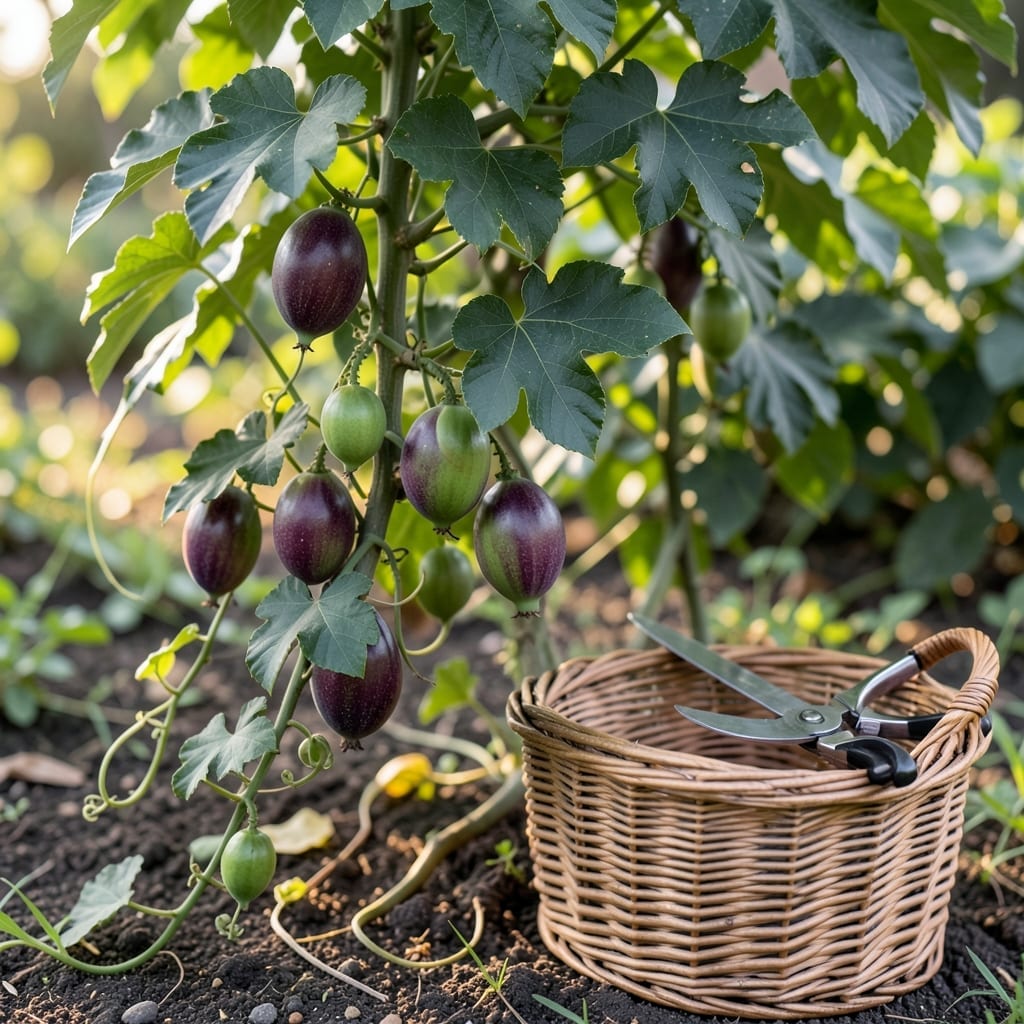
Nothing beats the sweet-tart flavor of a perfectly ripe 🧡 Passion Fruit, but picking one too early—or too late—can ruin the experience.
I’ve learned the hard way that timing is everything with this tropical fruit. One simple trick can mean the difference between a bland bite and an explosion of flavor.
Discover the telltale color and texture signs to harvest or buy Passion Fruit at its peak ripeness every time.


I’ve found that color transformation is the first clue. For purple varieties, watch as the skin shifts from bright green to a deep, rich purple. Yellow types turn from pale to golden as they ripen under the sun.
Another dead giveaway is the skin wrinkling. A ripe passion fruit develops a slightly shriveled appearance, which actually concentrates the sweetness. Don’t mistake this for spoilage—it’s nature’s way of telling you it’s ready.
| Ripeness Sign | Visual Indicator |
|---|---|
| Color Change | Purple varieties turn deep purple; yellow types turn golden |
| Skin Texture | Slightly wrinkled or dimpled surface |
| Stem Condition | Dries out and turns brown |
| Fruit Drop | Naturally detaches from the vine |
The stem drying is another reliable indicator. When the stem turns from green to brown and shrivels, it’s a clear sign the fruit is ready to pick. This happens as the fruit matures and separates from the vine’s nutrient supply.
I always check for the fruit drop too. In my garden, the ripest passion fruits often fall to the ground naturally. If you’re growing your own, collect these first—they’re usually at peak ripeness.
For those buying from stores, look for fruits with a slightly soft feel under gentle pressure. Avoid hard fruits, as they’re underripe, or overly mushy ones, which may be past their prime.
The aroma test works wonders. A ripe passion fruit emits a strong, sweet, tropical fragrance. If you can smell it through the skin, you’ve found a winner. This scent intensifies as the fruit reaches perfect ripeness.
Remember that variety matters. Yellow passion fruits, like the Golden Giant, may look different from purple types but follow the same ripening principles. The color just needs to deepen from its immature shade.
I’ve noticed that evening light can enhance the color change visibility. Check your fruits in the late afternoon when the sun casts a warm glow, making the ripeness signs more obvious to the eye.
Finally, don’t rush the process. Passion fruits ripen best when left on the vine until fully mature. Picking too early means missing out on the full flavor development that makes this fruit so special. 🌿
After checking the visual signs, I always rely on the touch test for confirmation. Gently squeeze the fruit—it should yield slightly, like a ripe avocado, but not feel mushy or soft all over.
A ripe passion fruit will feel heavy for its size, indicating juicy pulp inside. Compare a few fruits to notice the weight difference. Underripe ones feel lighter and hollow.
The shake test is my favorite trick. Hold the fruit to your ear and shake it gently. If you hear the seeds rattling inside, it’s a sure sign the pulp has softened and separated from the rind.
Avoid pressing too hard, as this can bruise the fruit. I’ve learned that finger indentations mean it’s overripe. The ideal passion fruit should spring back slightly when pressed, not retain a dent.
For store-bought fruits, I always check the stem area. If it’s still green and firm, the fruit needs more time. A brown, dry stem combined with slight give means it’s ready to enjoy.
Remember that temperature affects texture. Cold passion fruits feel harder, so let them sit at room temperature for a few hours before testing. This makes the ripeness signs more accurate. 🌱