
Beautiful Plants For Your Interior
Beautiful Plants For Your Interior
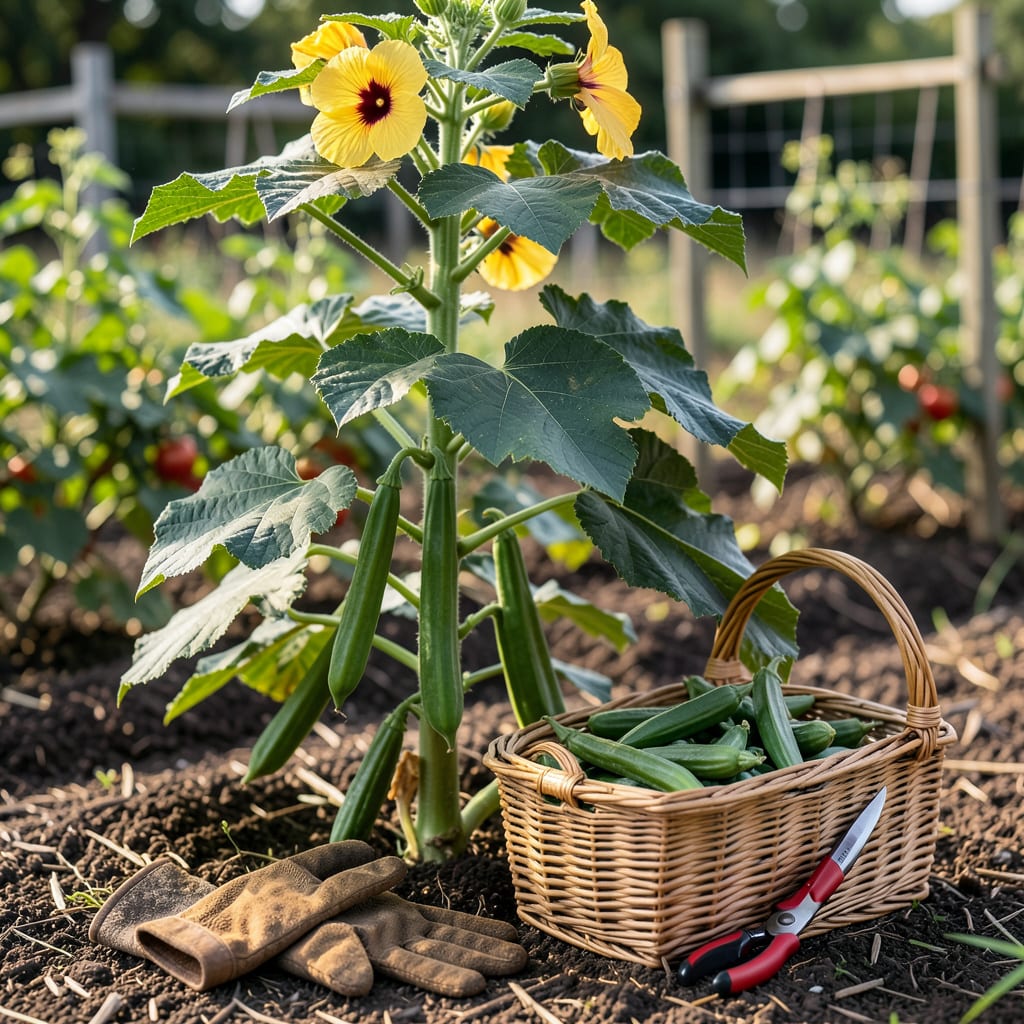
That moment when you’re staring at your 🌿 okra plants, wondering: Is it ready yet? Pick too soon, and you’ll miss out on flavor. Wait too long, and you’re left with tough, inedible pods that could’ve been perfect.
I’ve been there—standing in the garden with a basket, second-guessing every pod. But here’s the good news: okra gives you clear signals when it’s at peak tenderness. Let me show you the 5 unmistakable signs so you’ll never question your harvest timing again.


Timing is everything with okra. Those bright green pods can go from perfectly tender to tough and stringy in just 24 hours. I’ve learned the hard way that waiting even one extra day can ruin your harvest. Here’s how to spot the perfect picking window every time.
Okra doesn’t ripen like tomatoes—it grows quickly and becomes fibrous if left too long. The key is checking your plants every other day once pods appear. Look for these five foolproof signs to guarantee tender, flavorful okra. Let’s break them down one by one.
I always carry a small knife or pruners to avoid damaging the plant. Cut pods just above the cap where they meet the stem. Never yank them—this can harm the plant and reduce future yields. Morning is the best time to harvest when pods are crisp and hydrated.
Here’s a trick I swear by: Harvest every 2–3 days during peak season. Okra grows fast, and frequent picking encourages the plant to produce more pods. Miss a few days, and you’ll end up with oversized, inedible pods that drain energy from the plant.
If you’re growing red okra varieties like Burgundy, the rules change slightly. These pods stay tender at slightly larger sizes (up to 7 inches) and turn deep red when ready. The snap test still applies—don’t rely on color alone.
New gardeners often ask: “Can I eat overgrown okra?” Technically yes, but you’ll need to peel the tough outer layer or use it for stews where texture matters less. For fresh eating, stick to the 4–6 inch rule for the best flavor and tenderness.
Remember, okra plants are prolific producers. One healthy plant can yield 20–30 pods per season if harvested regularly. Don’t let overripe pods linger—they signal the plant to slow production. Stay on top of picking, and you’ll enjoy a steady supply.
Still unsure? Try the “thumbnail test”: Scratch the pod lightly with your nail. If it leaves a mark, it’s ready. No mark means it’s too tough. This works even if you’re colorblind or harvesting in low light.
Pro tip: Wear gloves when harvesting. Okra’s tiny spines can irritate sensitive skin. I keep a pair of light gardening gloves in my basket for this exact reason. It makes the whole process more enjoyable—and itch-free!
Now that you know the signs, grab your basket and head to the garden. Those perfect okra pods won’t wait forever! Check your plants daily during peak season, and you’ll master the art of timing in no time. 🌿
Not all okra varieties follow the same harvest rules. While the classic 4-6 inch guideline works for most, some types need special attention. I’ve grown everything from Clemson Spineless to Red Burgundy, and each has its quirks.
Timing varies by variety, climate, and even soil conditions. What works for a 60-day Emerald in Texas might differ for the same plant in Michigan. That’s why I created this quick-reference table—so you’ll know exactly when to pick based on what you’re growing.
| Variety | Days to Maturity | Ideal Pod Size | Harvest Window | Flavor Profile |
|---|---|---|---|---|
| Clemson Spineless | 56-60 days | 4-5 inches | 3-5 days after flowering | Mild, slightly sweet |
| Emerald | 50-55 days | 3-5 inches | 2-4 days after flowering | Crisp, nutty |
| Red Burgundy | 60-65 days | 5-7 inches | 4-6 days after flowering | Earthy, robust |
| Jambalaya | 55-60 days | 4-6 inches | 3-5 days after flowering | Tender, buttery |
| Annie Oakley II | 52-56 days | 3-4 inches | 2-3 days after flowering | Extra tender, mild |
The Annie Oakley II variety matures fastest, so check it daily once flowers appear. I once lost an entire batch by waiting just 24 hours too long—those delicate pods turned fibrous overnight. Lesson learned: set phone reminders!
For red okra varieties, color isn’t always reliable. A deep burgundy pod might still be tender, while a lighter red one could be overripe. Always use the snap test as your final check. I keep a small ruler in my gardening apron for quick size verification.
Climate affects timing too. In hotter zones, okra matures faster—sometimes in as little as 48 hours after flowering. Cooler areas may extend the window to 5-7 days. Watch your plants, not just the calendar.
Pro tip: If you’re growing multiple varieties, use colored plant tags to mark harvest windows. I color-code mine—green for 3-day varieties, yellow for 5-day, and red for 7-day. This visual system prevents mix-ups during busy harvest seasons.
Remember, frequent harvesting keeps plants productive. I aim to pick every 2-3 days during peak season. Skipping even one harvest cycle can reduce yields by 30% as the plant diverts energy to seed production instead of new pods.
Still unsure about your variety? When in doubt, pick a test pod and slice it open. The inner flesh should be pale green and juicy. If it’s dry or stringy, you’ve waited too long. Adjust your timing for the next harvest. 🌱
Waiting just one extra day can turn your okra from tender to tough. I’ve made this mistake more times than I’d like to admit—those beautiful pods transform into woody, inedible sticks almost overnight. Let’s break down what happens and how to salvage your harvest.
When okra pods stay on the plant too long, they become fibrous and bitter. The plant thinks its job is done and starts focusing on seed production instead of making new pods. This means fewer future harvests and wasted garden space.
If you’ve already got overgrown pods, don’t toss them! You can still peel the tough outer layer to reveal the softer inner flesh. Use these for soups or stews where texture matters less. For seed saving, let pods turn completely brown and dry on the plant.
To prevent future mistakes, set a phone reminder to check plants every 2-3 days during peak season. I mark my calendar the day flowers open—this gives me a 3-5 day countdown to harvest. Morning checks work best since pods are crispest after cool nights.
Remember, okra grows incredibly fast in warm weather. What looks perfect today might be inedible tomorrow. When in doubt, pick it! You can always test a pod’s tenderness by slicing it open—the flesh should be juicy and pale green, not dry or stringy. 🌿
During peak season, check your plants every 2-3 days. Okra grows incredibly fast in warm weather, and pods can go from perfect to overripe in just 24 hours. Morning checks are ideal since pods are crispest after cool nights.
Use sharp pruners or scissors to avoid damaging the plant. Cut pods just above the cap where they meet the stem—never yank them. I keep a small pair in my gardening basket for quick, clean harvests.
Yes! Peel the tough outer layer to reveal softer inner flesh, perfect for soups or stews. For seed saving, let pods dry completely on the plant until brown. Overripe pods aren’t wasted—they’re just better suited for cooking methods where texture matters less.
Red Burgundy stays tender at 5-7 inches, while Annie Oakley II is best at 3-4 inches. Always use the snap test as your final check, especially with colored varieties where appearance can be misleading.
Overripe pods signal the plant to focus on seed production instead of new growth. A single missed harvest can reduce yields by 25-30%. Stay consistent with picking to keep your plant productive all season long.
