
Beautiful Plants For Your Interior
Beautiful Plants For Your Interior
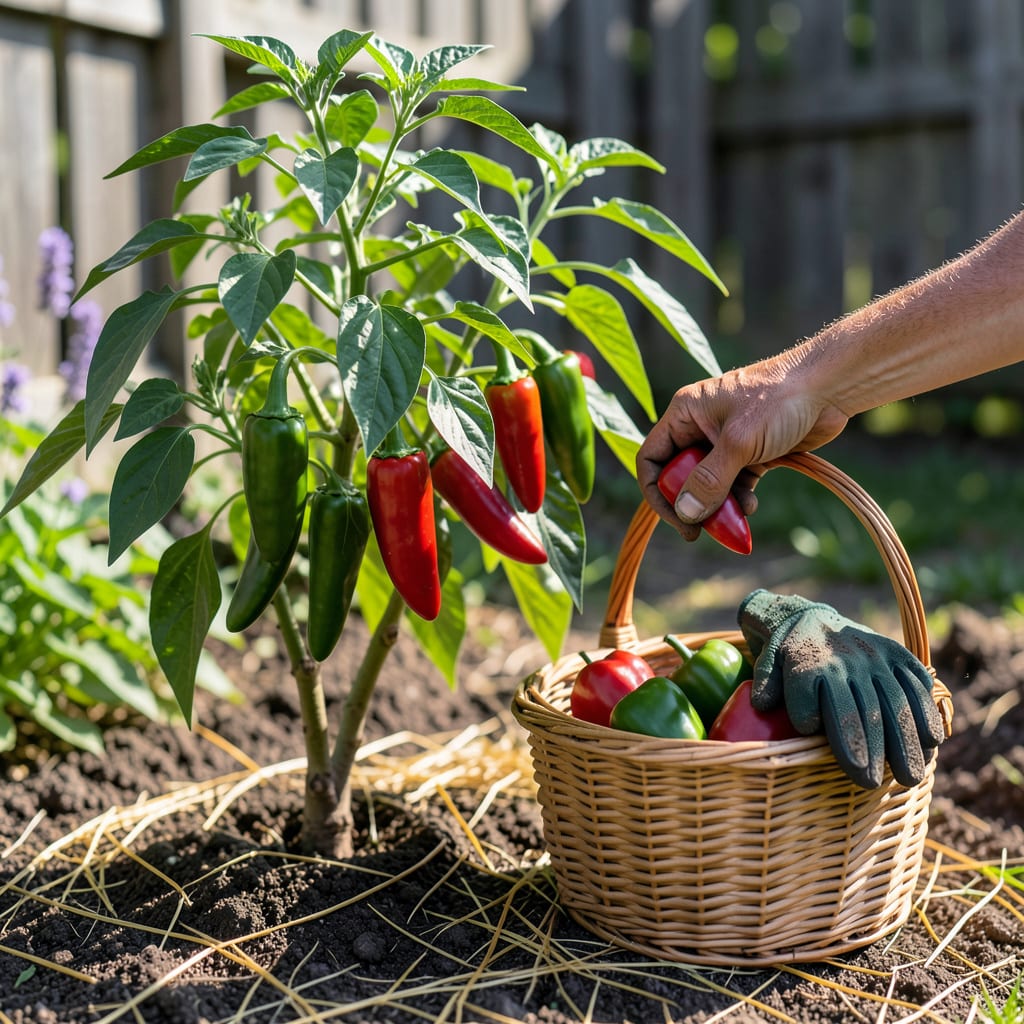
There’s nothing worse than waiting months for your 🌶️ jalapeños to ripen—only to pick them too soon or too late. That perfect balance of heat and crunch hinges on timing, and missing it means bland flavors or wasted effort.
I’ve learned the hard way that color and size aren’t the only clues. The real secret? A simple snap test and knowing what to look for before you even touch the plant. Let me show you how to get it right every time—no guesswork required.


After weeks of tending your jalapeño plants, the moment of truth arrives: knowing when to pick. The difference between a perfectly ripe pepper and one that’s underwhelming comes down to three foolproof signs. I’ll walk you through each one—so you never second-guess again.
First, forget the myth that size alone tells the whole story. While 3-5 inches long is ideal, color and texture matter just as much. A deep, glossy green (or vibrant red) paired with a firm feel is your first clue. Let’s break it down visually so you can spot the difference instantly.
Now, here’s where most gardeners go wrong: assuming all green jalapeños are ready at the same time. In reality, peppers on the same plant can mature at different rates. I check mine every 2-3 days once they hit the 3-inch mark to catch them at peak ripeness.
Watch for the glossy sheen—it’s nature’s way of saying, “I’m ready!” Dull skin means the pepper is still developing its oils (and heat). If you’re growing red jalapeños, patience pays off: they’ll turn fully red 7-10 days after the green stage, with double the sweetness.
Pro tip: Harvest in the morning when peppers are crispest. Use clean scissors or pruners to avoid tearing the stem, which invites disease. Twisting by hand works too, but only if the pepper passes the snap test (more on that next).
Ever picked a jalapeño only to find it hollow inside? That’s a sign it stayed on the plant too long. To avoid this, harvest as soon as the color deepens and the skin glistens. If you’re drying or smoking your peppers, wait for the red stage—but pick green for fresh salsas or stuffing.
One last trick: Shake the plant gently. Ripe peppers will feel heavier and may even detach with a light tug. Underripe ones cling stubbornly. This simple test saves me from cutting into unripe peppers every season.
Remember, jalapeños keep producing if you harvest regularly. Leave a few to turn red for seeds or extra heat, but don’t let the plant get overloaded. I aim to pick every 5-7 days during peak season to encourage new growth.
Now that you know the visual and tactile cues, you’re ready to harvest with confidence. Up next, I’ll show you the snap test—the pro move that guarantees you’ll never pick a lackluster jalapeño again. ✂️
You’ve watched your jalapeños grow from tiny buds to plump pods, but how do you know they’re truly ready? The snap test is my go-to trick—it’s foolproof once you learn what to feel for. A ripe pepper should come off the plant with a clean break, not a tug-of-war.
If you pull and the stem resists like a stubborn weed, it’s not ready. Overripe peppers, on the other hand, might detach too easily or feel mushy at the stem. The sweet spot? A crisp snap with just enough resistance to let you know it’s fresh. Think of it like plucking a ripe apple from a tree.
Skip the twisting—it can damage the plant. Instead, use clean pruning shears or sharp scissors to snip the stem ¼ inch above the pepper.
This keeps the plant healthy for future harvests and avoids tearing the branches. Always sanitize tools with rubbing alcohol between cuts to prevent disease.
Timing matters too. I always harvest in the early morning when peppers are most hydrated. If you wait until the heat of the day, they can wilt slightly, making the snap test less reliable. And don’t forget: the longer a jalapeño stays on the plant, the hotter it gets!
Here’s a quick troubleshooting guide: If the pepper bends instead of snaps, it’s underripe. If it crushes under light pressure, it’s overripe. Aim for that Goldilocks moment—firm but not rock-hard, with a stem that releases with a satisfying pop.
For stubborn peppers, try this: Gently twist while pulling upward—this mimics how they naturally detach when ripe. If it still won’t budge, give it 2-3 more days and check the color again. Patience pays off with perfect heat and texture.
Remember, frequent harvesting actually boosts production. The more you pick, the more your plant will flower and set new fruit. So don’t hesitate—once a jalapeño passes the snap test, it’s time to enjoy your spicy reward! 🌱
Not all jalapeños are created equal—especially when it comes to color. The stage you harvest at dramatically changes the flavor, heat, and even how you’ll use them. I’ve found that green jalapeños offer a crisp, grassy heat, while red ones bring smoky sweetness with extra kick.
Most gardeners don’t realize that jalapeños ripen from green to red over time. The trick is deciding which stage suits your needs. Green peppers are typically milder (2,500–8,000 Scoville units), while red ones can climb to 10,000–23,000 Scoville—that’s nearly triple the heat! 🌱
If you’re growing jalapeños for fresh eating, I recommend harvesting at the green stage. They’re crisper and hold their shape better in dishes. But if you’re after maximum heat or plan to dry them, let them turn red. Just remember: red peppers take 10–14 extra days on the plant.
Watch for visual cues: Green jalapeños should be deep emerald with glossy skin, while red ones develop a matte finish when fully ripe. A mix of green and red streaks? That’s the “shoulder stage”—perfect for a balance of flavor and heat. Pro tip: Red jalapeños are sweeter because their sugars concentrate as they ripen.
Don’t wait too long, though. Overripe red peppers can become leathery or bitter. I check mine daily once they start changing color. And here’s a bonus: If you leave a few peppers to turn red, the plant will focus energy on ripening the remaining green ones faster. It’s like telling your plant, “Job well done—now keep it up!” 🌿
Jalapeños typically take 60-90 days from flowering to reach full ripeness. The first peppers usually mature in about 2 months, with later fruits following faster. Check daily once they hit 2-3 inches long—they grow quickly in warm weather!
Small peppers (under 2 inches) lack full flavor and heat. While you can harvest them early, they’ll be milder and less satisfying. Wait until they reach 3-5 inches for that classic jalapeño punch. Patience pays off with better texture too!
All jalapeños start green and turn red when fully ripe—it’s just a matter of timing. Green ones are milder (2,500-8,000 Scoville), while red ones pack more heat (10,000-23,000 Scoville). Leave them longer for extra spice!
Use clean scissors or pruners to snip the stem ¼ inch above the pepper. Avoid twisting, which can break branches. Always harvest in the morning when plants are most hydrated for easiest removal.
Once peppers reach 2 inches, check them every 2-3 days. They ripen quickly in hot weather! Daily checks prevent overripening. Morning is best—the peppers are firmest after cool nights.
