
Beautiful Plants For Your Interior
Beautiful Plants For Your Interior
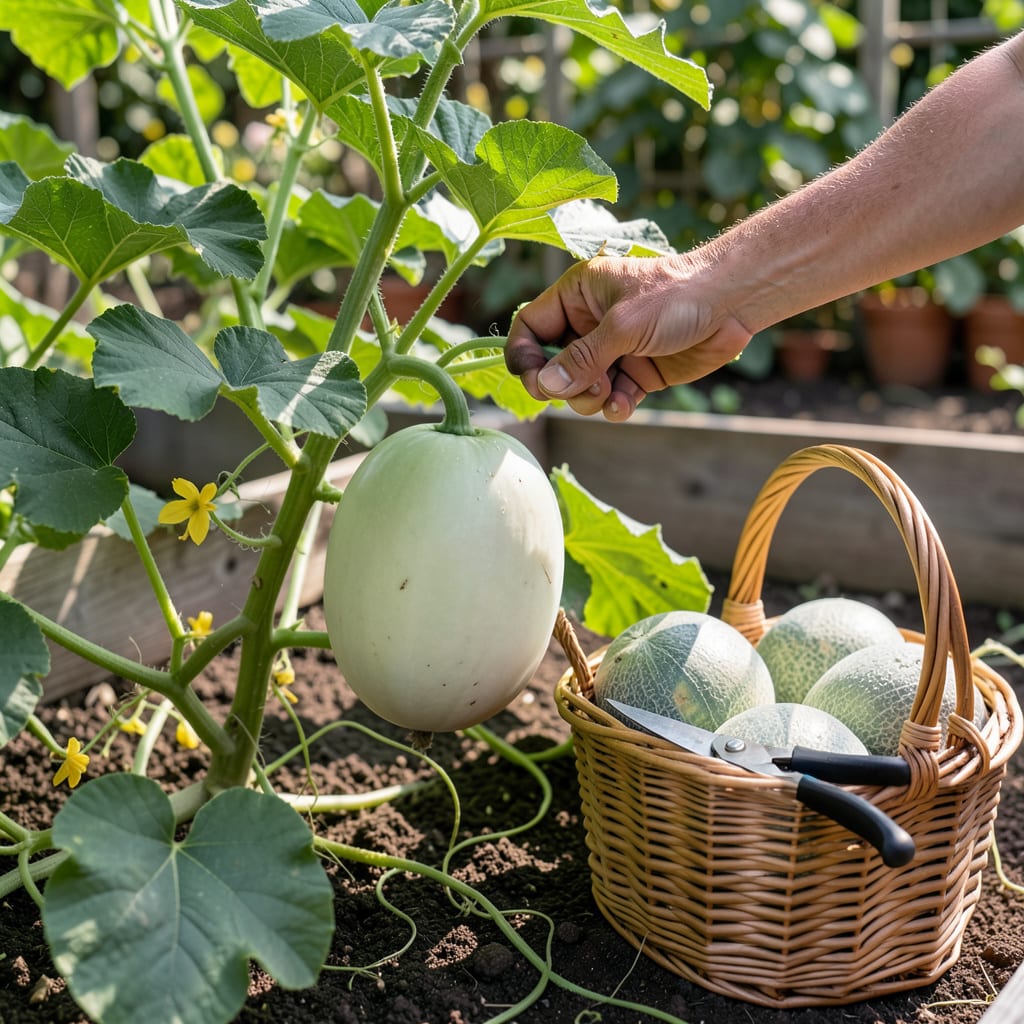
Nothing beats the disappointment of cutting into a honeydew that’s still rock-hard—or worse, mushy and overripe. After months of tending your vines, one simple test ensures you harvest at peak sweetness: the blossom end softness check.
I’ve wasted too many 🍈 melons guessing by color or thumping like an old wives’ tale. The pros don’t rely on luck—they press the opposite end of the stem for a subtle give. Let me show you how to nail the timing every season, plus the backup signs that confirm it’s ready.


If you’ve ever sliced into a honeydew melon only to find it bland or grainy, you know timing is everything. Unlike store-bought fruit, homegrown honeydew won’t ripen further once picked—so nailing the harvest window is critical. The blossom end softness test is my go-to method for perfect ripeness every time.
This test focuses on the opposite end of the stem, where the flower once bloomed. As the melon matures, ethylene gas concentrates here, softening the rind slightly. It’s more reliable than color or size alone, which can vary by honeydew variety and growing conditions.
⚠️ Pro Tip: Test in the early morning when temperatures are cooler—heat can make melons feel softer than they are.
The science behind this test is fascinating. Ethylene gas, a natural ripening hormone, accumulates at the blossom end as the fruit matures. This causes the cell walls to break down slightly, creating that telltale softness. It’s why this spot ripens first—long before the stem end shows changes.
I’ve found that homegrown honeydew often ripens unevenly compared to commercial varieties. That’s because backyard gardeners typically grow heirloom or open-pollinated seeds, which prioritize flavor over uniform ripening. The blossom test accounts for these variations better than calendar days or size charts.
What if your melon passes the test but the stem won’t detach? Don’t force it! Use clean pruners to cut the stem, leaving about 1 inch attached. This prevents moisture loss and extends storage life. Avoid pulling—it can damage the vine or neighboring fruit.
For trellised honeydew, the test works the same, but I recommend supporting the fruit with one hand while testing. Gravity can make hanging melons feel softer than they are. If you’re growing in containers, check daily once the rind color starts lightening—potted plants often ripen 1-2 days faster due to heat retention.
New gardeners often confuse blossom end softness with overripeness. Here’s how to tell the difference: A ripe melon gives slightly but springs back. An overripe one leaves a dent or feels squishy. If you’re unsure, smell the stem end—a sweet, musky aroma confirms ripeness, while a fermented odor means it’s past prime.
I like to mark ripe melons with a piece of gardening twine tied loosely around the stem. This helps me track which fruits to harvest first, especially when managing multiple vines. For succession planting, this test is invaluable—it lets you harvest at peak ripeness while newer fruits continue developing on the vine.
Remember, honeydew ripens from the inside out. The blossom end softens first because it’s where the seed cavity is most developed. If you’re saving seeds, prioritize harvesting melons that pass this test—they’ll produce the most viable seeds for next season’s garden.
While the blossom end test is my top method, I always cross-check with three backup signs to confirm ripeness. These indicators help when you’re dealing with variable weather or unusual varieties that might not soften predictably. Think of them as your honeydew harvest safety net.
The first visual clue is skin color transformation. Most honeydew varieties shift from bright green to a creamy yellow or ivory as they ripen. This change happens gradually over 3-5 days, so check daily once your melons reach full size. Some heirloom types stay greenish even when ripe, which is why I never rely on color alone.
⚠️ Myth Buster: Thumping melons for sound is unreliable—focus on these tactile and olfactory cues instead.
The stem slip test is particularly telling. As honeydew ripens, the vine naturally releases the fruit through a process called abscission. You’ll notice the stem connection weakens and may even develop small cracks. I use my thumb and forefinger to apply light upward pressure—if it separates easily, it’s ready.
For the aroma test, I recommend checking in the early morning when temperatures are cooler. The scent is most concentrated then. A ripe honeydew should smell sweet and slightly musky, not grassy or fermented. If you detect no aroma, give it another 24-48 hours on the vine.
The weight test works because ripening increases sugar content, making the melon denser. Compare two similar-sized fruits—the heavier one is typically riper. The skin texture change occurs as waxes develop on the rind, giving it that characteristic matte finish. This is especially noticeable if you’ve been monitoring the melons daily.
I’ve noticed that container-grown honeydew often shows these secondary signs 1-2 days earlier than in-ground plants due to warmer root zones. For trellised melons, the aroma test becomes crucial since gravity can affect the stem slip. Always combine at least two of these signs with the blossom test for maximum accuracy.
Remember that weather impacts ripening. During heat waves, melons may soften faster but lack full sweetness. In cool spells, they might develop color and aroma before the blossom end softens. That’s why I recommend checking all three signs when temperatures fluctuate. Your patience will be rewarded with perfectly ripe, garden-fresh honeydew every time. 🌱
Timing your honeydew harvest wrong can turn weeks of careful gardening into a disappointment. Picking too early means you’ll get a hard, flavorless melon that never reaches its full sweetness. The sugars simply haven’t developed yet, no matter how long you wait after harvesting.
On the flip side, leaving honeydew on the vine too long leads to overripeness—think mushy flesh, fermented flavors, and a short shelf life. Overripe melons also attract pests like fruit flies and may crack open on the vine, wasting your hard-earned harvest.
I’ve seen gardeners make one critical error: relying on size or color alone. A honeydew can look perfect but still be unripe inside. The blossom end softness test is your best defense—if it doesn’t yield slightly to thumb pressure, leave it on the vine a few more days.
For overripe melons, don’t toss them! Cut away any soft spots and use the remaining flesh for smoothies or frozen cubes. The flavor will be sweeter than an underripe melon, though the texture won’t be ideal for fresh eating.
Remember, honeydew won’t ripen properly once picked—unlike some fruits, it needs the vine to develop full sweetness. When in doubt, wait an extra day and recheck the blossom end and stem slip. Your patience will pay off in flavor! 🌱
Once the blossom end shows slight give, your honeydew is typically ready to harvest within 1-2 days. This is the peak window before it risks becoming overripe. Check daily during warm weather, as heat speeds up the process.
Yes, if the blossom end is soft and the skin color has lightened. Use clean pruners to cut the stem, leaving about 1 inch attached. Forcing a stubborn stem can damage the vine or fruit. Always prioritize the blossom test over stem separation alone.
This often happens in hot climates where the exterior ripens faster than the interior. Give it another 24-48 hours on the vine if the blossom end hasn’t softened yet. The fragrance indicates ripening is underway, but the fruit needs more time to develop full sweetness inside.
Early morning is ideal—cooler temperatures give the most accurate feel. Afternoon heat can make melons feel softer than they are. Test before 10 AM for reliable results, especially during summer months when vines heat up quickly.
Place it in a paper bag with a banana or apple at room temperature for 2-3 days. The ethylene gas from these fruits will help it ripen further. Avoid refrigerating until fully ripe, as cold stops the ripening process.
