
Beautiful Plants For Your Interior
Beautiful Plants For Your Interior
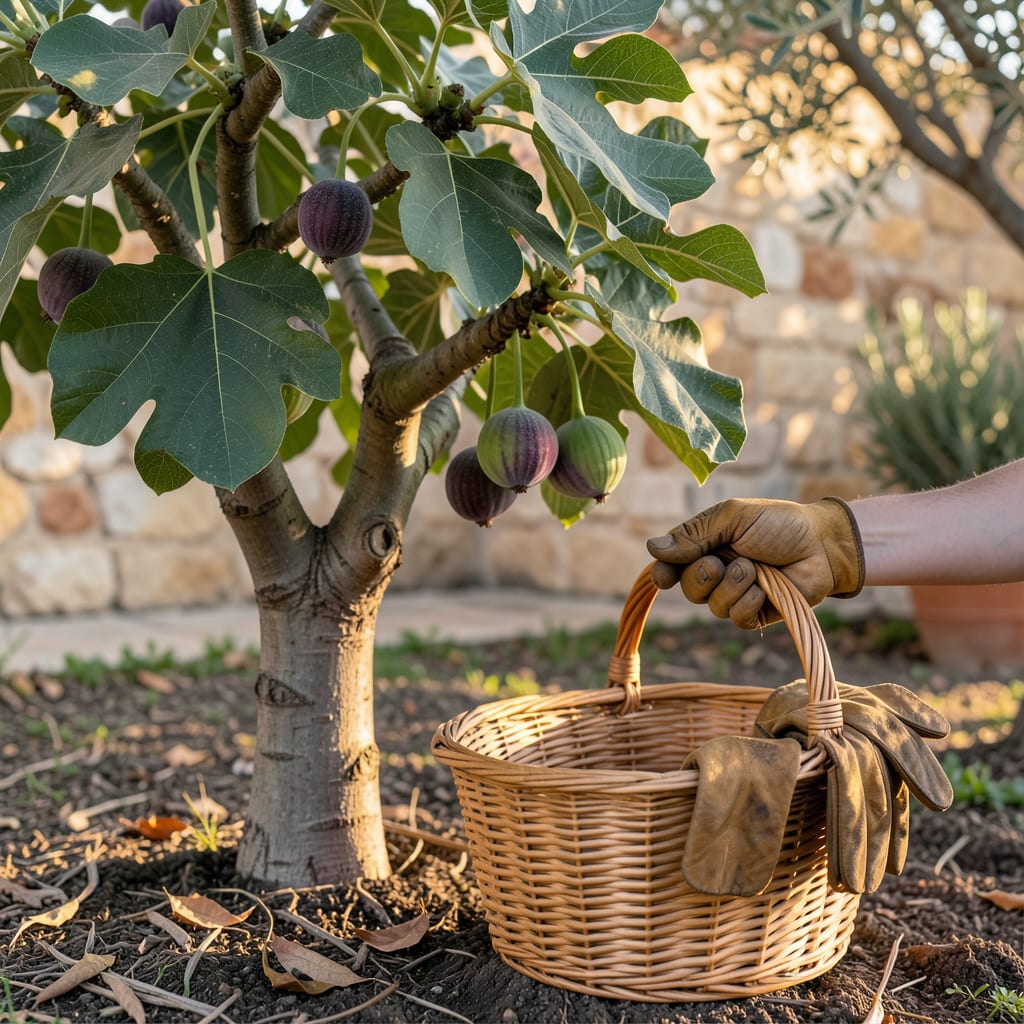
Nothing beats the taste of a perfectly ripe fig—sweet, jammy, and bursting with flavor. But pick one too soon, and you’ll get a bland, rubbery disappointment. The secret? Two subtle clues: a gentle neck bend and a slight downward droop.
I’ve wasted too many figs guessing when they’re ready, but once I learned these visual cues, my harvests improved overnight. Whether you’re growing Black Mission or Brown Turkey varieties, this method works every time. Let’s break down exactly what to look for—so you never miss that ideal picking window again.


I’ve found that figs don’t ripen after picking, so timing is everything. Unlike other fruits, they won’t sweeten once plucked—meaning you’ve got one shot to get it right. The secret? Focus on the stem’s neck and how the fruit hangs.
Most gardeners make the mistake of relying on color alone, but that’s only half the story. A ripe fig will actually bend at the neck where it meets the stem and droop slightly downward. This happens because the fruit’s weight increases as sugars develop.
Pro Tip: Test by gently squeezing—ripe figs yield like a soft marshmallow.
Let’s talk about that neck bend first. When a fig is unripe, the stem stays stiff and straight. But as it matures, the cell walls soften, causing the neck to kink. I like to compare it to a bending straw—if it’s still rigid, walk away.
The droop angle is another dead giveaway. A ripe fig will hang at about a 45-degree angle, while unripe ones stand at attention. Think of it like a sleepy sunflower—when it’s ready, it bows its head. This is especially obvious on varieties like Brown Turkey.
Now, color changes vary by type, but the glossiness is universal. A ripe fig’s skin will look almost waxed, reflecting light. For example, Kadota figs shift from green to pale yellow with a sheen. If it’s still matte, it’s not ready.
Here’s where people mess up: they see a color change and assume ripeness. But a fig can turn purple (like Black Mission) and still be rock-hard inside. Always combine color with the neck test. I’ve picked plenty of “purple” figs that tasted like cardboard!
Another trick? The stem separation test. Gently twist the fig—if it pops off easily, it’s ripe. If you’re wrestling with it, leave it for another day. This works because ripe figs release naturally from the branch with minimal pressure.
Don’t forget the touch test. Press the fig’s side with your thumb. It should give like a ripe avocado—firm but with a little cushion. Too squishy? It’s overripe. Too firm? It’ll taste like a sad, seedy disappointment.
Finally, trust your nose. A ripe fig will have a sweet, honey-like aroma at the stem. No smell? It’s not ready. This is my favorite test for Celeste figs, which can look ripe before they’re truly sweet.
Remember: figs ripen unevenly on the tree. Check daily once the first few show signs. And if birds or squirrels start eyeing them, it’s time to act—nature’s harvest helpers don’t wait for perfect timing! 🌿
Not all figs ripen the same way—what works for a Black Mission might mislead you with a Celeste. While the neck bend test applies universally, each variety has unique color shifts and texture changes. I’ll break down the key differences so you never second-guess your harvest again.
Take Brown Turkey figs, for example: they transition from green to a deep purplish-brown when ripe, while Kadota figs stay green but develop a golden blush. Texture matters too—Celeste figs soften dramatically, whereas Adriatic figs remain slightly firmer even at peak ripeness.
Pro Tip: Always check the neck bend first—color alone can be deceiving, especially in partial shade!
I’ve found that darker varieties like Black Mission often ripen 1-2 weeks earlier than green figs. If you’re growing multiple types, keep a harvest journal to track which varieties mature first in your climate. This helps you anticipate ripening sequences year after year.
For container-grown figs, ripening can accelerate due to heat retention in pots. Check these daily during heatwaves, as they may soften faster than in-ground trees. A gentle twist test works well here—ripe figs detach with minimal resistance.
Remember, birds and squirrels love figs too! If you notice peck marks or missing fruit, it’s a sign your figs are nearing ripeness. I use bird netting or harvest just as the neck starts to bend to beat the wildlife to the prize.
When in doubt, taste-test one! Cut a fig open to check the flesh color—ripe figs have a consistent hue throughout, while underripe ones may show white or pale streaks near the stem. Trust your senses: a sweet aroma at the stem is nature’s way of saying “pick me!” 🌿
Not all figs play by the same rules when it comes to ripeness. While the neck bend test works universally, each variety has its own color and texture quirks. I’ve learned the hard way that a Black Mission fig at peak ripeness looks totally different from a Celeste.
Take Brown Turkey figs, for example—they shift from green to a deep mahogany with purple undertones. But if you wait for them to look “perfectly purple” like a grocery store fig, you’ll miss the window. Their necks bend when they’re still mostly brown with just a hint of purple.
| Variety | Ripe Color | Texture | Neck Bend Angle |
|---|---|---|---|
| Black Mission | Deep purple-black | Soft with slight give | 45° downward |
| Brown Turkey | Mahogany with purple | Firm but yields | 30-40° downward |
| Celeste | Golden-yellow | Very soft | 40° downward |
| Kadota | Light green to pale yellow | Slightly firm | 25-35° downward |
Note: All varieties develop a glossy sheen when ripe.
Celeste figs are the trickiest—they stay firm longer than other varieties but ripen quickly once they start softening. I check these daily once they turn pale yellow. Their necks bend abruptly when ready, almost like they’re nodding yes to being picked.
Kadota figs are my favorite for beginners because their color change is dramatic. They go from apple-green to buttery yellow, and their skin becomes almost translucent when backlit by sunlight. The neck bend is subtle here—just a 25-degree tilt is enough.
For Black Mission figs, don’t wait for uniform color. They’re ready when the shoulders darken first (near the stem) and the base is still slightly greenish. The neck will bend at a sharp 45-degree angle, and the fruit will feel heavy in your hand.
Remember: variety matters, but the neck bend is your universal signal. When in doubt, compare the droop angle of suspect figs to their neighbors. The ones hanging lowest are always the ripest—just like how the heaviest apples drop first from the tree! 🌿
Once the first figs start changing color, check them daily. Figs can ripen quickly, especially in warm weather. The process often takes just 2-3 days from initial color shift to perfect ripeness.
This usually happens due to overwatering, sudden temperature changes, or pest damage. If healthy figs drop prematurely, check your watering schedule—fig trees prefer deep but infrequent watering. Wind or heavy rain can also cause early fruit drop.
Early morning is ideal for harvesting. The fruit is firmer and less prone to bruising when temperatures are cooler. Avoid picking during peak afternoon heat, as figs may become overly soft and split.
Place unwashed figs in a single layer on a paper towel-lined container. Store in the refrigerator for up to 2-3 days. For longer storage, freeze whole figs on a tray before transferring to bags—they’ll keep for 6 months.
No, ripening is staggered even on the same tree. Figs closer to the trunk often mature first due to better nutrient access. Different varieties also have distinct ripening windows—Celeste may ripen weeks before Black Mission in the same climate.
