
Beautiful Plants For Your Interior
Beautiful Plants For Your Interior
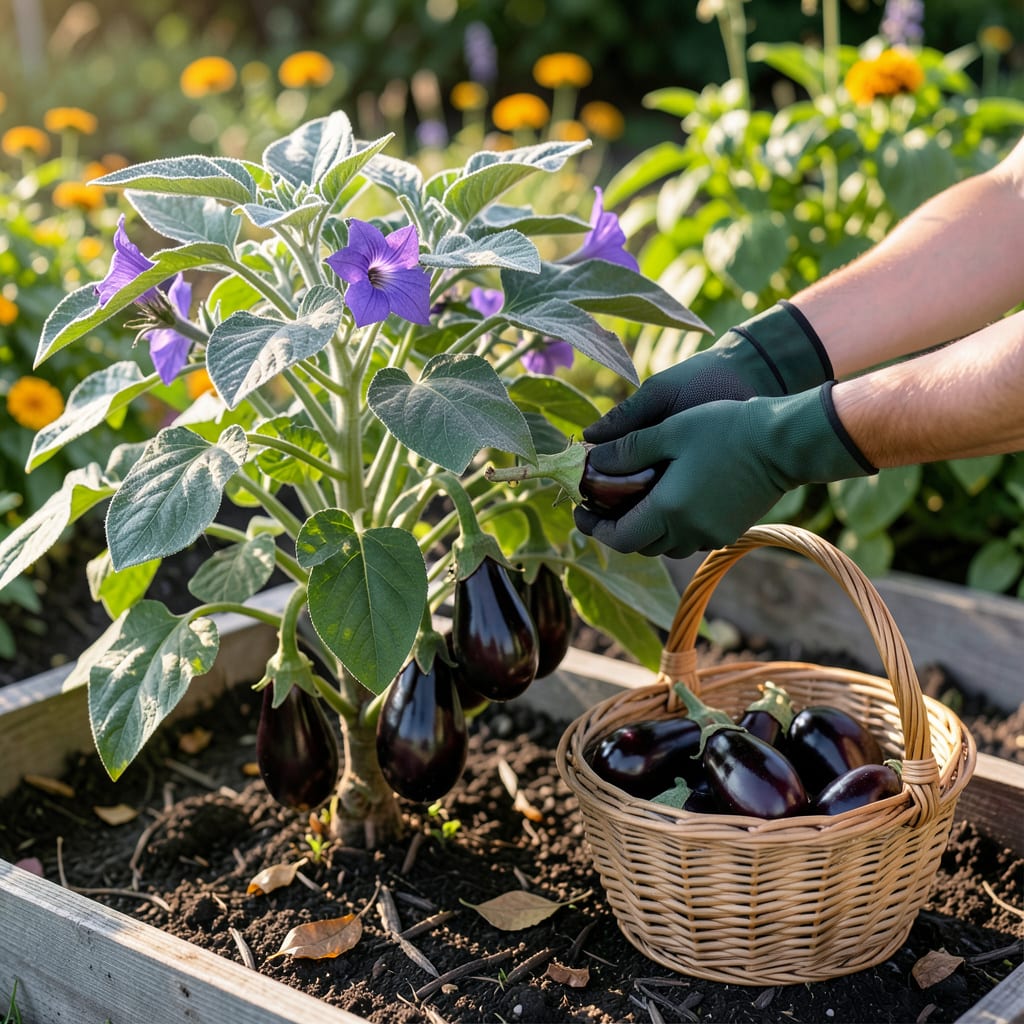
That moment when you’re staring at your 🍆 eggplant, wondering: Is it ready, or should I wait? Picking too soon means a tough, bitter bite—wait too long, and you’ll get a seedy, mushy mess. The difference between perfection and disappointment often comes down to just 3 simple signs.
I’ve wasted plenty of harvests guessing wrong, but now I rely on foolproof visual cues that work every time. Whether you’re growing Black Beauty or slender Ichiban, I’ll show you exactly what to look for—no guesswork, just ripe, flavorful eggplants every harvest season.


After months of tending your eggplant plants, the big question arrives: How do I know it’s ready? The secret lies in three foolproof visual cues that work for nearly every variety. I’ve learned the hard way that color, size, and skin texture are your best guides.
Unlike tomatoes or peppers, eggplants don’t change color dramatically when ripe. Instead, they develop subtle but unmistakable signs. Whether you’re growing Black Beauty, Ichiban, or Rosa Bianca, these indicators will help you harvest at peak flavor—every time.
| Variety | Ripe Color | Ideal Size | Skin Texture |
|---|---|---|---|
| Black Beauty | Deep purple-black | 6-8 inches long | Glossy, taut |
| Ichiban | Dark purple | 10-12 inches long | Smooth, shiny |
| Rosa Bianca | Lavender-pink | 5-7 inches wide | Slightly matte |
| White Egg | Creamy white | 4-6 inches long | Smooth, firm |
Tip: Always check your seed packet for variety-specific details!
The first clue is skin color. A ripe eggplant will have a vibrant, uniform hue—whether that’s deep purple, glossy black, or creamy white. If the skin looks dull or patchy, it’s not ready. For example, Black Beauty should be so dark it’s nearly black, while Rosa Bianca takes on a soft lavender blush.
Next, examine the size and shape. Most varieties reach their ideal size in 60-80 days from flowering. A full-sized fruit that matches the expected dimensions for your variety is a great sign. Ichiban eggplants, for instance, should be long and slender, while Rosa Bianca looks plump and round.
The final test is skin texture. Run your fingers lightly over the surface—a ripe eggplant feels smooth and slightly taut, almost like a firm tomato. If the skin is wrinkled or too soft, it’s overripe. If it’s hard and unyielding, give it a few more days in the sun.
Don’t forget to check the stem and calyx (the green cap where the fruit attaches). A fresh, green stem means the eggplant is still actively growing. If the stem looks dry or woody, the fruit may be past its prime. I always give the stem a gentle tug—if it resists slightly, the eggplant is ready to pick.
Timing matters too! Most eggplants are ready 70-85 days after transplanting. If you’re unsure, mark your calendar when flowers first appear—fruit typically matures 2-3 weeks after blooming. Early morning is the best time to harvest, when temperatures are cool and the plants are well-hydrated.
One trick I swear by: the thumbnail test. Gently press your thumbnail into the skin. If it leaves a slight indentation that bounces back, your eggplant is ripe. If the mark stays, it’s overripe. If there’s no give at all, wait another 2-3 days and test again.
Remember, eggplants grow quickly in warm weather. I check mine every other day once they near maturity—missing the window by even a few days can turn a perfect harvest into a bitter, seedy disappointment. When in doubt, pick it! Eggplants continue to ripen slightly off the vine, but they’re best enjoyed fresh.
Even experienced gardeners sometimes misjudge the perfect eggplant harvest window. The most common mistake? Waiting too long—overripe eggplants develop bitter flavors and tough, seedy interiors. I’ve seen Black Beauty varieties turn from glossy to dull in just 2-3 days of heat.
On the flip side, picking too early gives you firm, underdeveloped fruit with a disappointing texture. Ichiban eggplants, for example, need full size (about 8-10 inches) before they’re ready. Both mistakes waste weeks of careful growing, so timing is everything.
Another pitfall is assuming all varieties ripen the same. Rosa Bianca eggplants stay lighter in color but should still feel firm. Meanwhile, Thai green eggplants are ready when they’re bright green—not yellowing. Always research your specific variety’s mature size and color.
I’ve also noticed gardeners forget to check the stem and calyx (the leafy cap). A dried or woody stem signals overripeness, while a fresh green stem confirms peak freshness. This small detail can save you from harvesting a bitter, pithy eggplant.
Finally, don’t let size alone dictate your harvest. A 6-inch Black Beauty might be perfect, while an 8-inch one could be overgrown. Combine size, color, and firmness for the best results. When in doubt, harvest earlier—eggplants continue ripening slightly off the vine.
Pro tip: Keep a harvest journal with photos of your eggplants at different stages. Over time, you’ll spot patterns in your garden’s microclimate and adjust your timing. Trust me, your taste buds (and dinner guests) will thank you for the extra attention to detail! 🌿
You’ve checked the color and size, but how do you know your eggplant is truly ready? The secret lies in gentle hands-on tests that reveal ripeness without harming the plant. I use two foolproof methods: the thumb pressure test and the stem freshness check.
Start with the thumb test. Press your thumb lightly against the eggplant’s skin—it should give slightly like a ripe tomato, then bounce back. If it’s rock-hard, it needs more time. If it leaves a dent or feels mushy, you’ve waited too long. This test works for all varieties, from Black Beauty to slender Ichiban.
Next, examine the stem and calyx (the leafy cap). A fresh green stem indicates the fruit is still actively growing. If the stem looks dried or brown, the eggplant is past its prime. For Rosa Bianca or Thai green varieties, this check is extra critical since their color cues are subtler.
Always use clean, sharp pruners to harvest. Cut the stem about 1 inch above the fruit to avoid damaging the plant. Never twist or pull—this can snap branches and reduce future yields. I keep a small bowl of rubbing alcohol nearby to sanitize tools between cuts, preventing disease spread.
Pro tip: Harvest in the early morning when temperatures are cool. Eggplants picked then stay fresher longer. If you’re unsure, harvest a test fruit and slice it open. Mature seeds should be small and soft—if they’re large and hard, you’ve waited too long. With practice, you’ll master the balance! ✂️
Harvesting too soon gives you firm, underdeveloped fruit with poor texture. The flesh will be tough, and the seeds may still be soft. For best flavor, wait until the skin is glossy and the fruit reaches its expected size.
Overripe eggplants develop bitter flavors and a mushy, seedy texture. While technically edible, they’re best avoided. If you accidentally harvest one late, try roasting or grilling to mask bitterness.
Once fruit appears, check every 2-3 days in warm weather. Eggplants mature quickly, and missing the window by a few days can ruin the harvest. Early morning is ideal for inspection.
Yes! The thumb test (gentle pressure like a ripe avocado) applies to all types, from Black Beauty to Rosa Bianca. Just adjust for size—smaller varieties need lighter pressure.
Harvest in the early morning when temperatures are cool. This preserves freshness and reduces plant stress. Avoid midday heat, which can wilt the fruit and make ripeness harder to judge.
