
Beautiful Plants For Your Interior
Beautiful Plants For Your Interior
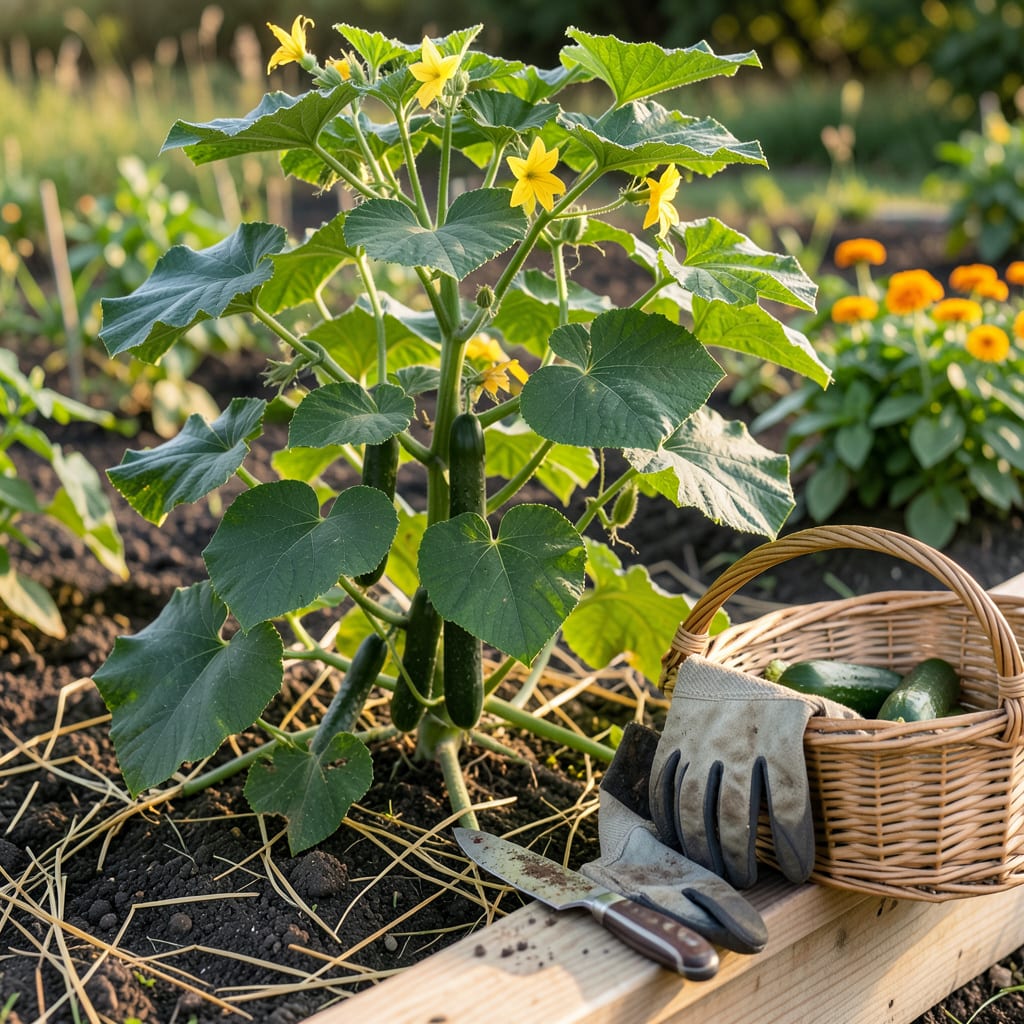
There’s nothing worse than cutting into a cucumber only to find it bitter, seedy, or mushy. I’ve been there—standing in the garden wondering why my 🥒 harvest didn’t taste as crisp and sweet as the ones from the farmers’ market.
The secret lies in perfect timing. Whether you’re growing slicing cucumbers for salads or pickling varieties for jars, knowing exactly when to pluck them makes all the difference. Let me show you the 5 clear signs that guarantee you’ll never pick a bad cucumber again.


I’ve learned the hard way that cucumbers don’t give you a neon sign when they’re ready—you’ve got to look for subtle clues. The difference between a perfectly crisp cucumber and a bitter, seedy one often comes down to just 24 hours of growth. Let’s break down the key signs.
First, forget the idea that bigger is better. Overgrown cucumbers turn pithy and bitter, while underripe ones lack sweetness. The sweet spot? A balance of size, color, and texture. Here’s how to spot it like a pro.
I always do the snap test too—if the cucumber breaks cleanly from the vine with a gentle twist, it’s ready. If you have to tug hard, it’s not. This method prevents damaging the vine, which can reduce future yields.
For English cucumbers (the long, seedless types), look for a uniform diameter along the entire length. Bulges or thin necks mean inconsistent ripening. These varieties often stay greener longer, so rely more on firmness and size than color.
If you’re growing heirloom varieties, pay attention to their unique traits. Some, like ‘Lemon Cucumbers,’ turn pale yellow when ripe, while others, like ‘Armenian cucumbers,’ can grow up to 2 feet long but are best picked at 12–15 inches.
Timing matters too. Most cucumbers reach maturity in 50–70 days from planting. I keep a garden journal to track planting dates, so I know when to start checking daily. Once they begin producing, cucumbers can grow an inch a day in warm weather!
Pro tip: Harvest in the early morning when temperatures are cool. The cucumbers will be crispest, and the plants are less stressed. Use a sharp knife or pruners to cut the stem cleanly, leaving about ½ inch attached to avoid rot.
Finally, don’t wait too long between checks. Cucumbers can go from perfect to overripe in just a day or two, especially in hot weather. I make it a habit to inspect my vines every morning during peak season. Your diligence will pay off in crunchy, sweet rewards! 🥒
Even experienced gardeners sometimes mess up cucumber harvests. I’ve made my share of mistakes—like leaving them on the vine too long or picking them too early. These errors can turn your crisp, sweet cucumbers into bitter, seedy disappointments. Let’s tackle the most common pitfalls.
One of the biggest mistakes is waiting for cucumbers to turn fully yellow. That’s a sign they’re overripe, mushy, and packed with large seeds. Another blunder? Harvesting when the skin is dull or pale, which means they’re underripe and lack flavor. Timing is everything.
⚠️ Avoid These Harvest Killers:
Another mistake I see often is inconsistent picking. Cucumbers grow fast—sometimes an inch a day in warm weather! If you skip checking the vines for a few days, you might miss the perfect window. I set a reminder to inspect my plants every morning during harvest season.
Don’t overlook the stem condition either. If the stem attached to the cucumber looks dried out or shriveled, the fruit is past its prime. A healthy stem should be firm and green. Also, avoid harvesting when the plant leaves are wet—this spreads diseases like powdery mildew.
For pickling cucumbers, many gardeners wait too long, thinking bigger means better. But these varieties should be harvested small—usually 2–4 inches—for that signature crunch. If they grow larger, they lose their firm texture and develop tough skins. I use the thumbnail test for these: press gently; if it leaves a mark, it’s ready.
Finally, never store freshly picked cucumbers in the fridge unwashed. Dirt traps moisture, leading to spoilage. Instead, gently wipe them with a damp cloth, then store in a perforated bag in the crisper drawer. They’ll stay fresh for up to 5–7 days. Avoid stacking them too—bruising speeds up decay.
By steering clear of these mistakes, you’ll enjoy cucumbers that are crisp, sweet, and seed-free every time. Trust me, your salads and pickles will thank you! 🥒
Not all cucumbers are created equal when it comes to harvest time. The perfect picking window varies dramatically between slicing, pickling, and heirloom varieties. I’ve learned this the hard way after ruining batches by treating them all the same.
Slicing cucumbers like ‘Marketmore’ or ‘Straight Eight’ should be harvested at 6-8 inches long, while pickling types such as ‘Boston Pickling’ are best at just 2-4 inches. Heirlooms often have their own unique signals that defy standard rules.
| Variety Type | Ideal Size | Days to Maturity | Color at Peak | Harvest Tip |
|---|---|---|---|---|
| Slicing | 6-8 inches | 55-65 days | Deep green, glossy | Check daily once vines flower |
| Pickling | 2-4 inches | 50-55 days | Bright green, firm | Use thumbnail test for readiness |
| English | 12-14 inches | 60-70 days | Dark green, slender | Look for uniform thickness |
| Lemon | 2-3 inches | 65-70 days | Pale yellow when ripe | Harvest before full yellow |
| Armenian | 12-15 inches | 60-75 days | Light green, ribbed | Pick when skin is still tender |
English cucumbers (like ‘Burpless’) need special attention. Their thin skins mean they’re prone to overripening quickly. I harvest these when they’re 12-14 inches but still firm, before any yellowing appears at the ends.
For pickling varieties, size is everything. The famous ‘National Pickling’ cucumber should be picked at just 2 inches for cornichons or 4 inches for spears. I use a small ruler in my garden toolkit to double-check measurements during harvest time.
Heirloom varieties often break the standard rules. My ‘Lemon Cucumbers’ turn from green to pale yellow when ripe, while ‘Armenian’ types can grow over a foot long but stay tender. Always research your specific variety’s traits before planting.
Remember that growing conditions affect timing too. In hot climates, cucumbers may mature 5-7 days faster than the seed packet indicates. I keep a garden journal noting first harvest dates each year to adjust my expectations based on weather patterns.
Check your plants daily during peak season. Cucumbers grow rapidly, sometimes an inch per day in warm weather. Missing just a day or two can mean the difference between perfect and overripe. Early morning inspections work best when plants are hydrated.
Harvest in the early morning when temperatures are cool. This ensures maximum crispness and minimizes stress on the plants. Avoid midday heat, which can cause wilting. Use clean pruners for a sharp cut, leaving ½ inch of stem attached.
Yellow cucumbers are overripe and usually bitter with large seeds. While not harmful, they’re best avoided for fresh eating. If you missed the harvest window, compost them or use them for seed-saving. Next time, pick when they’re still deep green with just a hint of yellow at the blossom end.
Bitterness often comes from stress—uneven watering, extreme heat, or poor soil. Keep plants consistently moist and provide afternoon shade in hot climates. Some varieties are naturally more bitter; try ‘Sweet Success’ or ‘Diva’ for milder flavor. Proper harvesting helps, but growing conditions matter most.
Store unwashed cucumbers in a perforated plastic bag in the fridge’s crisper drawer. They’ll stay fresh for 5-7 days. Avoid stacking them to prevent bruising. For best texture, use within 3 days of picking. Never store them near ethylene-producing fruits like apples.
