
Beautiful Plants For Your Interior
Beautiful Plants For Your Interior
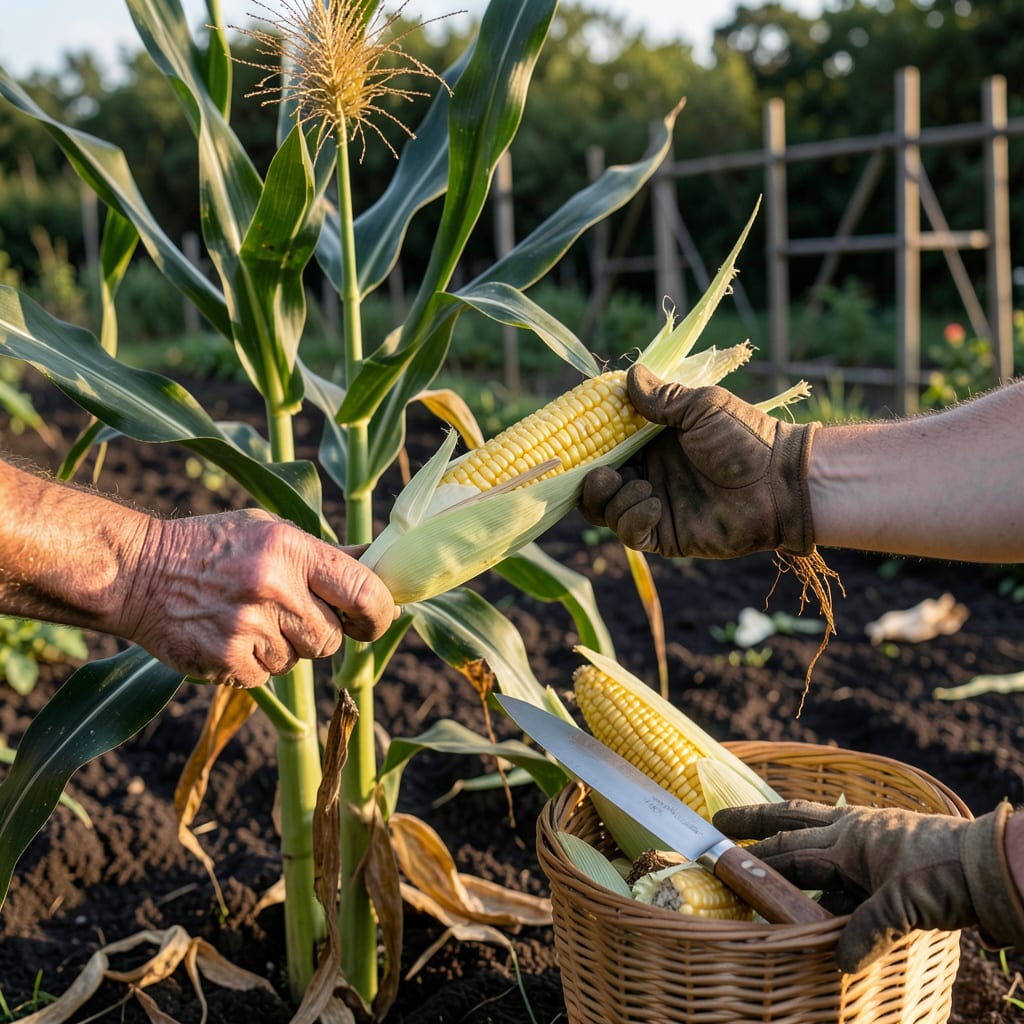
There’s nothing quite like biting into a perfectly ripe ear of 🌽 Corn—sweet, juicy, and bursting with flavor. But pick it too soon or too late, and that buttery crunch turns into a starchy letdown. Timing is everything when it comes to harvesting.
I’ve learned the hard way that guessing just doesn’t cut it. Whether you’re a first-time grower or a seasoned gardener, knowing the foolproof signs of ripe Corn ensures you’ll never miss that ideal window again. Let’s break down exactly what to look for—so you can enjoy the sweetest, most tender kernels every time.


When I first started growing corn, I made the mistake of waiting for the husks to turn brown before picking. Big error! The truth is, corn gives us five clear signals when it’s perfectly ripe – and color is just one piece of the puzzle.
I’ve learned that the silks (those stringy things at the top) are your first clue. They should be dry and brown, not green or moist. But don’t stop there – the real magic happens when you examine the kernels and ear shape.
| Harvest Sign | What to Look For | Why It Matters |
|---|---|---|
| Silk Condition | Dry, brown, and brittle | Indicates pollination is complete |
| Husk Appearance | Green but slightly loose | Tight husks mean immature ears |
| Ear Shape | Full and rounded at tip | Pointed tips signal underdeveloped kernels |
| Kernel Texture | Plump and tightly packed | Loose kernels = past prime |
| Milk Test | Milky fluid when pierced | Clear = too early; doughy = too late |
The ear’s weight tells a story too. A ripe ear should feel heavy and solid in your hand, not lightweight. I like to compare similar-sized ears – the heavier one is usually ready first. This weight comes from fully developed kernels packed with moisture.
Color changes matter more than you think. While husks stay green, the silk end should show golden-brown hues. For bicolor varieties, watch for the white kernels to turn creamy – they often mature slightly before the yellow ones.
Here’s a trick I swear by: the sunshine test. On a sunny morning, hold the ear up to the light. You should see well-defined kernel rows through the husk. If they look shadowy or indistinct, give it another day or two.
Remember that weather affects timing. A heatwave can speed up ripening by 3-5 days, while cool spells might delay it. I keep a garden journal to track how different conditions affect my corn’s maturity each season.
One common mistake is waiting for all silks to brown. Actually, you only need about 50-60% brown silks for peak ripeness. The remaining silks will dry as the ear finishes maturing on the stalk.
For the absolute best flavor, I harvest in the early morning when kernels are most plump. Then I immediately cool the ears in ice water to lock in sweetness. This stops the sugar-to-starch conversion that starts the moment you pick it. 🌽
If you’re growing multiple varieties, note that sugar-enhanced types often show these signs 2-3 days earlier than standard sweet corn. The key is checking daily once you hit that 20-day post-silking window.
If you’ve ever wondered how to tell when corn is ready to pick, the finger test is your secret weapon. This hands-on method lets you check kernel ripeness without guessing. I always start by gently peeling back a small section of the husk to expose the kernels.
Once the kernels are visible, press one with your thumbnail. If it releases a milky liquid, your corn is at peak sweetness. This milky stage means the sugars haven’t converted to starch yet. If the liquid is clear, the corn needs more time. If it’s doughy with no liquid, you’ve waited too long.
Master the Thumb Test
For the most accurate check, use your thumbnail to pierce a kernel. Look for:
Another trick I use is the kernel squeeze test. Gently press a kernel between your fingers. Perfectly ripe corn will feel plump and firm, not hard or mushy. The kernels should also be tightly packed in rows with no gaps.
Timing matters too – I recommend doing this test in the early morning when kernels are most plump. Avoid checking right after watering, as excess moisture can give false results. With practice, you’ll develop a feel for that perfect sweet spot between underripe and overripe.
One common mistake I see is waiting for the husks to turn completely brown. By then, it’s often too late. The finger test gives you a more precise window. Once you’ve confirmed ripeness, twist the ear downward to harvest – it should come away from the stalk with a satisfying snap.
After harvesting, I immediately cool the ears in ice water to preserve that just-picked sweetness. This stops the sugar-to-starch conversion process, keeping your corn delicious for days. The finger test might seem simple, but it’s the difference between good corn and spectacular homegrown corn. 🌽
Not all corn varieties ripen at the same pace. I’ve learned that sugar-enhanced types like ‘Peaches and Cream’ often mature 2-3 days earlier than standard sweet corn. Meanwhile, supersweet varieties (think ‘Honey & Pearl’) may need an extra week to reach peak sweetness.
Your growing zone plays a huge role too. In warmer climates (Zones 7-9), corn might be ready in 60-70 days, while cooler regions (Zones 4-6) could take 80-100 days. Always check your seed packet for variety-specific timelines.
| Variety Type | Maturity Days | Key Harvest Sign | Best For |
|---|---|---|---|
| Sugar-Enhanced | 65-75 days | Silk dries quickly | Early harvests |
| Supersweet | 75-85 days | Kernels stay firm longer | Longer storage |
| Heirloom | 80-100 days | Husks turn golden-brown | Traditional flavor |
I always mark my calendar 20 days after silking—that’s when most varieties hit their sweet spot. But don’t rely solely on days! Weather swings (like a late-summer heatwave) can speed up or delay ripening by 3-5 days.
For early-season varieties, watch for tightly packed rows of kernels—they’ll be ready sooner than late-season types with looser spacing. And if you’re growing bicolor corn, the white kernels often mature slightly before the yellow ones.
Pro tip: Stagger plantings every 2 weeks for a continuous harvest. This way, you’ll avoid the “all-at-once” corn glut and enjoy fresh ears for 4-6 weeks straight! 🌽
Picking too soon means underdeveloped kernels that taste starchy and bland. The sugars haven’t fully formed, so you’ll miss that signature sweetness. Ears will also feel lightweight, and kernels may leak water instead of milky fluid when pierced.
Early morning is ideal—kernels are plumpest after cool overnight temperatures. Avoid midday heat, which can cause moisture loss. If harvesting in the evening, refrigerate ears immediately to preserve sweetness.
Wrinkled kernels usually mean the ear is overmature. The sugars have converted to starch, giving them a shrunken appearance. This often happens if you wait too long after the silks turn brown or during hot, dry spells.
Sweetness fades fast! For best flavor, cook or refrigerate ears within 2-3 hours. Unhusked corn keeps in the fridge for 3-5 days, but the sugars start converting to starch immediately after harvest.
