
Beautiful Plants For Your Interior
Beautiful Plants For Your Interior
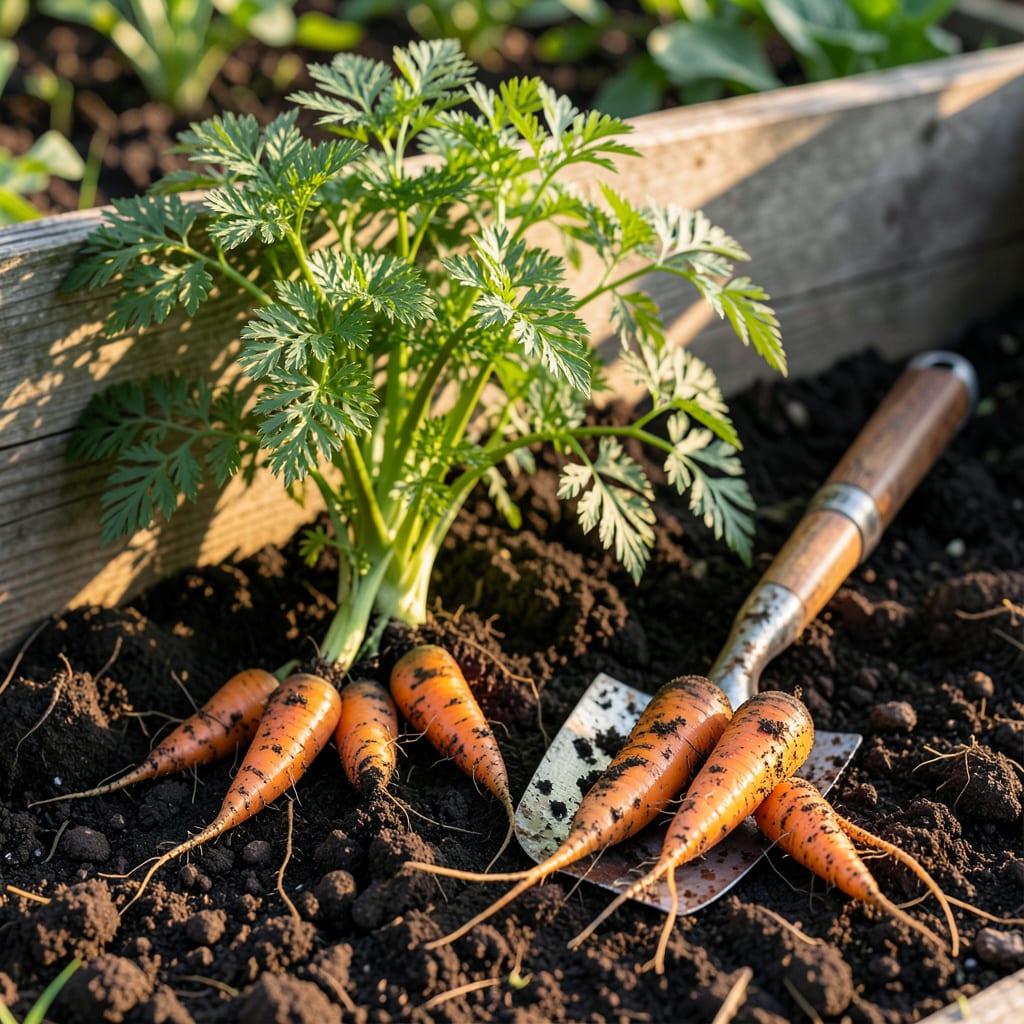
Timing your carrot harvest perfectly can make all the difference between sweet, crisp 🥕 roots and tough disappointments. It’s all about knowing the subtle signs.
I’ll show you exactly what to look for above and below the soil. With these simple checks, you’ll never pull a carrot too soon or too late again.


I always check the foliage height first—when carrot tops reach 6-8 inches tall, it’s a good sign they’re nearing maturity. The green growth above soil often mirrors the progress happening below.
Another clear indicator is the shoulder visibility. As carrots mature, the top of the root begins to peek through the soil, revealing its vibrant color and growing diameter. ☀️
| Sign | What to Look For | Typical Timing |
|---|---|---|
| Shoulder Diameter | 0.75-1 inch at soil line | 50-70 days after sowing |
| Color Vibrancy | Bright orange/purple (not pale) | 60-80 days for full color |
| Foliage Health | Full, lush greens (not yellowing) | Throughout growth |
| Root Firmness | Solid to touch (not soft) | At maturity |
The color development is crucial—I look for that rich orange hue (or purple/red for specialty varieties) showing through the soil. Dull or pale colors mean they need more time.
I’ve found that growth patterns matter too. Early varieties may be ready in 50-60 days, while maincrop types often need 70-80 days. Always check your seed packet for specifics.
For shoulder visibility, I gently brush away soil at the base of the foliage. If I see 1/2 to 3/4 inch of the root’s top, it’s likely ready. This method prevents disturbing the whole plant.
The foliage height test works well in my garden. When most tops reach 8 inches, I start checking individual roots. Remember, some varieties naturally grow taller foliage than others.
I pay attention to the leaf spread as well. Mature carrot plants typically have 5-8 healthy leaves fanning out from the crown. This indicates the root has been growing steadily below.
One trick I use is the “gentle tug” test. If a carrot resists slightly when I pull a leaf, it’s usually ready. If it comes out too easily, it might need more time to develop.
For successive planting, I mark sowing dates on my calendar. This helps me track when each batch should be ready for harvest, ensuring I don’t miss the perfect window.
Remember, soil temperature affects growth speed. In cooler springs, carrots may take 5-10 extra days to mature compared to warmer conditions. 🌱
Checking carrot size without uprooting the plant is simpler than you think. I use a gentle soil brushing method to expose the shoulder of the root at the soil line.
With my finger, I lightly feel the exposed part of the carrot. A 0.75-1 inch diameter typically means it’s ready. This method lets me check multiple plants without disturbing their growth. ☀️
I always start with the largest foliage plants, as they often have the most developed roots. This selective approach helps me gauge readiness for the entire crop.
The selective harvest method is my favorite. I pull just one carrot from different areas of the row to compare sizes and determine if the rest are ready.
For long carrot varieties, I check the soil depth too. If the soil is only 6 inches deep, the carrots might be shorter than expected, even if the shoulders look ready.
I’ve learned that consistent moisture affects size development. Carrots in drier soil may appear ready at the shoulder but be smaller overall. Regular watering ensures even growth.
Remember, size isn’t everything. A slightly smaller carrot can still be sweet and tender if it’s reached its variety’s mature color and firmness. 🌱
I’ve seen many gardeners pull carrots too early, thinking they’re ready when they’re not. Small, pale roots often result from impatient harvesting before the 70-day mark. 🌱
On the other hand, leaving carrots too long can make them woody and bitter. Once they pass their prime, the texture suffers and the flavor fades quickly.
Carrots left past maturity can split, become tough, or attract pests. Harvest when shoulders reach 0.75-1 inch to avoid disappointment.
Another common mistake is ignoring soil conditions. Compact or rocky soil can stunt growth, making carrots appear ready when they’re actually undersized and misshapen.
Inconsistent watering also causes problems. Too little water leads to small, tough roots, while too much can cause cracking or forking. Aim for 1 inch per week for best results. ☀️
I always remind fellow gardeners to check the seed packet. Different varieties have different maturity times—early types may be ready in 50 days, while others need 80 days or more.
Finally, temperature extremes affect timing. Hot weather can speed up growth, while cold snaps may slow development. Adjust your expectations based on your local conditions. 🌿
The shoulder should be 0.75-1 inch in diameter at the soil line. This is the most reliable indicator for most varieties.
Yes, overripe carrots become woody and bitter. They may also split or attract pests if left past maturity.
Gently brush soil away from the base and feel the exposed shoulder. You can also pull one test carrot to check size.
When tops reach 6-8 inches, it’s a good sign they’re nearing maturity. Combine this with shoulder checks for best results.
