
Beautiful Plants For Your Interior
Beautiful Plants For Your Interior
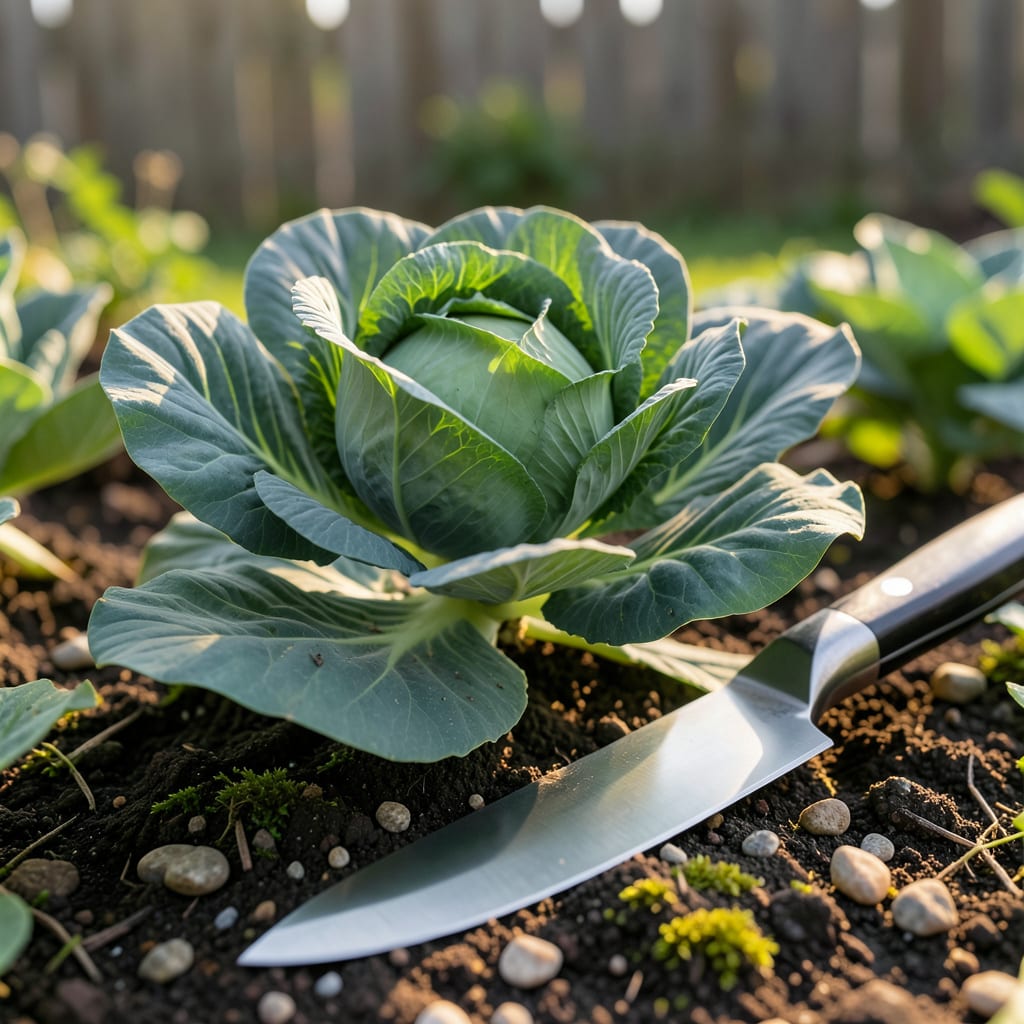
Knowing exactly when to harvest your 🥬 cabbage can make all the difference. A perfectly timed pick means crisp, flavorful heads rather than bitter or overmature disappointments.
I’ll show you the easiest ways to spot that sweet spot – from size to firmness. With these tips, you’ll never second-guess your harvest timing again.


I always look for firm heads and rich color as the first signs. A mature cabbage should feel solid when squeezed, not soft or spongy. The outer leaves often start to yellow slightly at the base.
The squeeze test is my go-to method. Gently press the head with both hands – if it feels dense and hard, it’s likely ready. Size matters too, as most varieties reach 4-8 inches in diameter when mature.
| Sign | What to Look For | Variety Notes |
|---|---|---|
| Firmness | Head feels solid when squeezed | All types |
| Size | 6-12 inches diameter | Check seed packet |
| Color | Rich green or purple hue | Red cabbage turns deep purple |
| Leaves | Slight yellowing at base | Lower leaves first |
For green cabbage, I watch for that transition from dark green to a slightly lighter shade. With red cabbage, the color deepens to a rich purple when it’s time. The stems at the base should look thick and sturdy too.
I’ve found that days to maturity varies by type. Early varieties may be ready in 60 days, while storage types can take 100-120 days. Always check your seed packet for the specific range.
The weight test works well too. A mature head should feel heavy for its size. I compare similar-sized heads – the heavier one is usually riper.
Weather affects timing. In cool fall weather, cabbage matures slower. I’ve noticed heads grow faster in warm spring conditions. A light frost can actually improve flavor for some varieties, making them sweeter.
For savoy cabbage, the heads are looser, so I look for dense crinkled leaves instead of firmness. The Napa types form elongated heads – they’re ready when the leaves are tightly packed and the stem feels solid.
I always harvest in the morning when the heads are most crisp and hydrated. This ensures the best texture and helps them store longer. Use a sharp knife to cut the stem cleanly about 1 inch above the base.
Remember, it’s better to pick a little early than too late. Overmature cabbage can split open or develop a bitter taste. When in doubt, I harvest the largest heads first and let the smaller ones continue growing.
With these signs in mind, you’ll always pick at the peak of perfection ✂️
I’ve learned the hard way that harvesting too early or too late can ruin your cabbage crop. Picking before the head is firm and dense means you’ll get small, loose leaves that lack flavor.
On the other hand, waiting too long leads to split heads or bitter taste. The ideal window is surprisingly narrow, so I always check my plants daily as they near maturity.
⚠️ Warning: Avoid harvesting in wet conditions to prevent disease spread. Always use clean, sharp tools to make clean cuts that heal quickly.
Another mistake I see is improper cutting. Never yank the plant from the ground. Instead, cut the stem 1 inch above the base with a sharp knife to allow for potential regrowth.
Weather plays a big role too. I’ve found that hot weather can cause cabbage to mature faster but with lower quality. A light frost can actually improve sweetness, but hard freezes will damage the heads.
Lastly, I always harvest in the cool morning hours when the plants are most hydrated and crisp. This ensures the best texture and extends storage life. Avoid harvesting during the hottest part of the day. ✂️
I always start with the right tools for a clean harvest. A sharp knife or pruning shears is essential to avoid tearing the plant. Make sure your tools are clean and sanitized to prevent disease spread.
When cutting, I position my blade about 1 inch above the base. This leaves enough stem for potential regrowth in some varieties. I cut at a slight angle to allow water to run off, reducing rot risk.
After cutting, I remove any loose or damaged outer leaves. These can harbor pests or disease. I also inspect the head for any signs of splitting or pest damage before bringing it inside.
For varieties that can produce second harvests, I leave the root system intact. With proper care, some cabbage types will sprout new heads from the remaining stem. I’ve had success with this method in cool fall weather.
I always handle the heads gently to avoid bruising. Even small bruises can lead to faster spoilage in storage. I place harvested cabbage in the shade immediately to maintain freshness. ✂️
Most varieties reach 6-12 inches in diameter at maturity. Check your seed packet for the specific size range expected for your type.
Yes, but harvest immediately. Split heads can still be eaten fresh but won’t store well. This often happens when left too long in the garden.
A light frost can actually sweeten the flavor. Hard freezes, however, will damage the heads. Harvest before temperatures drop below 25°F.
Use the squeeze test. Gently press the head with both hands – it should feel dense and hard, not soft or spongy.
