
Beautiful Plants For Your Interior
Beautiful Plants For Your Interior
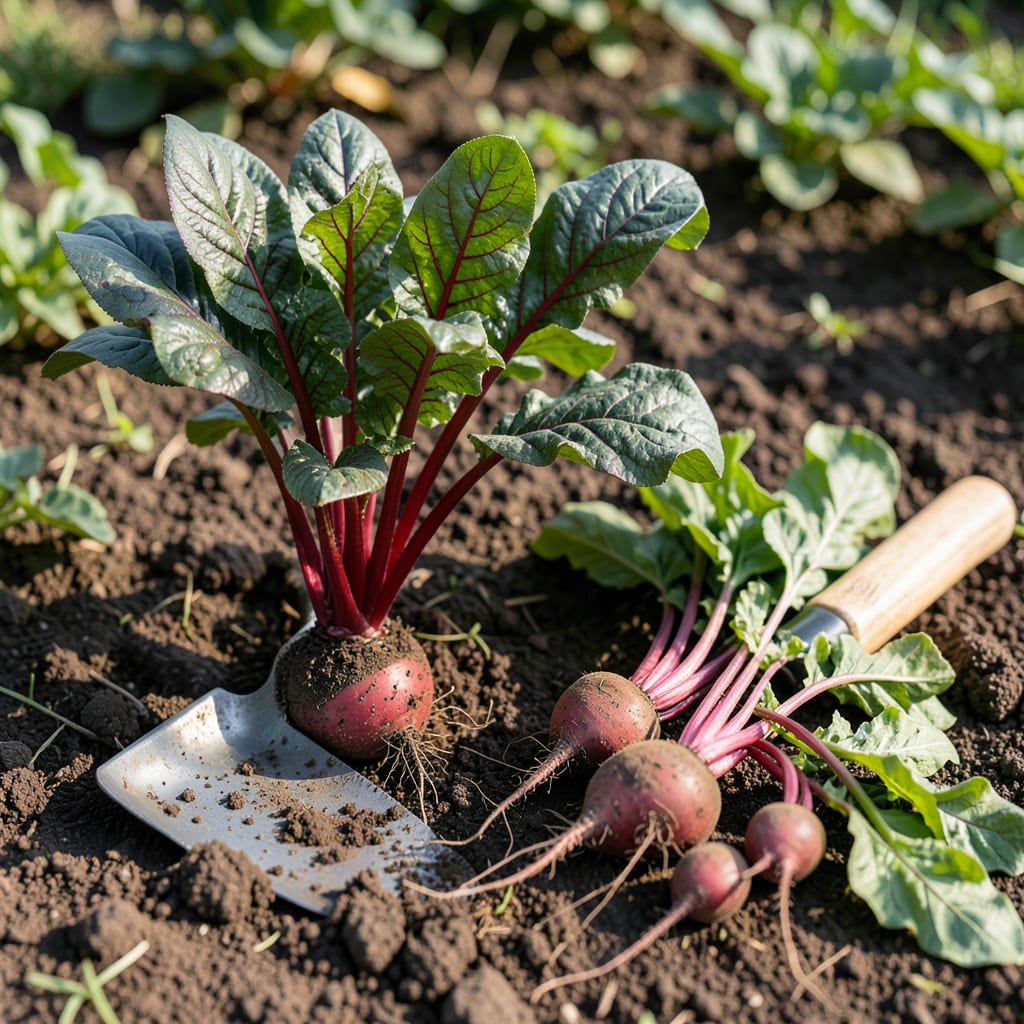
I remember the first time I pulled up 🥬 Beet roots too early – they were tough and far from sweet. Timing is everything when it comes to harvesting this spring crop.
There are simple signs above and below the soil that will tell you your beets are ready. Let me show you exactly what to look for to get that perfect, tender harvest every time.


I always watch for shoulder protrusion as the first sign my beets are nearing harvest. When the top of the beet starts peeking above the soil line, it’s a clear indicator that the root is developing well underground.
The leaf size and stem thickness also reveal a lot. Healthy, vibrant beet greens about 6-8 inches tall with sturdy stems often mean the roots below are maturing nicely.
| Visual Sign | What It Means |
|---|---|
| Shoulders above soil | Root is 1-3 inches in diameter |
| Deep red or gold color | Fully mature pigmentation |
| Greens 6-8 inches tall | Healthy above-ground growth |
| Firm texture | Ready for gentle harvest |
Seasonal timing matters too. In my experience, beets planted in early spring typically mature in 50-70 days, while fall-sown beets might take a bit longer due to cooler temperatures.
I’ve found that golden beets and red beets show slightly different color cues. Golden varieties develop a rich yellow hue, while red beets turn a deep, vibrant ruby color when ready.
Another trick I use is checking the soil line. If the beet’s shoulders are visible and about 1-1.5 inches wide, it’s usually safe to harvest, even if the rest of the root is still underground.
Don’t overlook the health of the greens. If the leaves start to yellow or wilt, it might indicate the beets are over-mature and becoming woody. I aim to pick mine just before this happens.
For baby beets, I harvest when they’re about 1 inch in diameter. These are incredibly tender and sweet, perfect for fresh eating. Larger beets, up to 3 inches, are great for roasting or storing.
I also pay attention to the stem thickness. When the stems at the base of the greens are about pencil-thick, the roots below are usually at their peak. This is a subtle but reliable sign I’ve come to trust.
Finally, I always check the weather forecast before harvesting. A dry, sunny day is ideal for pulling beets, as the soil is easier to work with, and the roots are less likely to break.
By combining these visual cues and seasonal timing, I consistently harvest beets at their sweetest, most tender stage. It’s all about observing and letting the plants tell you when they’re ready 🌱
I always check beet size by gently brushing away soil at the base of the greens. When the top of the beet (or “shoulder”) is visible and about 1-3 inches wide, it’s ready. This size ensures sweetness and tenderness.
For texture testing, I lightly press the exposed part. A firm, smooth beet means it’s ripe, while a soft or spongy feel signals it’s over-mature and may be woody.
I avoid pulling beets too early, as smaller than 1 inch means they’re underdeveloped. But waiting too long can lead to tough, fibrous roots, especially in hot weather.
For baby beets, I harvest at 1 inch for a tender bite. Standard varieties like Detroit Dark Red are best at 2-3 inches. Always use both hands to pull—one gripping the greens, the other steadying the soil.
If I’m unsure, I’ll test one beet first. If it’s sweet and tender, the rest are likely ready. If not, I wait 3-5 more days and check again.
Remember, consistent moisture in the final weeks improves texture. A sudden dry spell can make beets woody, even if they’re the right size.
Timing matters most—morning harvests retain the best flavor and crispness.
I’ve seen many gardeners make the mistake of harvesting beets too early. When roots are smaller than 1 inch, they’re underdeveloped and lack the sweet flavor we love. Patience is key here.
On the flip side, leaving beets in the ground too long leads to woody, fibrous textures. This is especially true in hot weather, which can accelerate maturity unexpectedly.
Too Early: Roots under 1 inch are small and bitter.
Too Late: Beets over 3 inches become tough and woody.
Heat Stress: High temps can rush maturity, so check often.
Another common error is ignoring the health of the greens. If the leaves start yellowing, it’s a sign the beets may be over-mature and past their prime.
I also caution against inconsistent watering. A sudden dry spell can make beets woody, even if they appear ready. Keep the soil evenly moist in the final weeks for the best texture.
Finally, avoid harvesting in wet soil. This can make pulling difficult and increases the risk of breaking the roots. Aim for a dry, sunny morning for the easiest, cleanest harvest.
By steering clear of these mistakes, you’ll consistently pull up perfectly timed beets that are sweet, tender, and full of flavor 🌱
Harvest when they reach 1-3 inches in diameter. This size ensures the best balance of sweetness and tenderness. Smaller beets may be underdeveloped, while larger ones can become woody.
Yes, leaving them too long, especially in hot weather, makes them tough and fibrous. Check frequently as they near maturity to avoid missing the ideal window.
Healthy, vibrant greens about 6-8 inches tall often mean the roots are ready. If leaves start yellowing, the beets may be over-mature and past their prime.
A dry, sunny morning is ideal, as the soil is easier to work with and the roots retain the best flavor and crispness.
