
Beautiful Plants For Your Interior
Beautiful Plants For Your Interior
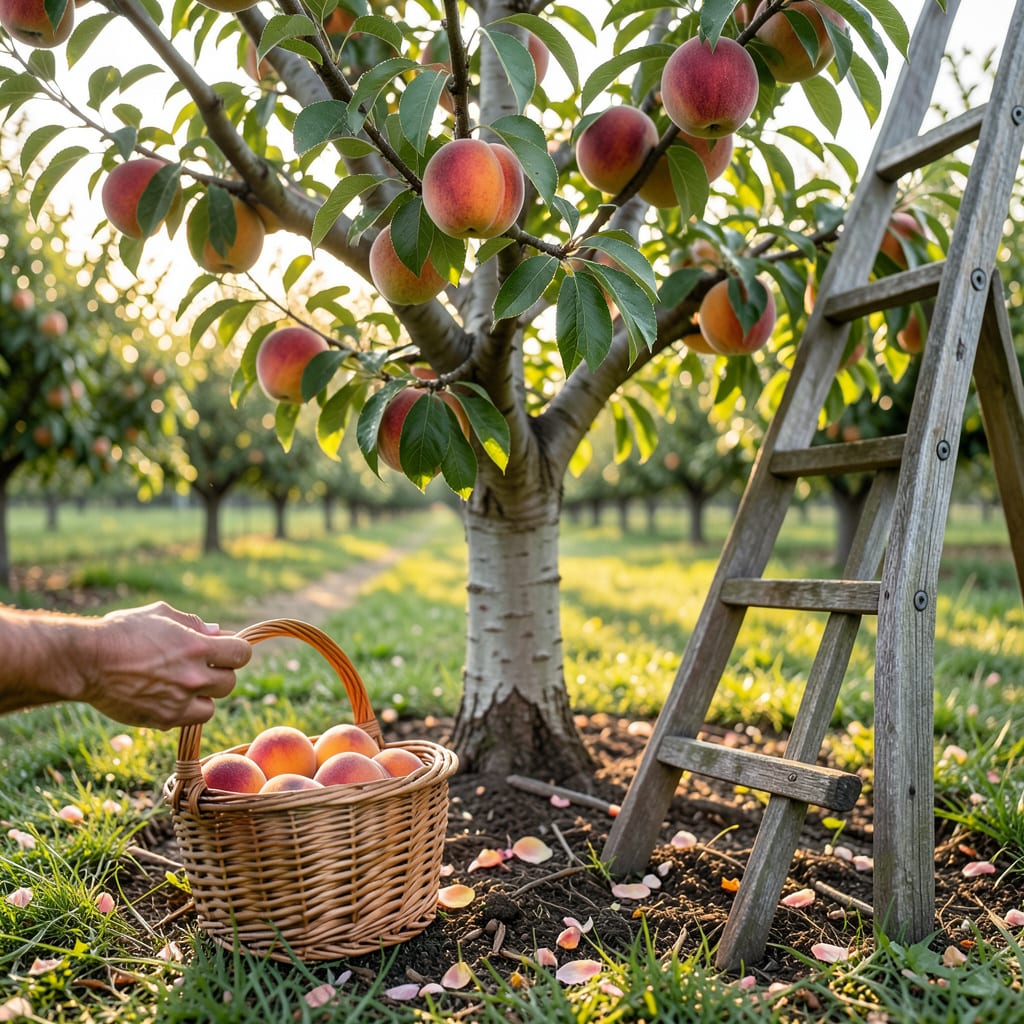
There’s nothing quite like biting into a perfectly ripe peach—juicy, sweet, and bursting with summer flavor. But pick it too soon, and you’re left with a hard, tasteless disappointment. Timing is everything when it comes to harvesting peaches.
I’ll show you the simple tricks pros use to spot ripeness: from color shifts to the gentle twist test. No more guessing—just foolproof methods to ensure every peach you pick is at its flavorful peak. Let’s get started.


Nothing beats the satisfaction of plucking a perfectly ripe peach straight from your tree. But how do you know it’s ready? I’ve learned that peaches send clear visual signals when they’re at their peak. The first thing I check is the ground color—that’s the background color beneath the red blush.
For most varieties, this color shifts from green to golden yellow as the fruit ripens. Don’t be fooled by the red blush alone—some peaches develop that early but aren’t ready. I also look for full size—peaches won’t ripen further once picked, so they need to reach their mature dimensions on the tree first. 🌳
| Ripeness Sign | What to Look For | Clingstone Varieties | Freestone Varieties |
|---|---|---|---|
| Ground Color | Golden yellow (not green) | May stay slightly greenish | Bright golden when ripe |
| Fruit Size | Full size for variety | 2.5-3 inches diameter | 3-4 inches diameter |
| Stem Separation | Twists off easily | Slight resistance normal | Clean separation |
| Firmness | Slight give near stem | Stays firmer when ripe | Softens more uniformly |
The stem area tells another important story. As peaches ripen, the stem naturally begins to separate from the branch. I gently lift and twist peaches that look ready—if they come away easily, they’re perfect. If I have to pull, I leave them for another day. This twist test prevents damaging the fruit or next year’s buds.
Don’t overlook the fruit’s texture. A ripe peach will have a slight give when pressed near the stem, similar to a ripe avocado. However, some varieties (especially clingstones) remain firmer even when ripe. That’s why I always combine the touch test with visual cues for the most accurate assessment. 🌿
Timing plays a crucial role too. Most peach varieties take 90-120 days from bloom to harvest. I keep track of my tree’s flowering date and count forward. When we hit that window, I start checking daily. Hot weather can speed up ripening, sometimes by several days, so I’m extra vigilant during heat waves.
One trick I’ve learned is to watch the birds and squirrels. When they start showing interest in my peaches, I know harvest time is near. These creatures have an uncanny ability to sense ripeness. While I don’t want to lose fruit to wildlife, their attention serves as a helpful reminder to check my trees more frequently.
Remember that different varieties have slightly different ripening signs. Early-season peaches often have more green in their ground color when ripe, while late-season varieties develop deeper golden hues. I make notes each year about my specific trees to refine my harvesting skills over time. 🪴
If you’re growing multiple varieties, stagger your checks. Some of my trees ripen all at once, while others produce over several weeks. I use small flags or colored ties to mark branches with fruit at different stages. This system helps me prioritize which peaches to check each day during the busy harvest season.
Finally, don’t forget that peach ripening doesn’t stop when you pick them. Fruit will continue to soften and develop flavor for a day or two at room temperature. This gives you a small window if you need to harvest slightly early due to weather or pest pressure. Just don’t refrigerate unripe peaches—cold stops the ripening process dead in its tracks.
Once your peaches pass the visual color check, it’s time to engage your other senses. I always start with the scent test—a ripe peach will release a sweet, floral aroma at the stem end. If you can’t smell anything, it’s not ready yet. This is especially helpful for clingstone varieties that may look ready but need more time.
The real secret? The gentle twist test. Hold the peach in your palm and give it a slight twist. If it releases easily with just a nudge, it’s perfect. If you have to tug, leave it for another day. This method prevents damaging the fruit stem or bruising the flesh. I’ve ruined many peaches by pulling too hard!
⚠️ Common Mistake Alert
Don’t rely on firmness alone—some varieties stay firm when ripe. Always combine the twist test with scent and color checks for accuracy.
Avoid harvesting after rain—wet peaches bruise easily and may develop mold during storage.
Never pull peaches straight down—this can damage next year’s fruit buds forming on the branches.
For freestone peaches, the twist test works beautifully because the pit separates cleanly when ripe. But with clingstones, you’ll feel slight resistance. That’s normal! The key is the ease of separation—if it fights you, it’s not ready. I check a few peaches daily once they start changing color.
Timing matters too. Peaches ripen fastest in hot weather, sometimes going from unripe to overripe in just 24 hours. I make it a habit to check my trees every morning during harvest season. The best picking time is early morning when temperatures are cool and the fruit is firmest for handling.
If you’re unsure, here’s my pro tip: Pick one test peach and let it sit at room temperature for a day. If it softens and develops a stronger aroma, the rest are ready. If it stays hard, wait another day or two. This simple test has saved me from harvesting entire batches too early.
Remember that bird pressure can force early picking. If birds are pecking your peaches, harvest them slightly early and ripen indoors. Place them in a paper bag with a banana to speed up the process. The ethylene gas from the banana works wonders for bringing out that perfect peach sweetness.
Knowing exactly when your peaches are ripe can feel like a guessing game, but the fruit actually gives clear signals at every stage. I’ve watched my peach trees progress from hard green orbs to juicy golden treasures, and the transformation follows a predictable pattern. Below, I’ll break down the three key stages—unripe, perfectly ripe, and overripe—so you can harvest with confidence.
An unripe peach is firm to the touch, with a dull green or pale yellow background color (called the “ground color”). The red blush might be faint or uneven, and there’s little to no aroma at the stem. These peaches will taste starchy and sour if picked too soon, so patience is key. Wait until the ground color shifts to a creamy yellow or gold—that’s your first clue.
| Stage | Color | Firmness | Aroma | Best Action |
|---|---|---|---|---|
| Unripe | Green/yellow ground, faint blush | Hard as a baseball | None | Leave on tree |
| Perfectly Ripe | Golden ground, deep blush | Slight give near stem | Sweet, floral scent | Harvest immediately |
| Overripe | Dark yellow, bruised spots | Very soft, mushy | Fermented smell | Use for jams or compost |
A perfectly ripe peach will have a golden or deep yellow ground color, even under the red blush. When you gently press near the stem with your thumb, it should yield slightly—like a ripe avocado. The real giveaway? A sweet, floral aroma at the stem end. If you smell it, you’re in the 24-48 hour window for peak flavor. This is when I grab my basket and start harvesting!
Once peaches cross into overripe territory, they’ll feel too soft or squishy, with a ground color that darkens to a muddy yellow or brown. The scent may turn fermented or overly strong, and the fruit might attract fruit flies or birds. Don’t toss these—overripe peaches are perfect for smoothies, jams, or composting. Just don’t leave them on the tree, or they’ll invite pests.
Pro tip: If you’re unsure, pick a test peach and let it sit on your counter for a day. A truly ripe peach will soften slightly and smell even sweeter, while an unripe one will stay hard. I’ve saved countless peaches from the compost bin with this trick. Trust your senses, and you’ll never miss that perfect harvest window again! 🌿
A ripe peach will have a golden or deep yellow ground color, even under the red blush. The red areas should look rich and vibrant, not dull or patchy. If you see any green near the stem, it needs more time.
Yes, but they won’t get sweeter. Peaches picked early will soften off the tree, but their sugar content is set at harvest. For best flavor, let them ripen fully on the tree. If you must pick early, place them in a paper bag with a banana to speed up softening.
Overripe peaches feel mushy or overly soft, with a ground color that darkens to brown. The scent may turn fermented, and the skin might wrinkle or develop bruises. These are still great for jams or smoothies—just don’t leave them on the tree too long.
Certain varieties, especially clingstone peaches, stay firmer even when ripe. Focus on the ground color and scent test instead of firmness. If it smells sweet and the color is right, it’s ready—even if it feels firm.
Early morning is ideal, when temperatures are cool and the fruit is firmest. This reduces bruising and helps them last longer in storage. Avoid picking after rain—wet peaches bruise easily and can develop mold.
