
Beautiful Plants For Your Interior
Beautiful Plants For Your Interior
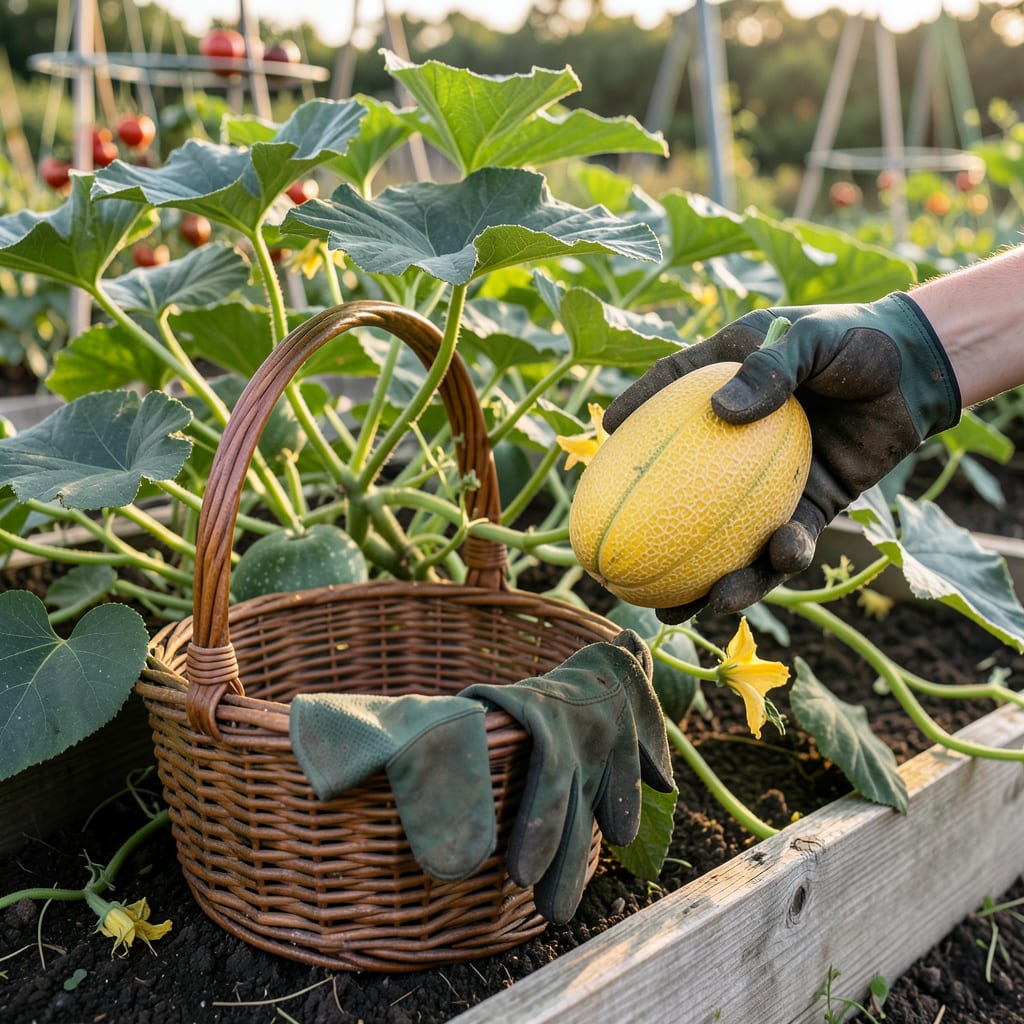
Nothing beats the disappointment of cutting into a cantaloupe only to find it underripe—or worse, overripe. That perfect balance of sweetness and juiciness depends entirely on picking it at just the right moment.
After years of trial and error in my garden, I’ve narrowed it down to 5 foolproof signs that take the guesswork out of harvesting. Whether you’re a first-time grower or a seasoned pro, these simple checks will ensure your 🍈 cantaloupes are ripe, flavorful, and ready to enjoy.


Even experienced gardeners sometimes misjudge cantaloupe ripeness. The most common error? Relying solely on size—a big melon isn’t always ripe! I’ve seen gardeners harvest glossy green cantaloupes thinking they’re ready, only to be met with hard, flavorless flesh.
Another frequent mistake is ignoring the stem attachment. Many assume a green stem means unripe, but the real test is whether the fruit separates easily with gentle pressure. Overlooking the blossom end’s softness or aroma can also lead to disappointing harvests.
I once waited too long because the stem stayed green, only to find the cantaloupe overripe and mushy inside. The lesson? Stem color isn’t reliable—focus on the fruit’s separation from the vine instead. A ripe cantaloupe will almost “fall into your hand” with minimal effort.
Don’t forget the aroma test! If your cantaloupe lacks that sweet, musky scent at the blossom end, it’s not ready. I’ve also seen gardeners confuse weathered netting (from rain) with ripeness. True ripeness shows in dull beige skin, not just rough texture.
Timing matters too. In cooler climates, cantaloupes may need extra days to ripen fully. If your days-to-maturity (usually 75-85 days) have passed but signs aren’t there, give it a few more sun-filled days. Patience pays off with sweeter fruit!
Finally, avoid the “thump test” myth. While some swear by listening for a hollow sound, it’s unreliable for beginners. Stick to the visual and tactile cues we’ve covered—your taste buds will thank you. Trust me, a perfectly ripe cantaloupe is worth the wait! 🍈
You’ve picked your cantaloupe at the perfect moment—now what? Proper post-harvest handling ensures that sweet, juicy flavor stays locked in. I’ve learned the hard way that even a perfectly ripe melon can turn mushy if stored incorrectly. Let’s keep that harvest fresh!
First, resist the urge to wash your cantaloupe before storing. Moisture speeds up spoilage, so I gently brush off dirt with a dry cloth instead. If your melon isn’t fully ripe, don’t worry—it can ripen further indoors at room temperature over 2-3 days.
For partially ripe cantaloupes, place them in a paper bag with an apple or banana to speed up ripening. The ethylene gas they release works wonders! Check daily—once the blossom end yields to gentle pressure and smells sweet, it’s ready for the fridge.
Once ripe, store whole cantaloupes in the crisper drawer at 40-45°F. I’ve found they stay fresh longest when kept unwashed and dry. If you’ve cut into it, cover the exposed flesh with plastic wrap to prevent drying out and odor absorption from other foods.
Watch for overripeness signs: a strong fermented smell, soft spots, or oozing liquid. If you spot these, use the melon immediately in smoothies or freeze the flesh in cubes. Trust me, nothing’s worse than a soggy cantaloupe—so check stored melons every 2 days! 🍈
If the stem resists gentle pressure, your cantaloupe needs 2-3 more days of sun. Check the rind color—it should shift from green to dull beige before attempting again. Forcing separation can damage the vine and fruit.
Yes, but only if the rind has started turning beige. Place unripe melons in a paper bag with an apple at room temperature for 2-4 days. Check daily for aroma development. Fully green cantaloupes won’t ripen properly off the vine.
A fermented odor means it’s overripe. This happens when left too long on the vine or stored improperly. Use overripe cantaloupes immediately in smoothies or freeze the flesh. Next time, harvest when you first detect a sweet musky scent.
Whole ripe cantaloupes keep in the fridge for 5-7 days. Store them unwashed in the crisper drawer at 40-45°F. Once cut, wrap tightly in plastic and eat within 3 days. Avoid storing near ethylene producers like apples.
The thump test is unreliable for beginners. A ripe cantaloupe should sound dull and hollow, but this requires experience to judge correctly. Focus instead on stem separation, rind color, and aroma—these give clearer signals for perfect ripeness.
