
Beautiful Plants For Your Interior
Beautiful Plants For Your Interior
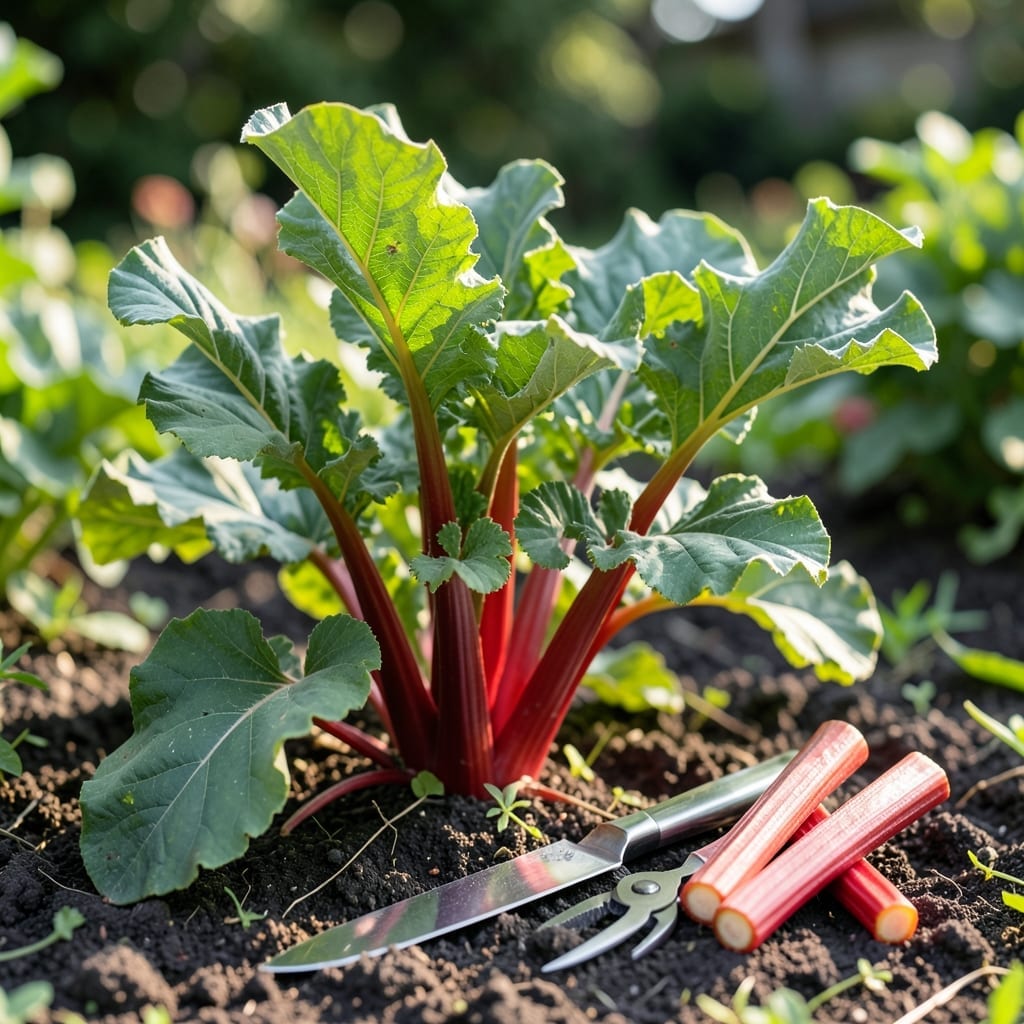
Ever stood in your garden staring at 🌱 Rhubarb stalks, wondering if they’re ready to pick? That moment of uncertainty can cost you the perfect harvest. I’ve been there, and it’s frustrating to guess wrong.
Timing is everything with this spring crop. Picking too early means tart, stringy stalks, but waiting too long can reduce your yield. There are clear signs to watch for that take the guesswork out of the process.
Let me walk you through the most reliable visual and tactile cues. You’ll learn how to confidently identify prime rhubarb every time, ensuring the best flavor for your kitchen creations.
I always check my rhubarb plants in early spring, looking for those first signs of readiness. The most reliable indicator is stalk length—10 to 15 inches is the sweet spot for most varieties.
Color is another giveaway. While some varieties stay green, a deep red hue on stalks often signals peak ripeness. But don’t rely on color alone—firmness matters most.
| Sign | What to Look For |
|---|---|
| Stalk Length | 10-15 inches long |
| Stalk Firmness | Thick, crisp, and snaps cleanly |
| Leaf Condition | Fully unfurled, healthy green |
| Color | Deep red or consistent green |
I always test stalk firmness by gently squeezing. A ripe stalk feels solid and crisp, not soft or spongy. If it bends easily, it’s not ready yet.
The leaves tell a story too. They should be fully open and vibrant. If they’re still curled or look wilted, give your plant more time.
Early morning is my favorite time to check because the stalks are most turgid after a cool night. This makes it easier to assess their true firmness and readiness.
Remember that first-year plants need special care. I avoid harvesting in their first season to let them establish strong roots for future bountiful harvests.
For established plants, I harvest regularly—every 1 to 2 weeks during peak season. This encourages new growth and extends my harvest window through early summer.
If you see flower stalks forming, remove them immediately. They divert energy from stalk production, reducing your overall yield of edible rhubarb.
With these signs in mind, you’ll never second-guess your rhubarb’s readiness again. Happy harvesting! 🌱
I’ve learned the hard way that timing is everything with rhubarb. Picking too early gives thin, stringy stalks that lack flavor and texture. Waiting too long can make them woody and tough.
Another common mistake is ignoring stalk thickness. I always look for stalks that are at least 3/4 to 1 inch in diameter. Anything thinner usually means the plant isn’t ready.
Pulling stalks instead of cutting can damage the plant’s crown and roots.
Harvesting first-year plants weakens them and reduces future yields.
Leaving flower stalks drains energy from edible stalk production.
I never pull stalks from the plant. Instead, I use a sharp knife or garden shears to cut them cleanly at the base. This prevents injury to the plant crown and encourages healthy regrowth.
It’s tempting to harvest all stalks at once, but I limit myself to 1/3 of the plant at a time. This ensures the rhubarb stays vigorous and continues producing throughout the growing season.
I also avoid harvesting after mid-summer. The plant needs time to recover and store energy for next year. Late harvests can stress the plant and reduce next season’s yield.
Finally, I always check for pest damage or disease before picking. Damaged stalks should be removed and discarded, not harvested for use. This keeps my plants healthy and productive. ✂️