
Beautiful Plants For Your Interior
Beautiful Plants For Your Interior
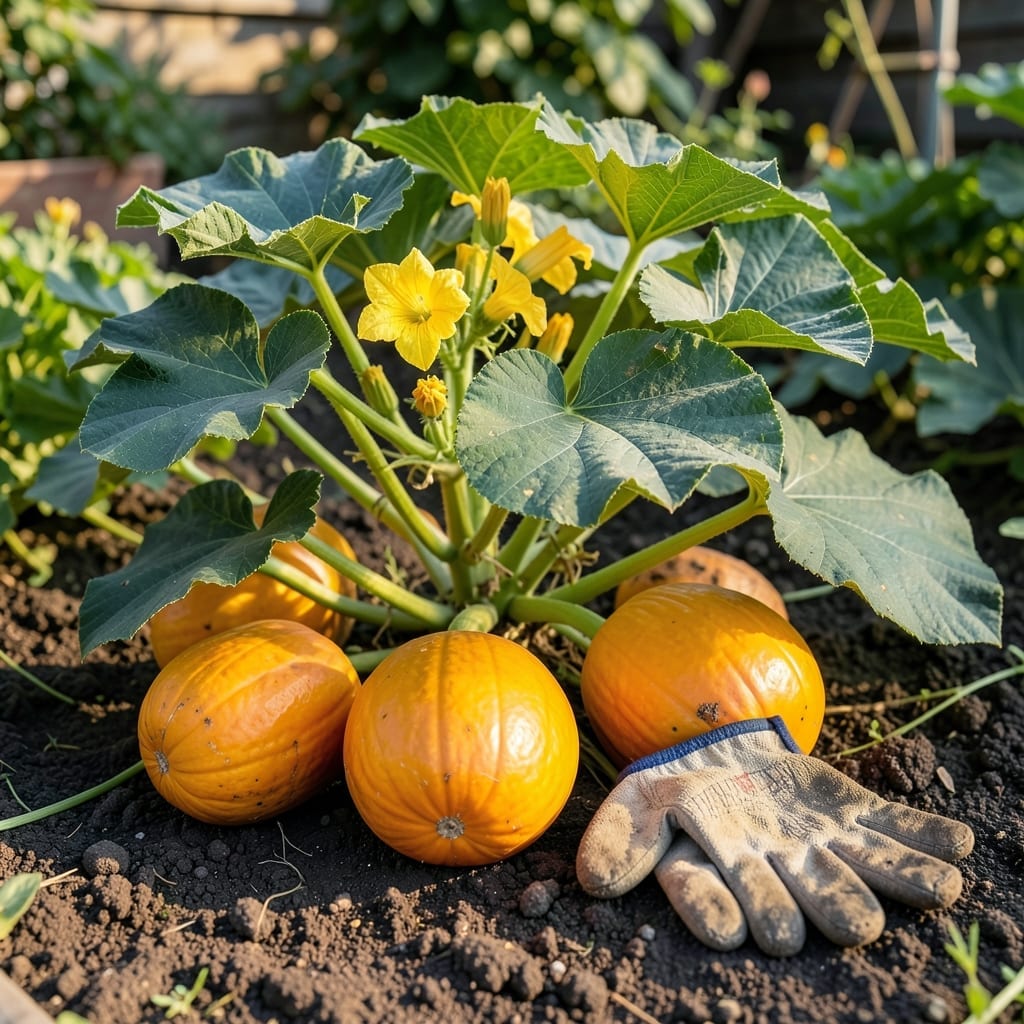
Nothing ruins a harvest faster than picking 🎃 Squash too early or too late. That perfect moment between underripe and overripe is what separates good gardeners from great ones.
I’ve seen too many people guess and get it wrong, but there are simple ways to know for sure. The signs are there if you know where to look.
Discover the foolproof visual cues and easy tests that guarantee you’ll harvest Squash at its peak every time.
I always tell gardeners that color is your first clue. For zucchini and yellow squash, look for bright, uniform color without green streaks. With butternut and acorn squash, the rind deepens to tan or dark green.
Size matters too, but don’t rely on it alone. A mature zucchini is 6-8 inches long, while butternut should reach 8-12 inches. Pumpkins are the exception—they’re ready when the rind hardens and the stem dries out.
| Variety | Color | Rind Texture | Stem Condition |
|---|---|---|---|
| Zucchini | Deep green | Firm, glossy | Moist but drying |
| Yellow Squash | Bright yellow | Firm, smooth | Moist but drying |
| Butternut | Tan or deep green | Hard, dull | Dry, woody |
| Acorn | Dark green | Hard, glossy | Dry, brown |
| Pumpkin | Deep orange | Very hard | Dry, corky |
The stem tells a story you can’t ignore. A green stem means your winter squash isn’t ready, while a dry, brown stem signals it’s time. For summer squash, the stem may still be slightly moist at harvest.
Another trick I use is the rind test. Press your fingernail into the skin. If it resists puncture, it’s ready. If it gives easily, give it more time. This works for all winter squash varieties.
For pumpkins, check the ground spot. A cream-colored patch where it touches the soil means it’s ripe. If it’s still green or white, wait a few days and test again.
Acorn squash often develops a dull finish when ready. The glossy skin of immaturity fades as the sugars develop inside. I’ve found this is one of the easiest visual cues for beginners.
Size can be misleading, especially with zucchini. A giant zucchini might look impressive, but it’s often overripe and seedy. Stick to the 6-8 inch range for best flavor and texture.
With butternut squash, the color change from green to tan is dramatic. But don’t harvest based on color alone—always combine this with the rind hardness and stem dryness tests.
I’ve made the mistake of harvesting summer squash too large, thinking bigger meant better. But smaller is often tender and more flavorful. The ideal size ensures you get the best texture and taste from your harvest ✂️
Beyond just looking, I rely on 3 foolproof tests to confirm ripeness. The fingernail test works for most winter squash—press your nail into the rind. If it doesn’t puncture, it’s ready.
For pumpkins and butternut, the tap test is gold. Tap the squash with your knuckles—a hollow sound means it’s ripe. A dull thud tells you to wait.
The stem check is non-negotiable for winter squash. A dry, woody stem means the squash has stopped growing. If it’s still green and flexible, leave it on the vine.
I’ve found the fingernail test is most reliable for acorn squash. The rind hardens significantly as it ripens. If your nail leaves a mark, give it a few more days in the garden.
For summer squash like zucchini, the tap test isn’t as effective. Instead, focus on size and skin texture. A 6-8 inch zucchini with shiny skin is at peak ripeness.
Remember, these tests work best in dry conditions. If you’ve had recent rain, wait for the squash to dry before testing. Moisture can give false readings, especially with the tap test.
I always combine at least 2 tests for confirmation. The stem check and fingernail test together have never let me down. It’s the surefire way to harvest at the perfect moment ✂️