
Beautiful Plants For Your Interior
Beautiful Plants For Your Interior
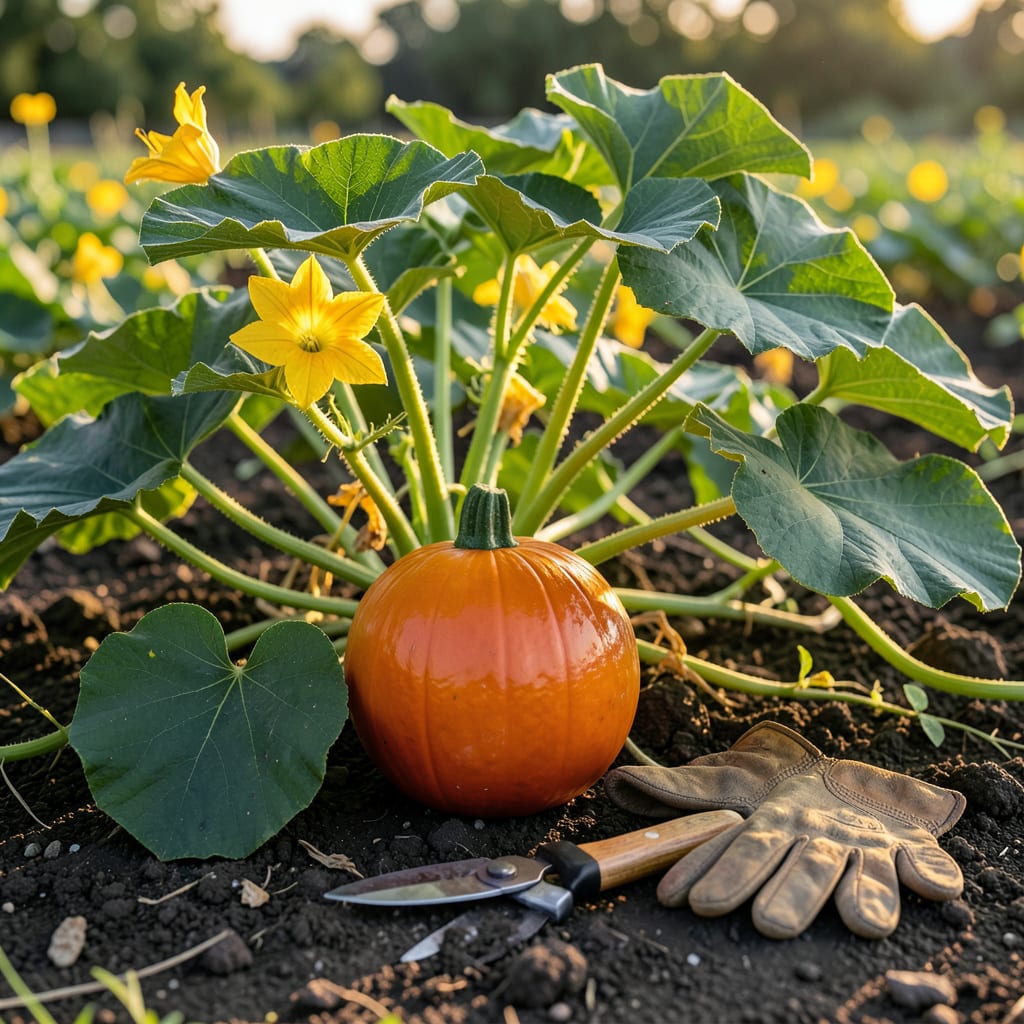
I remember the first time I picked a 🎃 Squash too early – what a disappointment. That moment taught me how crucial timing is for the best flavor and texture.
Let me share the easiest ways to check if your Squash is perfectly ripe. You’ll learn how to spot the subtle signs that make all the difference.


I’ve learned that timing is everything when harvesting squash. Picking at the right moment ensures the best flavor and texture for your hard-earned produce. Let’s dive into the telltale signs.
For most varieties, the rind hardness is your first clue. A mature squash will have a dull, tough exterior that resists pressure from your thumbnail. This is especially true for winter squash like butternut or acorn.
| Sign | Summer Squash | Winter Squash |
|---|---|---|
| Rind Hardness | Tender, puncturable | Hard, resists nail |
| Stem Condition | Soft, green | Dry, woody, brown |
| Color | Bright, glossy | Dull, deep hue |
| Size | Small to medium | Full mature size |
For summer squash like zucchini, the skin should still be shiny and tender but the fruit firm. If your thumbnail leaves a mark, it’s not ready yet. Wait until the squash reaches 6-8 inches in length for best results.
Another key indicator is the stem condition. For winter squash, the stem should be dry and woody where it attaches to the vine. If it’s still green and moist, give it more time on the plant.
Color is also a reliable signal. Butternut squash turns a deep tan, while acorn squash develops a dark green with orange patches. Each variety has its unique mature color, so know your plant type.
Don’t forget the nail test for winter varieties. Press your thumbnail into the rind—if it doesn’t puncture easily, your squash is ready. This simple test works for butternut, acorn, and hubbard types.
Size matters too. For example, butternut squash should be about 8-12 inches long, while acorn squash typically reaches 4-7 inches in diameter. Check seed packets for specific size guidelines.
Finally, watch for vine dieback. When the vines start to yellow and wither, it’s nature’s way of saying the squash is ready. This is common for winter squash varieties as they reach maturity.
With these signs in mind, you’ll never second-guess your harvest timing again. Happy picking! 🌿
I’ve seen many gardeners ruin their harvest by picking squash too early or waiting too long. Both mistakes affect flavor and storage life significantly.
Another common error is using dull tools or yanking the fruit off the vine, which can damage the plant and reduce future yields.
⚠️ Avoid These Harvesting Blunders
Picking immature squash leads to poor texture, while overripe fruit attracts pests and rots quickly.
Never harvest in wet conditions as moisture can spread disease. Always wait for dry weather and use clean pruners for a clean cut.
Ignoring the stem condition is another pitfall. A green stem means the squash isn’t ready, while a dry, brown stem signals maturity.
For winter squash varieties, resist the urge to pick early. These need full maturation on the vine to develop their sweet flavor and long storage potential.
Lastly, check the rind with your thumbnail. If it punctures easily, the squash isn’t ready for harvest yet.
By avoiding these mistakes, you’ll ensure a high-quality harvest every time ☀️
I’ve found that each squash variety has its own unique harvest signals. Knowing these differences ensures you pick at the perfect moment for each type in your garden.
Summer squash like zucchini and yellow crookneck are ready quickly, often in 45-55 days. They’re best picked when small and tender, typically 6-8 inches long for zucchini.
| Variety | Days to Harvest | Ideal Size | Rind Test |
|---|---|---|---|
| Zucchini | 45-55 | 6-8″ long | Tender, puncturable |
| Butternut | 85-100 | 8-12″ long | Hard, resists nail |
| Acorn | 80-90 | 4-7″ diameter | Hard, dull finish |
Winter squash like butternut and acorn take longer, usually 80-100 days. Their rinds must be fully hardened and they should have dry, woody stems before harvesting.
For spaghetti squash, look for a hard yellow rind and a stem that’s turned brown and corky. The fruit should feel heavy for its size when ready.
Remember, size isn’t everything. Always combine visual cues with the thumbnail test and stem condition for the most accurate harvest timing. 🌱
Mature squash develops a dull, deep hue specific to its variety. Butternut turns deep tan, while acorn becomes dark green with orange patches. A glossy appearance often means it needs more time.
Use the thumbnail test—press your nail into the rind. If it resists puncture and the skin feels hard, it’s ready. For summer types like zucchini, the rind should still be tender but firm.
A dry, woody stem signals full maturity, especially in winter squash. A green, moist stem means the fruit is still drawing nutrients from the plant and isn’t ready yet.
Never harvest when plants are wet. Moisture spreads disease and can cause rot. Always wait for dry conditions and use clean pruners for a clean cut.
