
Beautiful Plants For Your Interior
Beautiful Plants For Your Interior
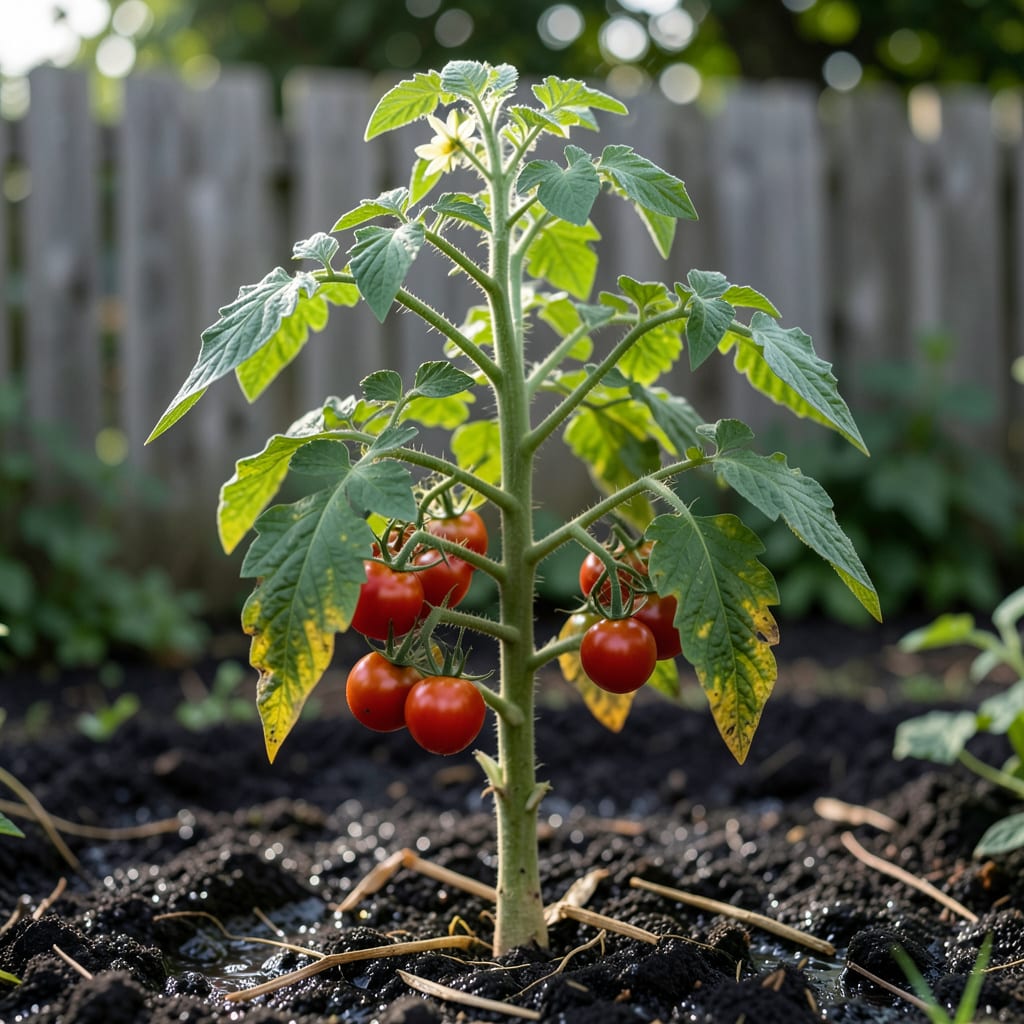
That drooping, yellow-leafed 🌱 General Plant in your garden might not be begging for water—it could be drowning in silence. Overwatering is the silent killer of more houseplants and garden favorites than you’d think, often mistaken for thirst or disease.
Before you reach for that watering can again, let’s decode the 5 unmistakable signs your plant is getting too much love. I’ll show you how to spot the red flags early and exactly what to do to save your green friend from root rot ruin.
I’ve lost count of how many gardeners I’ve seen accidentally drown their plants while trying to keep them hydrated. The problem? Overwatering symptoms often mimic underwatering, leading to more water when your plant is actually begging for air.
Your tomato plants or monstera might be sending SOS signals through yellow leaves, soft stems, or fungus-gnats. Let me show you exactly what to look for—because catching these signs early can mean the difference between revival and plant funeral.
💡 Plant-Specific Clue: Succulents get translucent, squishy leaves while ferns develop brown, papery tips when overwatered.
The soil smell test is my secret weapon. Healthy soil has an earthy aroma, but overwatered soil smells sour or rotten—like a wet towel left in a gym bag. This odor comes from anaerobic bacteria thriving in waterlogged conditions.
Don’t just check the surface—dig down 2-3 inches with your finger. If it feels cool and damp beyond the top layer, your plant is sitting in water. For potted plants, the weight test works wonders: lift the pot when soil is properly moist, then compare after watering.
I always remind gardeners that drooping leaves can mean either too much or too little water. The difference? Overwatered leaves feel soft and limp, while underwatered leaves feel dry and crispy. This simple touch test saves me from misdiagnosing 90% of plant problems.
Remember that different plants show distress differently. My snake plants get floppy, yellow leaves, but my peace lilies develop brown leaf edges when overwatered. Always research your specific plant’s normal vs. stressed appearance to spot issues early.
If you catch overwatering early, most plants recover beautifully. I’ve revived near-dead jade plants and wilting tomatoes by simply stopping water and improving drainage. The key is acting at the first sign of trouble—not waiting until leaves start dropping.
For severe cases with black, mushy roots, you’ll need to repot. I’ll show you exactly how in the next section, but first: grab your plants and do the finger test right now. You might be surprised by what you find! 🌱
When I spot those yellowing leaves or mushy stems, my first instinct is to grab the watering can—but that’s often the worst thing to do. Overwatering suffocates roots and invites fungal diseases, but quick action can save your plant. Here’s how I revive them.
Start by stopping all watering immediately, even if the soil looks dry on top. The damage is below the surface, where soggy roots can’t breathe. I’ll show you the exact steps to drain excess moisture and help your plant recover.
For severe cases where roots are black and mushy, I repot the plant entirely. Remove all old soil, trim rotted roots with sterilized tools, and replant in fresh, well-draining mix. Add perlite or sand to improve drainage.
Houseplants like peace lilies and pothos bounce back quickly with this method, but succulents need extra caution. I’ve saved overwatered jade plants by letting them dry out completely for a week before resuming care.
Prevent future issues by testing soil moisture with your finger—don’t rely on schedules. Remember: Most plants die from kindness, not neglect. When in doubt, wait an extra day to water.
If your plant doesn’t improve in 7-10 days, check for root rot or fungal infections. Early intervention makes all the difference—don’t wait until leaves start dropping! 🌱
When your peace lily or tomato plant starts looking sad, most gardeners assume it’s thirsty. But here’s the kicker: overwatering mimics thirst in sneaky ways. I’ve seen more plants die from kindness (too much water) than neglect (too little).
The key is knowing what to look for. Yellow leaves, mushy stems, and soil that smells like a swamp are your plant’s way of screaming, “I’m drowning!” Let’s break down the 5 most obvious red flags—so you can act fast.
💡 Pro Tip: Succulents and snake plants show translucent, squishy leaves when overwatered—far cry from their usual plump firmness.
Here’s the tricky part: some plants (like calatheas or ferns) naturally love moisture, but even they have limits. If your soil smells sour or you spot tiny gnats buzzing around, that’s a sign of anaerobic bacteria—a classic overwatering side effect.
Don’t just check the surface—dig down 2-3 inches with your finger. If it’s damp and cool, hold off on watering. For potted plants, lift the pot: a heavy, waterlogged container is a dead giveaway. Compare it to the weight when the soil is just-right moist.
Remember, most plants recover if you catch overwatering early. Stop watering immediately, move the plant to a bright, airy spot, and let the soil dry out. For severe cases, I’ll show you how to repot and revive in the next section—so don’t toss that sad monstera just yet!
Yellow leaves signal oxygen starvation in roots. When soil stays soggy, roots can’t absorb nutrients properly. Unlike dry, crispy leaves from underwatering, these feel soft and limp to the touch.
Yes, if caught early! Remove black, mushy roots with sterilized scissors, then repot in fresh, dry soil. For mild cases, stop watering and let the soil dry completely before resuming care. Recovery takes 2-4 weeks.
Test every 2-3 days by inserting your finger 2 inches deep. If it feels damp, wait. Potted plants need more frequent checks than garden plants. Morning is ideal—soil is most consistent before daily temperature swings.
Move the plant to a sunny, breezy spot and set a fan on low for 2-3 hours. For potted plants, tip it sideways to drain excess water. Replace the top 1-2 inches of soil with dry mix to speed recovery.
No! Succulents get squishy, translucent leaves, while ferns develop brown tips. Tomatoes show blisters on leaves. Always research your specific plant—what’s normal for a peace lily differs from a snake plant.
