
Beautiful Plants For Your Interior
Beautiful Plants For Your Interior
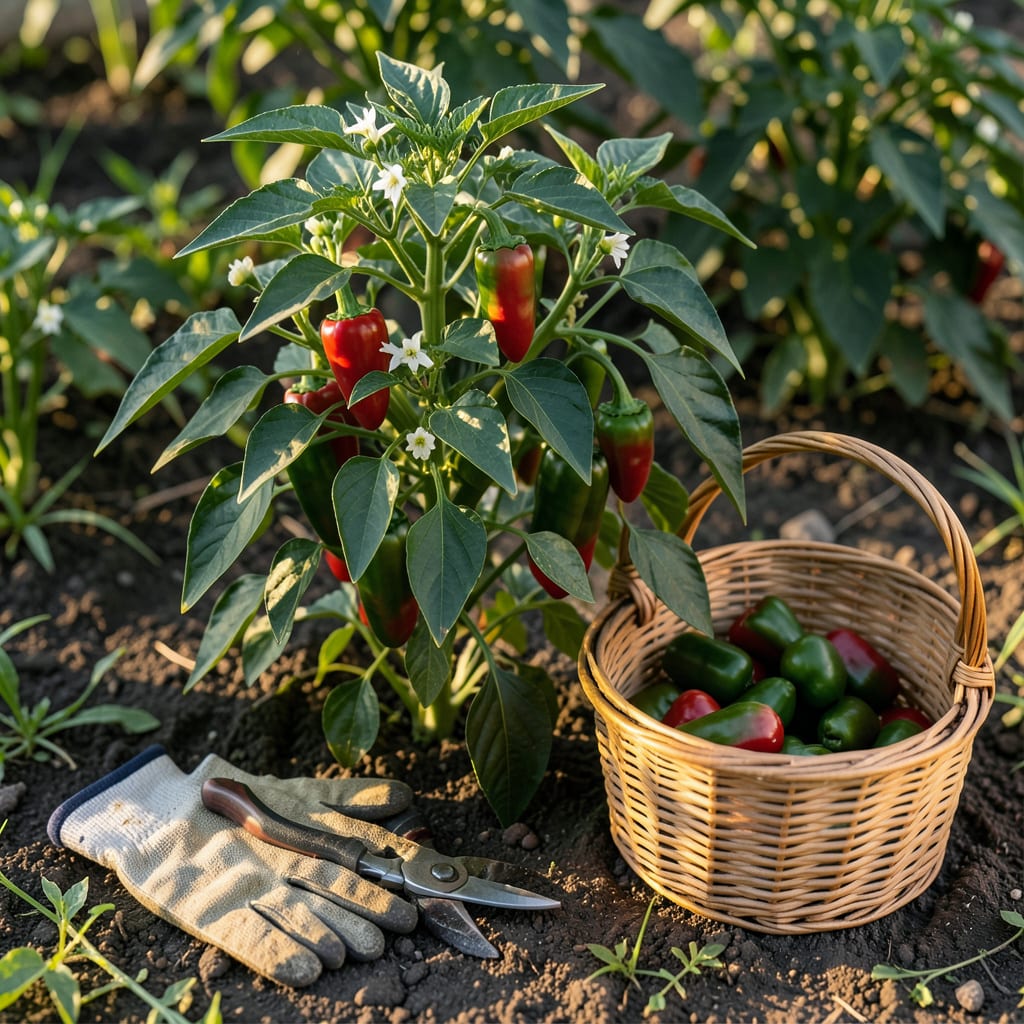
Nothing beats the satisfaction of plucking a perfectly ripe 🌶️ Jalapeno from your garden. But how do you know when it’s truly ready?
I’ll show you the 3 surefire signs to look for, from color changes to texture, so you never pick one too soon or too late again.


I’ve found that the easiest way to spot a ripe jalapeño is by its color transformation. Green jalapeños turn a deep, vibrant green, while red varieties shift to a rich crimson hue. This change signals full maturity and peak flavor development.
Another clear indicator is size and shape. Mature jalapeños typically measure 2-3 inches long and feel plump. If they’re still small or shriveled, they need more time on the plant.
🌱 Jalapeño Ripeness Signs
| Sign | Ready When |
|---|---|
| Color | Deep green or red |
| Size | 2-3 inches long |
| Texture | Firm and glossy |
The skin texture is another giveaway. A ripe jalapeño has smooth, glossy skin that feels taut to the touch. If it’s dull or wrinkled, it’s either underripe or past its prime.
Don’t overlook the stem area. When jalapeños are ready, the stem turns brown and dries out slightly. This is nature’s way of saying the pepper is detachment-ready.
I always check for uniform color too. Patchy or light green spots mean the pepper isn’t fully mature. Wait until the entire surface shows its final color for best results.
For red jalapeños, the transition from green to red can take time. Be patient—this color change means the sweetness and heat are at their peak. Green ones are milder but still delicious.
If you’re unsure, compare multiple peppers on the plant. The ripest ones will stand out with their vibrant color and firmness. This visual comparison helps me decide which to pick first.
Remember that size varies by variety. While most jalapeños hit 2-3 inches, some types may be slightly larger or smaller. Always check your seed packet for specifics.
Lastly, look for healthy plant signs. A thriving jalapeño plant with dark green leaves and strong stems produces the best peppers. If the plant looks stressed, the peppers may not ripen properly.
With these visual cues, you’ll never second-guess your harvest timing again. Happy picking! 🌿
I always use the squeeze test first. Gently press the pepper—if it feels firm and solid, it’s likely ripe. A soft or spongy texture means it needs more time on the vine.
Another reliable method is the stem check. A ripe jalapeño will have a dry, brown stem where it attaches to the plant. If it’s still green and flexible, the pepper isn’t ready yet.
🌱 Ripeness Tests Without Cutting
The scent test works wonders too. Ripe jalapeños emit a strong, fresh pepper aroma. If you don’t smell much, it’s not ready. This works especially well for red varieties.
Try the weight test by comparing similar-sized peppers. The ripe ones will feel heavier in your hand due to their full juice content. Lighter peppers are usually underripe.
I also look at the sheen of the skin. A ripe jalapeño has a glossy, reflective surface. Dull skin often indicates it’s not quite mature, even if the color looks right.
For green jalapeños, the color should be deep and even. If you see light green streaks, wait a few more days. Red jalapeños should be a consistent crimson all over.
Remember, these tests work best when combined together. A jalapeño that passes 3-4 of these checks is almost certainly ready to harvest. I’ve never been steered wrong by this method! 🌿
I’ve seen many gardeners rush to pick their jalapeños too early, thinking they’re ready when they’re not. This often results in bitter or underdeveloped peppers that lack the full heat and sweetness jalapeños are known for.
Another common mistake is using dull tools for harvesting. A clean, sharp pair of pruning shears or scissors prevents damaging the plant and ensures a clean cut, which helps the plant continue producing more peppers.
⚠️ Harvesting Pitfalls to Avoid
Picking too early leads to bitter taste and poor texture.
Using dull tools can harm the plant and reduce future yields.
Ignoring plant health signals may result in stunted growth.
Many gardeners also overlook the plant’s overall health. If your jalapeño plant has yellowing leaves or looks stressed, the peppers may not ripen properly. Address any pests or diseases first before harvesting.
Timing is everything—harvest in the morning when the peppers are crisp and full of moisture. Avoid picking after rain or late in the day, as the peppers can be softer and less flavorful.
Lastly, don’t forget to harvest regularly. The more you pick, the more your plant will produce. Leaving overripe peppers on the vine can signal the plant to stop producing new ones. Keep a close eye and harvest as soon as they’re ready!
By avoiding these mistakes, you’ll enjoy a bountiful harvest of delicious, perfectly ripe jalapeños all season long. 🌿
Green jalapeños turn a deep, vibrant green when ready. For red varieties, wait until they develop a rich crimson hue. Patchy or light colors mean they need more time.
Most are ready at 2-3 inches long and feel plump. Smaller peppers may lack full flavor, while oversized ones can be tough. Always check firmness too.
Green jalapeños are milder but fully edible. Many prefer them at this stage. Just ensure they’re firm and glossy before harvesting.
Overripe peppers can become soft, wrinkled, or develop off flavors. They may also signal the plant to stop producing new ones. Harvest regularly for best results.
