
Beautiful Plants For Your Interior
Beautiful Plants For Your Interior
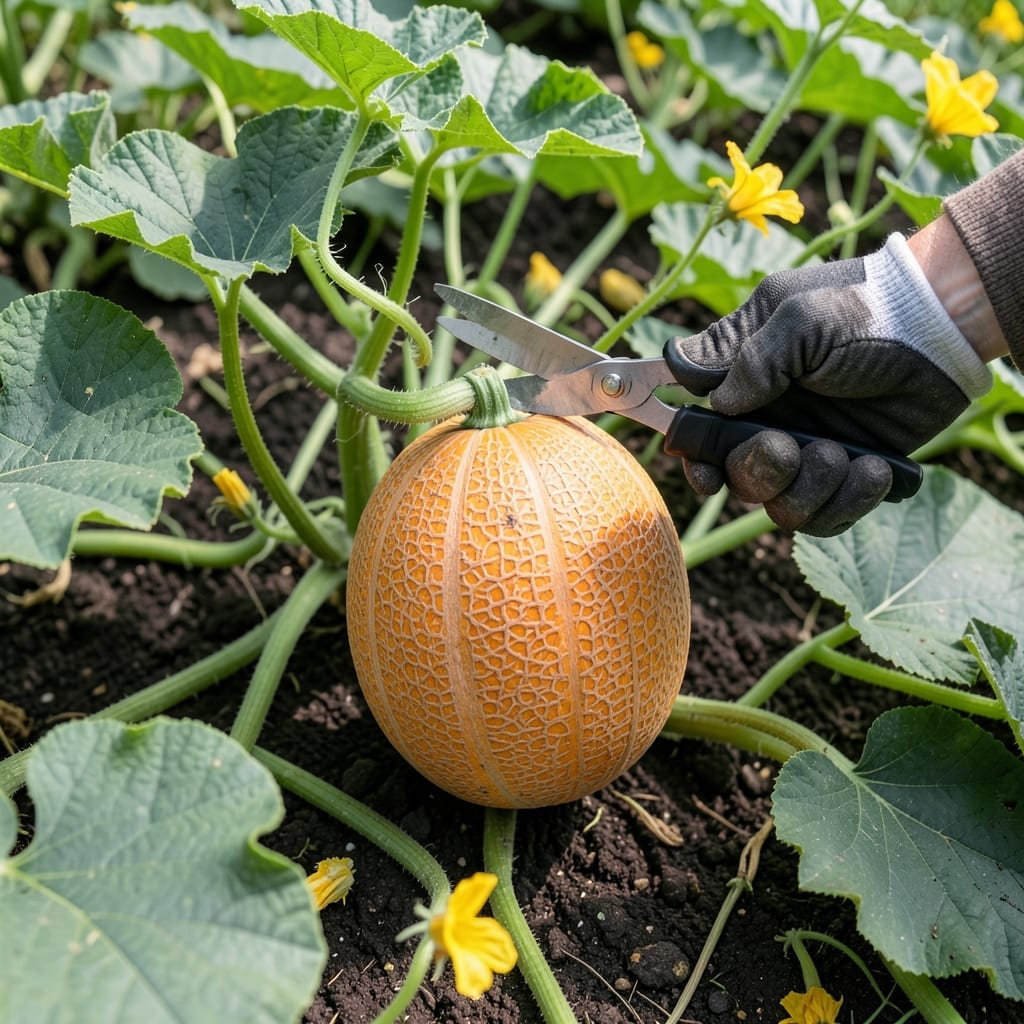
There’s nothing worse than cutting into a cantaloupe 🍈 only to find it’s not quite ready. I’ve been there, and it’s frustrating when you’re eager for that first sweet bite.
But here’s the good news: with the right knowledge, you can learn how to spot the perfect moment. It’s all about knowing what to look for.
From color changes to scent, I’ll share the most important signs that your cantaloupe is at its peak. Let’s make sure your next harvest is your best one yet.


I always watch for the color change first when checking my cantaloupes. The rind transitions from green to beige or tan underneath the netting as it ripens. This is one of the most reliable visual cues.
Another sign I look for is the netting pattern. It becomes more pronounced and raised when the melon is ready. The underside color is particularly telling—it should turn from green to a creamy yellow.
| Sign | Ripe Appearance |
|---|---|
| Rind Color | Beige or tan under netting |
| Netting Pattern | Pronounced and raised |
| Underside | Creamy yellow color |
| Stem | Begins to separate from vine |
The stem connection is another visual clue. When the cantaloupe is ready, the stem will start to detach naturally from the vine. This is called the “slip” stage, and it’s a sure sign of ripeness.
I also examine the blossom end of the melon. This is the opposite side from where the stem attaches. A ripe cantaloupe will have a slightly softened blossom end, which you can see by comparing it to other melons on the vine.
Don’t overlook the size and shape either. While size alone isn’t a perfect indicator, a ripe cantaloupe will typically be full and round with a uniform shape. The netting should cover the entire surface.
In my garden, I’ve noticed that the color change happens gradually. The green will start to fade from the blossom end first, then spread toward the stem. This progression is a great visual timeline of ripening.
The surface texture changes too. As the cantaloupe matures, the skin between the netting becomes smoother and more uniform in color. This is different from the mottled green appearance of an unripe melon.
Remember that weather conditions can affect the visual signs. Hot, dry weather might speed up the color change, while cooler, wetter conditions could slow it down. Always combine visual cues with other ripeness tests.
Finally, I recommend checking your cantaloupes daily once they start showing signs of ripening. The transition from not-quite-ready to perfectly ripe can happen quickly, sometimes in just a day or two.
With practice, you’ll become adept at spotting these visual changes from across the garden ☀️
While visual signs are important, I always use the touch test to confirm ripeness. The blossom end (opposite the stem) should yield slightly to gentle pressure when ripe. This is called the “give test” and is a reliable indicator.
Another method I swear by is the scent test. A ripe cantaloupe will emit a sweet fragrance at the blossom end. If you can smell that characteristic melon sweetness, it’s likely ready to pick.
I find that the blossom end is the most sensitive part for testing. When applying pressure, use your thumb and it should feel slightly soft, like pressing a ripe avocado. Be gentle though—too much pressure can damage the fruit.
The scent test works best on warm days when the melon’s aroma is strongest. I like to cup the blossom end in my hands and take a deep breath. A ripe cantaloupe will have that unmistakable sweet smell.
For the most accurate results, I recommend using both the touch and smell tests together. A melon that passes both is almost certainly ready. If it’s not quite there, check again in a day or two.
Remember that temperature affects scent. On cooler days, the aroma might be less noticeable. If you’re unsure, try the touch test first and come back to check the smell later in the day when it’s warmer.
With these simple tests, you’ll never have to guess about your cantaloupe’s ripeness again 🌿