
Beautiful Plants For Your Interior
Beautiful Plants For Your Interior
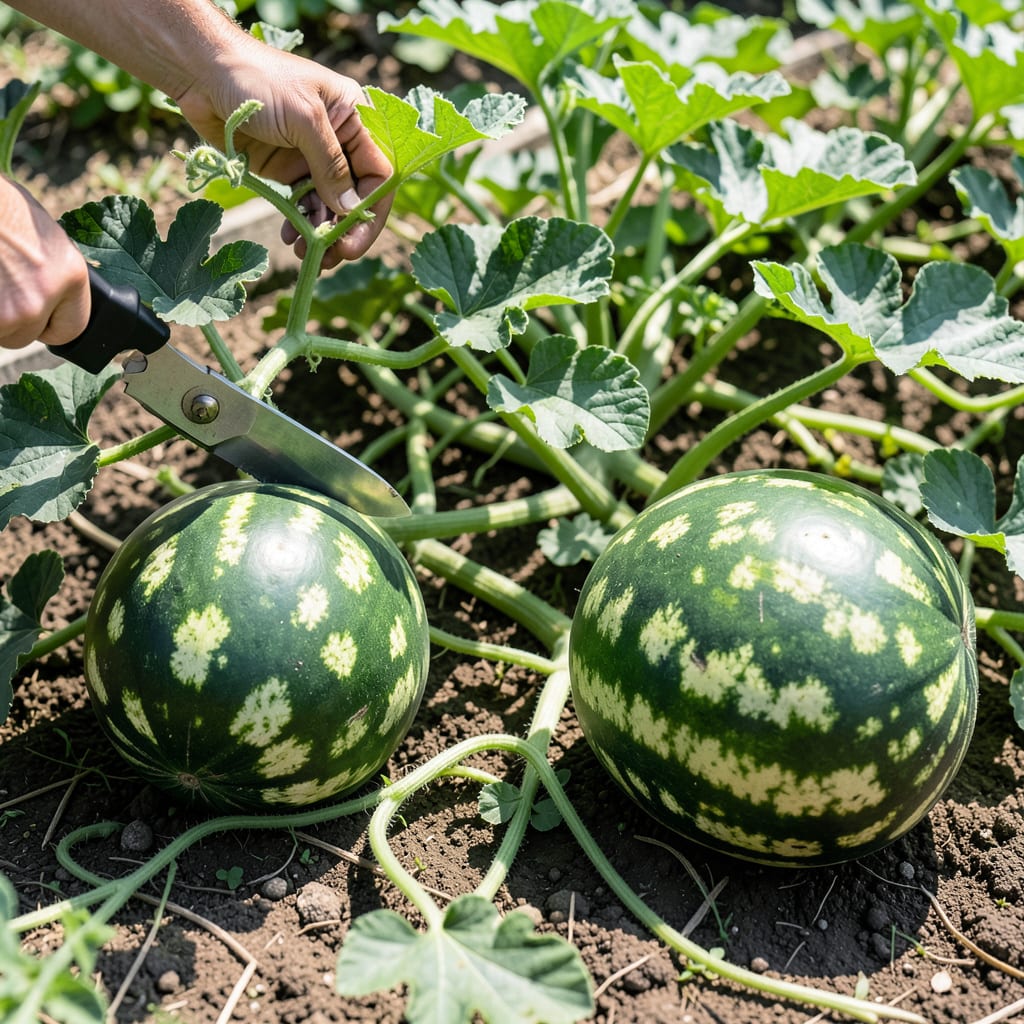
Nothing beats the taste of a perfectly ripe 🍉 Watermelon fresh from your garden. But how do you know it’s ready to pick?
I’ll share the 5 field-tested tricks that take the guesswork out of harvesting. These simple checks will ensure you get the sweetest, juiciest fruit every time.


I’ve found that tendril drying is one of the most reliable signs. The curly tendril nearest the stem turns brown and dry when the fruit is ready. This happens because the plant stops sending nutrients to the fruit once it’s mature.
Another great indicator is the ground spot color. When the underside of the watermelon changes from white to cream or yellow, it’s a clear sign of ripeness. A dull rind also signals that the fruit is no longer actively growing.
| Method | How to Check | Ripeness Sign |
|---|---|---|
| Tendril Test | Inspect curly stem | Brown and dry |
| Ground Spot | Check underside color | Cream or yellow |
| Rind Appearance | Observe surface shine | Dull, not shiny |
| Sound Test | Tap the fruit | Deep, hollow sound |
| Stem Condition | Examine stem | Dry and brittle |
The sound test is a classic method that I swear by. Tap the watermelon with your knuckles. A deep, hollow sound means it’s ripe, while a high-pitched or metallic tone indicates it needs more time. This works because the fruit’s internal structure changes as it matures.
I always check the stem condition too. If the stem is green, the watermelon isn’t ready. Once it turns brown and dry, the fruit is likely at its peak. This method is especially useful for gardeners who want to avoid picking too early.
For the rind hardness test, press your thumbnail into the rind. If it resists penetration, the watermelon is ripe. A soft rind means it’s underripe, while an overly hard rind might indicate it’s past its prime. This test is quick and easy to perform in the field.
I recommend combining multiple methods for the most accurate results. For example, check the tendril and ground spot together, then confirm with the sound test. This approach ensures you’re not relying on just one indicator, which can sometimes be misleading.
Timing also matters. Most watermelons are ready 85 days after planting, but this can vary. If you planted in April, expect to harvest around July. Keep an eye on the weather conditions, as excessive rain or drought can affect ripening.
Finally, remember that size isn’t everything. A large watermelon isn’t necessarily ripe, and a smaller one might be perfectly sweet. Focus on the visual and auditory cues we’ve discussed for the best results. With practice, you’ll get better at spotting the perfect harvest time every season
🌱Even experienced gardeners sometimes misjudge watermelon ripeness, leading to harvests that are either underripe or past their prime. I’ve seen many rely too heavily on size or color alone, which can be misleading.
Another frequent error is misinterpreting the tendril test. Just because a tendril is drying doesn’t always mean the fruit is ready—it’s only one piece of the puzzle.
⚠️ Avoid These Ripeness Pitfalls
I’ve also noticed gardeners overlooking the ground spot, which is one of the most reliable indicators. A white or pale green spot means it’s not ripe, while a cream or yellow hue signals readiness.
Timing matters too—many pick too early because they’re eager. Watermelons typically need 70-100 days after planting, but this varies by variety and climate.
Don’t forget the rind texture. A shiny rind often indicates immaturity, while a dull finish suggests ripeness. This is a subtle but critical detail.
Finally, always combine multiple tests for accuracy. Using just one method increases the risk of error. Trust the process, and your harvest will reward you with perfect sweetness every time. ☀️
I’ve learned that weather conditions play a huge role in when your watermelon will be ready to pick. Hot temperatures and plenty of sun speed up ripening, while cool, cloudy days can slow it down. This means you may need to adjust your harvest timeline based on the season’s conditions.
Rainfall also impacts ripeness. Too much water can dilute the sugar content, making the fruit less sweet. If your area has had heavy rains, I recommend waiting a few extra days to let the sugar levels concentrate before picking. On the flip side, drought stress can cause the plant to mature fruit earlier than expected.
🌱 Key Weather Insights
Hot, sunny weather = faster ripening and sweeter fruit.
Excessive rain = delay harvest for optimal sugar content.
Drought conditions = check ripeness earlier than usual.
If you’re growing in a cooler climate, your watermelons might take longer to mature. I’ve found that in these areas, it’s especially important to use the ground spot and tendril tests to confirm ripeness, as the fruit might not show the usual color changes as clearly.
For gardeners in humid regions, keep an eye out for fungal diseases that can affect the plant’s health and, in turn, the fruit’s development. Ensuring good air circulation and proper spacing can help mitigate these issues and keep your watermelons on track for a timely harvest.
No matter your climate, I always suggest checking your watermelon in the early morning when the fruit is cool. This makes it easier to hear the hollow sound during the thump test. With practice, you’ll learn how your local growing conditions influence the best harvest time. ☀️
The underside, or ground spot, should be cream or yellow when ripe. A white or pale green spot means it needs more time to mature.
Gently tap the watermelon with your knuckles. A deep, hollow sound indicates ripeness, while a high-pitched or metallic tone means it’s not ready yet.
No, size isn’t a reliable indicator. A large watermelon can still be underripe, while a smaller one might be perfectly sweet. Always use multiple tests like the tendril check or ground spot color for accuracy.
Hot, sunny weather speeds up ripening, while cool, cloudy days can delay it. Adjust your harvest timeline based on recent conditions.
