
Beautiful Plants For Your Interior
Beautiful Plants For Your Interior
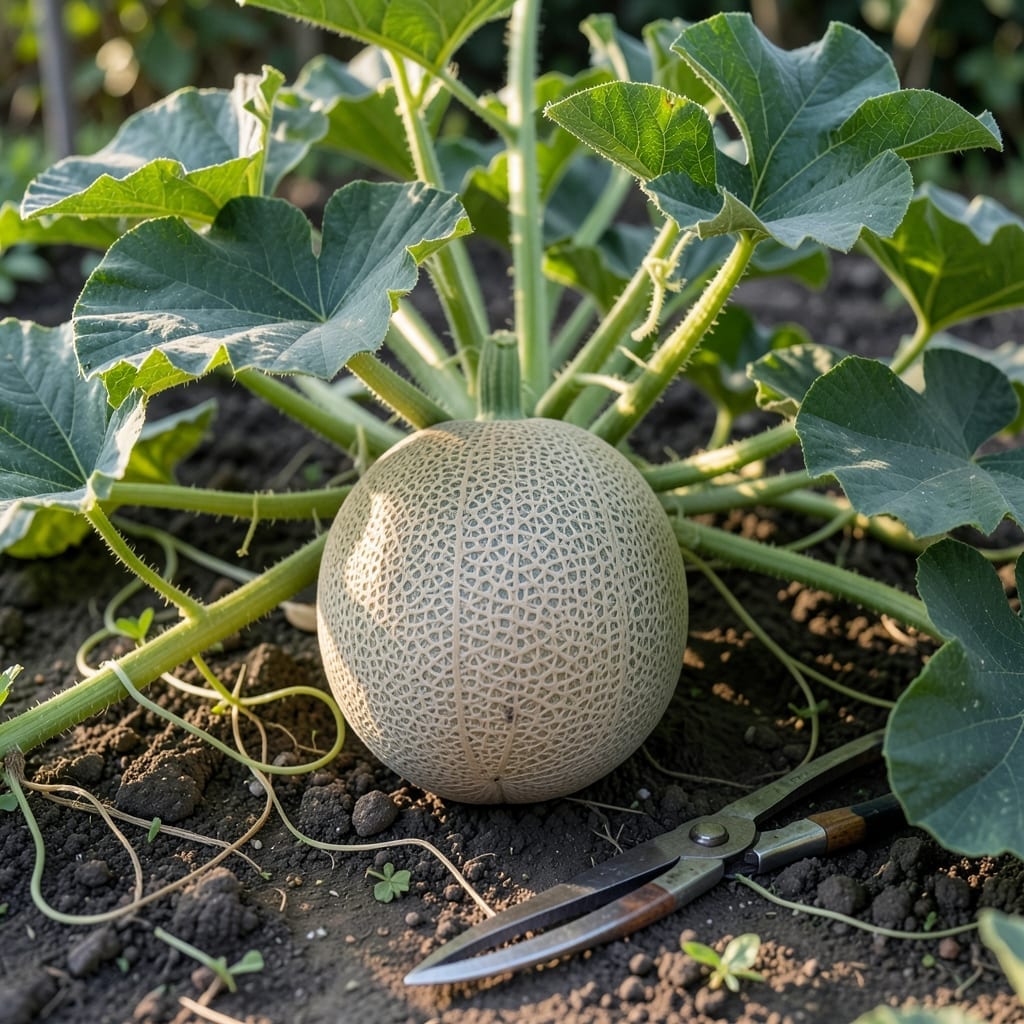
Picking the perfect 🍈 cantaloupe can be tricky—too soon and it’s bland, too late and it’s mushy. I’ve been there, staring at a vine full of fruit wondering which one is ready.
What if you could confidently pick at peak ripeness every time? The difference between a mediocre melon and a juicy, sweet masterpiece is all in the details.
Let me share the foolproof sensory signs that guarantee you’ll harvest the best cantaloupes from your garden. Your taste buds will thank you.


I’ve learned that picking the perfect cantaloupe isn’t about guesswork—it’s about using your senses. The stem end often holds the first clue, and I always start there. A ripe one will have a subtle, sweet aroma that’s hard to miss.
The netting pattern on the rind is another telltale sign. When it turns from green to a beige or tan color and feels slightly rough, you’re on the right track. This change indicates the sugar content is peaking.
The blossom end (opposite the stem) should give just a little when you press it with your thumb. If it’s rock hard, the cantaloupe isn’t ready yet. But don’t press too hard—you don’t want to bruise it.
Sound might seem odd, but it works. Tap the melon with your knuckles—a ripe one will produce a deep, hollow sound. A high-pitched or dull thud means it’s either underripe or overripe.
I also pay attention to the stem itself. If it’s still firmly attached, the fruit isn’t ready. A ripe cantaloupe will have a stem that detaches with just a little pressure, a phenomenon called the “slip test.”
The color under the netting is another indicator. For most varieties, the background color should shift from green to yellow or cream. This is especially true for popular types like Hale’s Best or Ambrosia.
If you’re growing cantaloupes in your garden, I recommend checking them daily once they start to mature. The window for peak ripeness can be just a few days, so timing is everything.
Don’t forget to consider the weight. A ripe cantaloupe will feel heavy for its size, which indicates high water and sugar content. Compare a few from the same vine to get a sense of what’s normal.
Finally, trust your instincts. If the aroma is strong, the netting is tan, and the blossom end gives slightly, you’ve likely found a winner. With practice, these signs will become second nature. 🌱
Even experienced gardeners can make mistakes when picking cantaloupes. One common error is judging ripeness by size alone. Bigger doesn’t always mean better—it’s the sensory signs that truly matter.
Another pitfall is ignoring the stem end. Many people focus only on the blossom end or color, missing the sweet aroma that signals peak ripeness. Always start with a sniff.
Judging by size only—bigger isn’t always riper.
Ignoring the stem end—always check for aroma.
Overlooking netting color—green netting means not ready.
Pressing too hard—use gentle pressure on the blossom end.
Skipping the slip test—the stem should detach easily.
Overlooking the netting color is another mistake. If the netting is still green, the cantaloupe isn’t ready, no matter how good it smells. Wait for that tan or beige hue.
I’ve seen gardeners press too hard on the blossom end, which can bruise the fruit. A gentle thumb press is all you need—if it yields slightly, it’s ready. If not, give it more time.
The slip test is often skipped, but it’s one of the most reliable signs. If the stem doesn’t detach with light pressure, the fruit isn’t ripe. Don’t force it—patience pays off.
Finally, don’t forget to compare fruits on the same vine. If one feels heavier and smells sweeter, it’s likely the ripest. Trust your senses, and you’ll always pick the best.
With these tips, you’ll avoid the most common mistakes and enjoy perfectly ripe cantaloupes every time. 🌱