
Beautiful Plants For Your Interior
Beautiful Plants For Your Interior
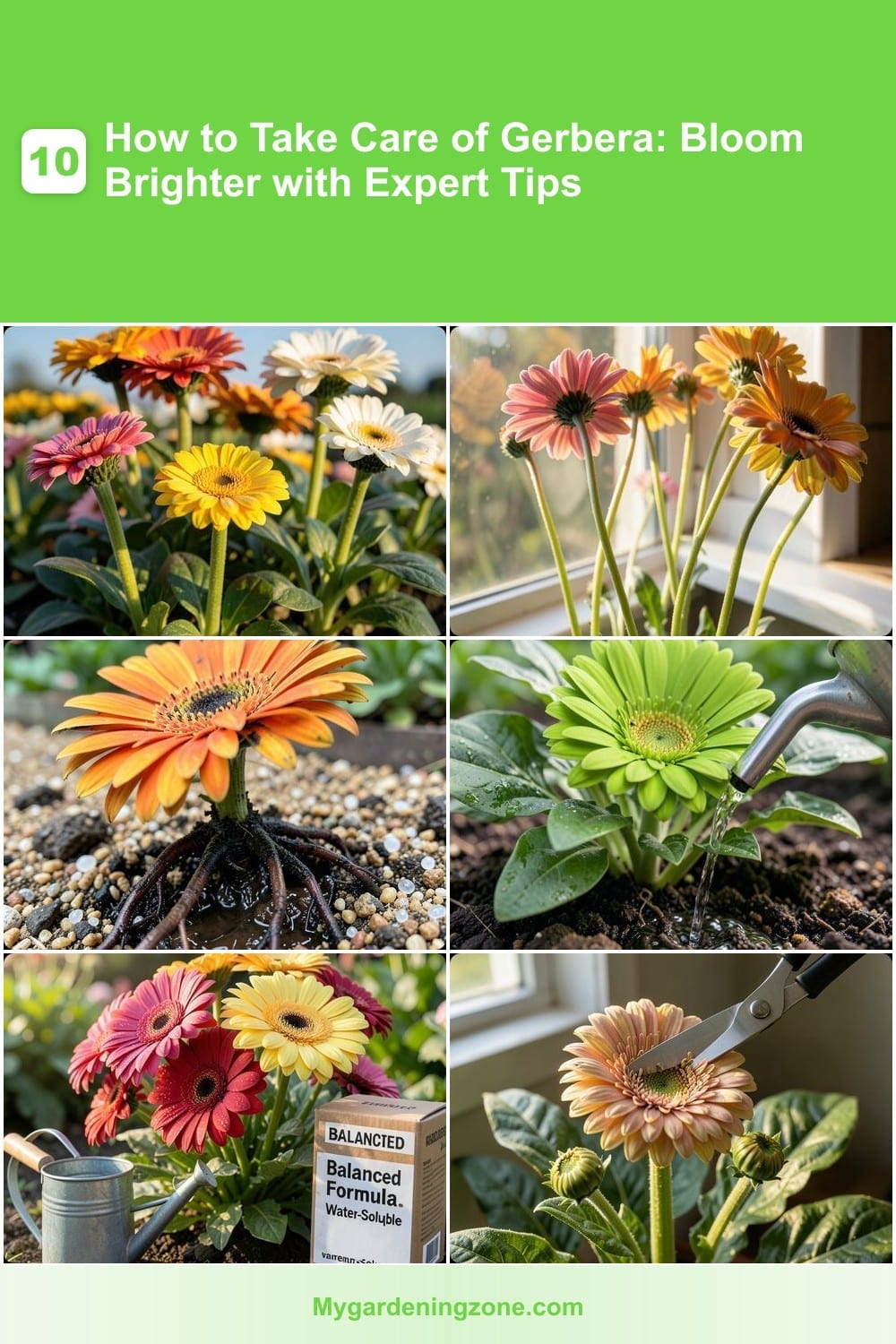
Gerbera daisies bring vibrant color to any garden or home, but their beauty depends on proper care. These ten expert tips will help your gerberas thrive with lush foliage and long-lasting blooms, whether you’re growing them indoors or out.
Not all gerberas are created equal—some varieties make your gardening life much easier. For beginners, disease-resistant types like ‘Garvin’ or ‘Festival’ reduce the risk of common issues like powdery mildew.
If space is limited, dwarf varieties such as ‘Happy Pot’ stay compact at just 6-8 inches tall, perfect for containers. These selections adapt better to different climates, requiring less fuss while delivering the same vibrant blooms. They’re ideal for new gardeners learning how to take care of gerbera without the steep learning curve. 🌻
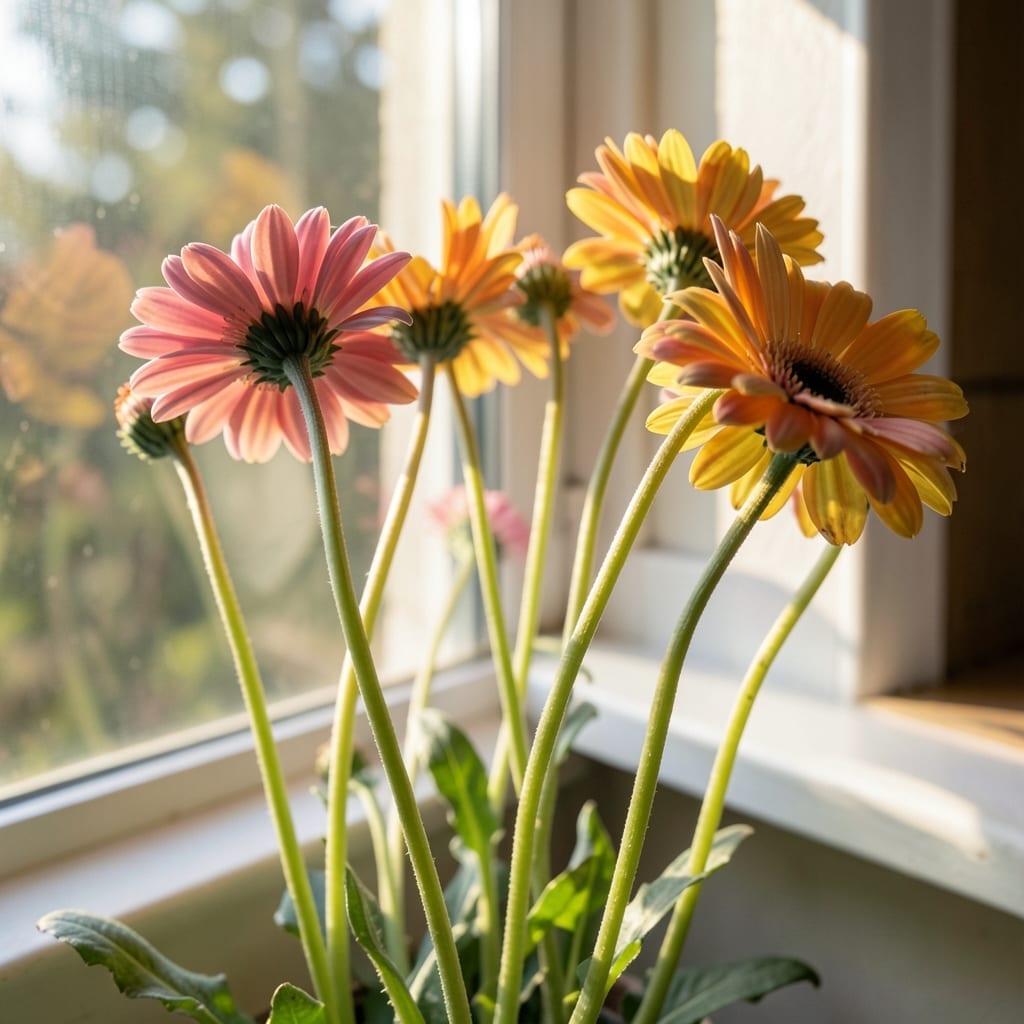
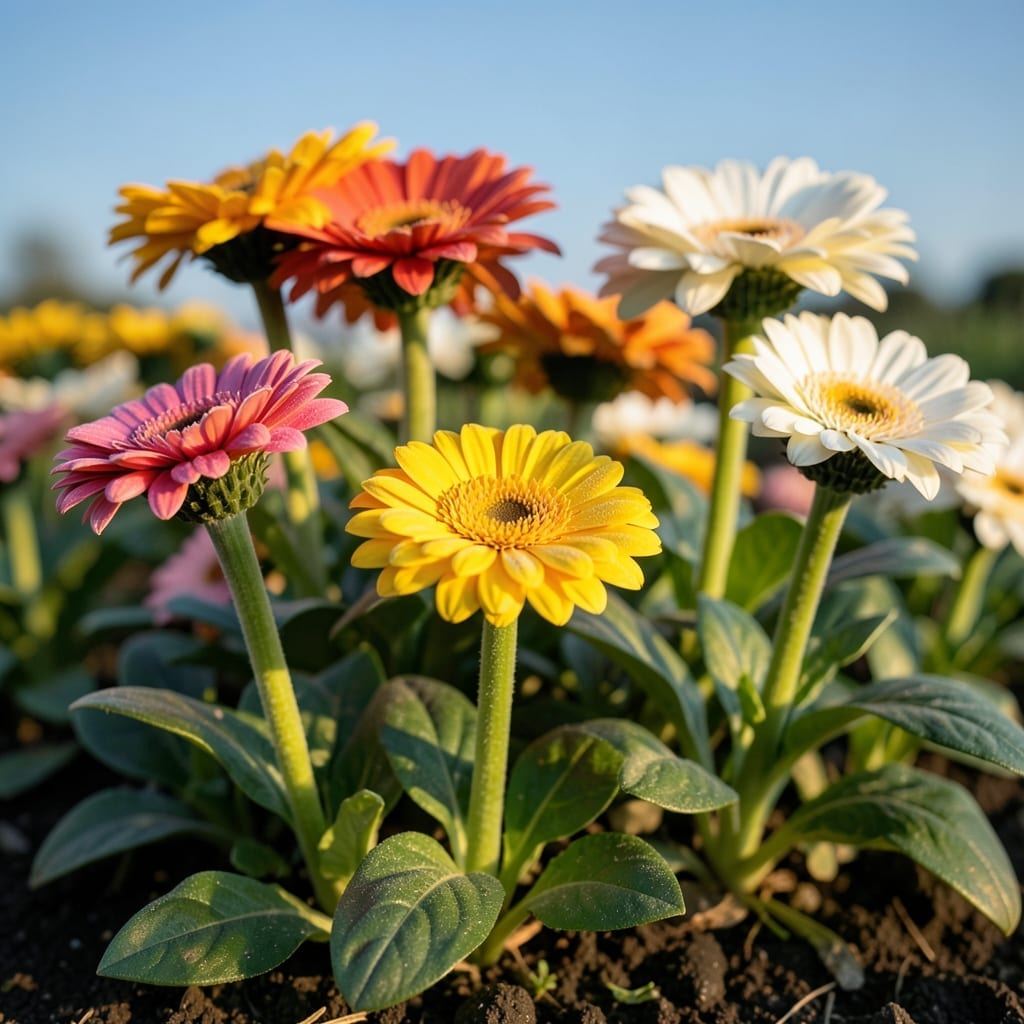
Without enough light, your gerbera daisies will stretch toward the sun with weak stems and sparse blooms. These cheerful flowers are true sun-worshippers, and their performance directly reflects the light they receive.
Place them where they’ll get 6-8 hours of direct sunlight daily. A south-facing windowsill or a bright garden spot is ideal. Insufficient light leads to leggy growth and fewer flowers, so don’t skip this essential step.
This makes gerberas perfect for gardeners with sunny spaces who want abundant, vibrant blooms all season long. 🌻
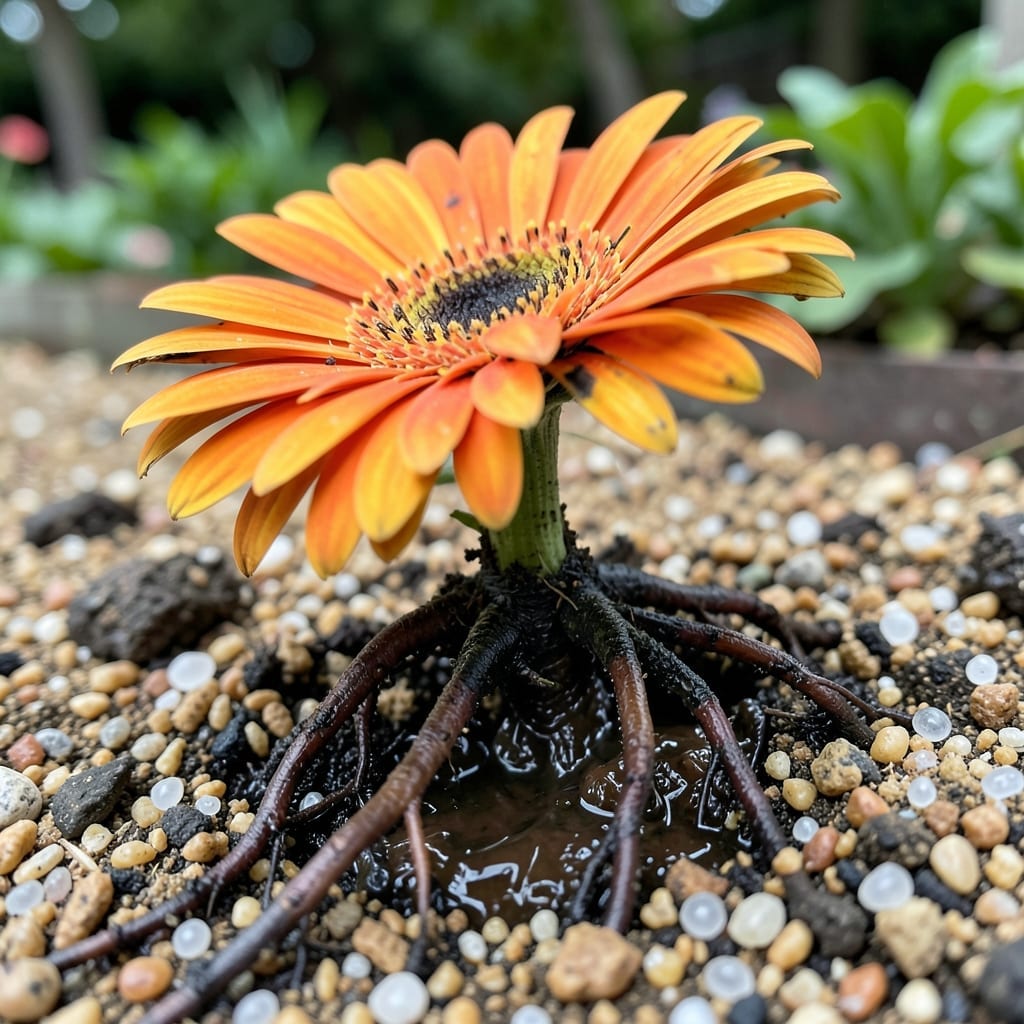
Soggy soil is the silent killer of gerbera daisies. These vibrant plants despise waterlogged roots, which quickly lead to rot and decline in even the healthiest specimens.
A sandy, loamy mix with added perlite or vermiculite ensures rapid drainage while maintaining the slightly acidic to neutral pH (6.0-7.0) they prefer. For container gardening, use a high-quality potting mix labeled for flowers and add coarse sand for extra drainage.
This simple soil adjustment prevents most root problems and keeps your gerberas thriving with minimal effort. 🌱
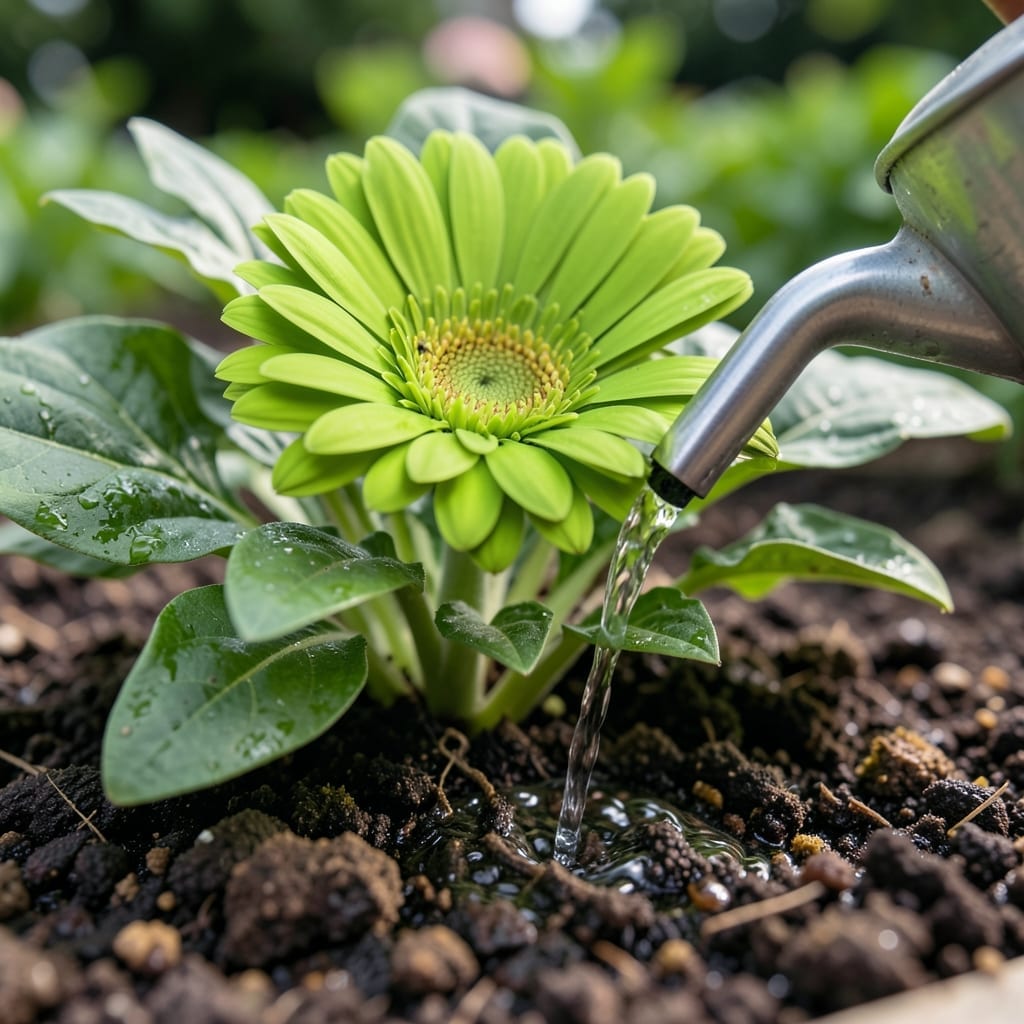
Wetting the leaves of your gerbera daisies is an open invitation to fungal problems like powdery mildew and leaf spot. Instead, aim your watering can directly at the soil to keep foliage dry and healthy.
Watering at the base encourages deep root growth, which makes your plants more drought-resistant and sturdy. Use a slow, deep watering technique in the early morning so the soil can absorb moisture before the heat of the day.
This simple habit prevents disease while ensuring your gerberas get the hydration they need for vibrant, long-lasting blooms. 🌿
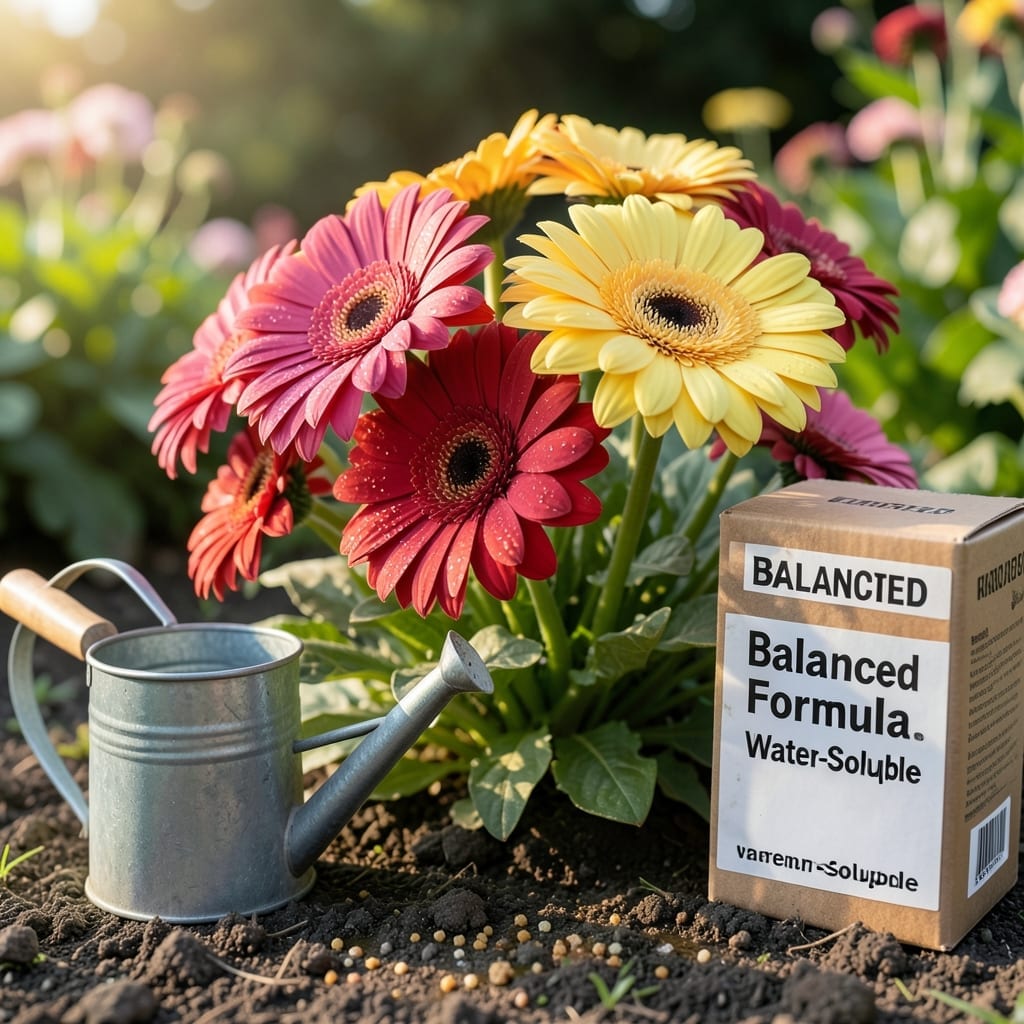
To keep your gerbera daisies blooming nonstop, regular feeding is key. A consistent fertilizer schedule ensures they never run out of the nutrients needed for vibrant, long-lasting flowers.
Use a balanced, water-soluble fertilizer every two weeks during the growing season. This steady supply of nitrogen, phosphorus, and potassium supports continuous blooming and lush foliage. Dilute the fertilizer to half strength to avoid burning the roots.
Perfect for gardeners who want maximum color with minimal effort, this simple routine keeps your gerberas looking their best all season. 🌻
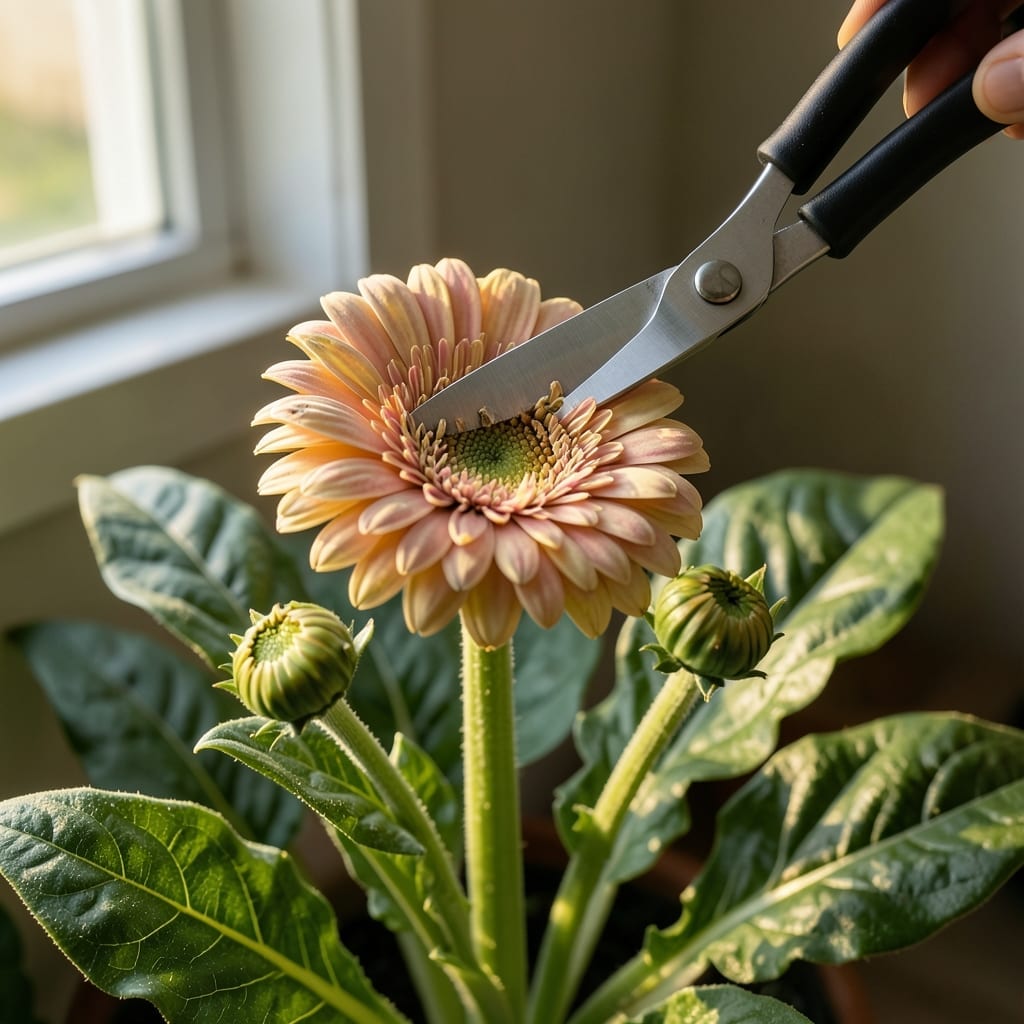
Faded blooms on your gerbera daisies are more than just unsightly—they’re energy drains. When left to set seed, your plant diverts valuable resources away from producing new, vibrant flowers.
Use clean, sharp shears to snip off spent blooms just above a set of leaves or side bud. This simple act of deadheading signals the plant to redirect its energy toward new bloom production, extending your display of color for weeks or even months longer.
Perfect for gardeners who want continuous color, this quick task takes seconds but pays off with a nonstop parade of cheerful blooms. 🌻
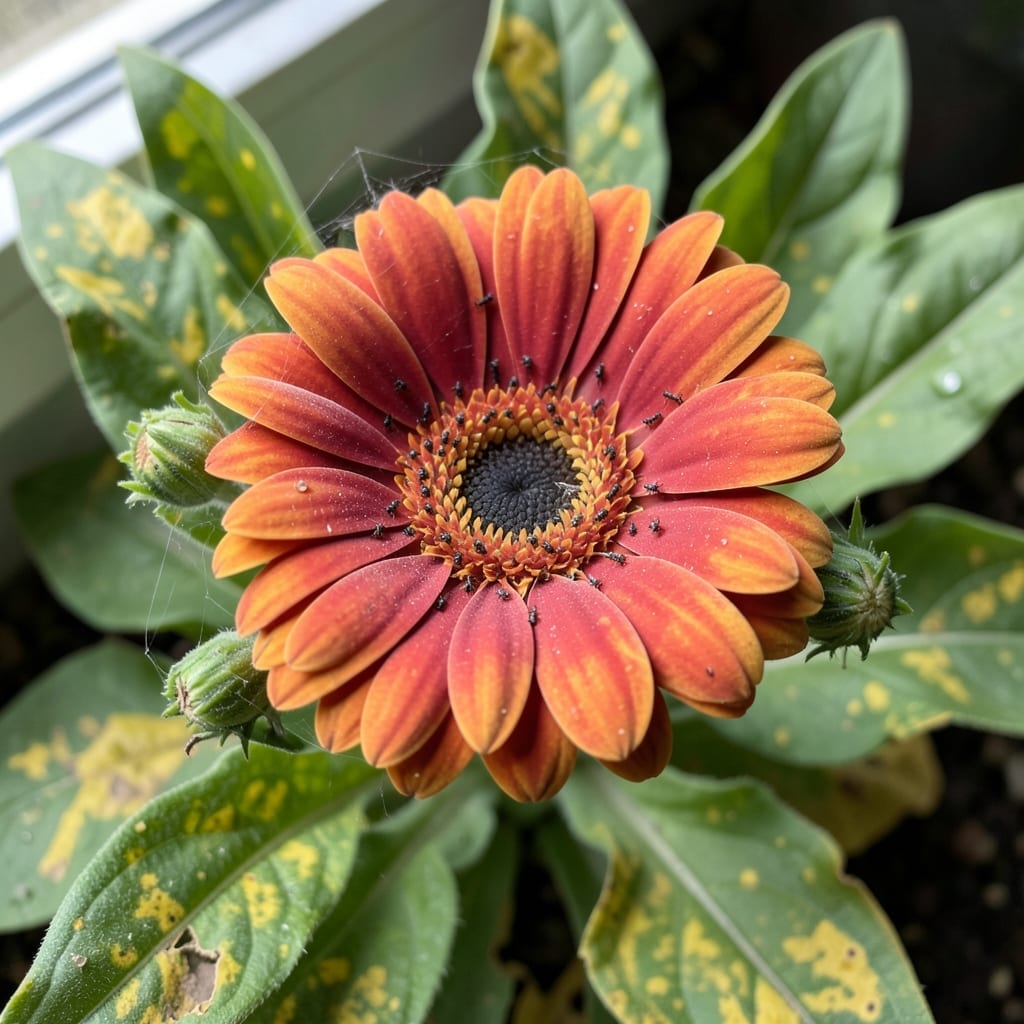
Even the healthiest gerbera can fall victim to aphids and spider mites, which suck the life from leaves and buds. These tiny pests multiply rapidly, turning your vibrant plants into weak, yellowing specimens if left unchecked.
Fight back naturally with neem oil or insecticidal soap, both of which smother pests without harming beneficial insects. Spray in the early morning or late evening, covering both sides of leaves for full protection. This approach keeps your gerberas thriving without introducing harsh chemicals to your garden.
Perfect for eco-conscious gardeners who want to protect their blooms safely and effectively. 🌿
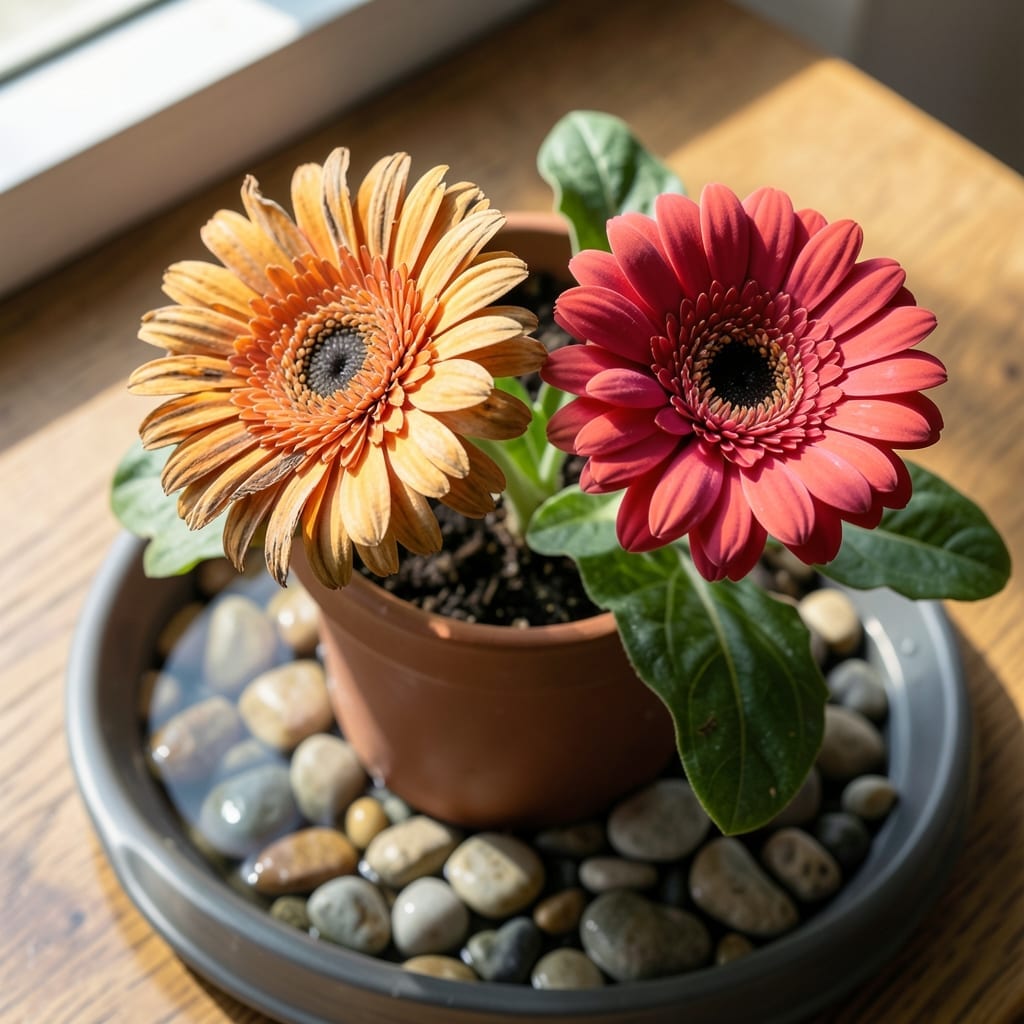
Dry indoor air can turn your gerbera daisies into sad, crispy versions of their vibrant selves. These tropical natives thrive in moderate humidity, which is often lacking in heated or air-conditioned homes.
A humidity tray filled with pebbles and water beneath the pot boosts moisture in the air around your plant without waterlogging the roots. For a quick fix, lightly mist the leaves in the morning, allowing time to dry before evening. This small effort keeps foliage lush and blooms bright.
Perfect for gardeners in dry climates who want to recreate the gerbera’s native growing conditions indoors. 🌿
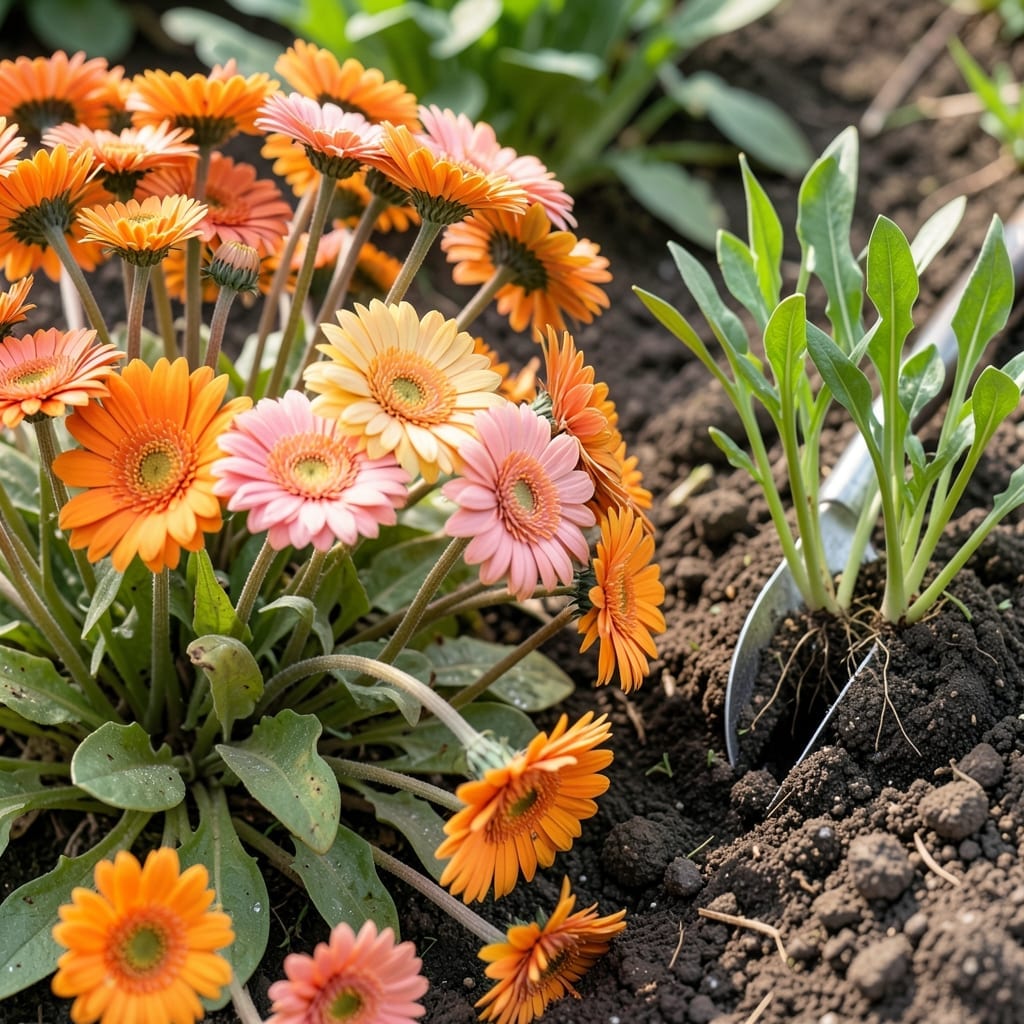
Overcrowded gerbera clumps lose their vigor, producing fewer blooms and weaker stems over time. Dividing them annually rejuvenates the plants, giving each section more space to thrive.
Early spring is the ideal time to divide, just as new growth begins. Use a sharp spade to separate the clump into smaller sections, ensuring each has healthy roots attached. Replant immediately in well-prepared soil with good drainage.
This simple practice keeps your gerberas blooming abundantly and prevents disease from spreading in tight quarters. Perfect for gardeners who want long-term vitality. 🌱
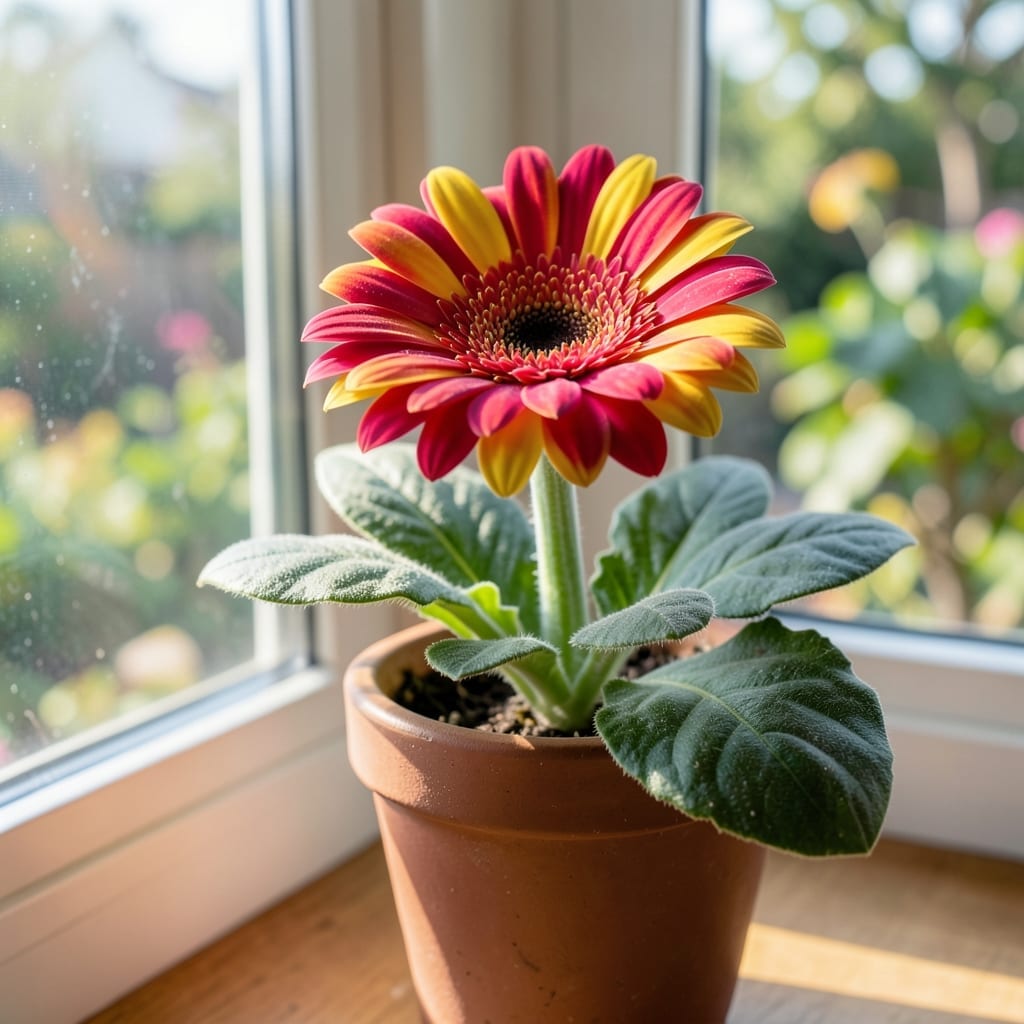
Gerbera daisies thrive in warmth but can’t handle extreme cold or heat. These vibrant plants perform best when daytime temperatures stay between 70-75°F and nighttime temps hover around 50-60°F.
When cold snaps hit, move potted gerberas indoors to a sunny spot, like a south-facing window. Avoid placing them near drafty windows or heating vents, as sudden temperature swings can stress the plant and reduce blooming.
This care tip is especially important for gardeners in colder climates who want to enjoy their gerbera’s bright blooms year after year. 🌻