
Beautiful Plants For Your Interior
Beautiful Plants For Your Interior
That creeping ivy or sprawling bamboo from next door doesn’t respect property lines. I’ve dealt with my share of overzealous neighbor plants pushing through fences, and the solution isn’t about confrontation—it’s about smart barriers and timing. The right approach keeps peace with your neighbors while protecting your space from invasive roots and vines. What works […]
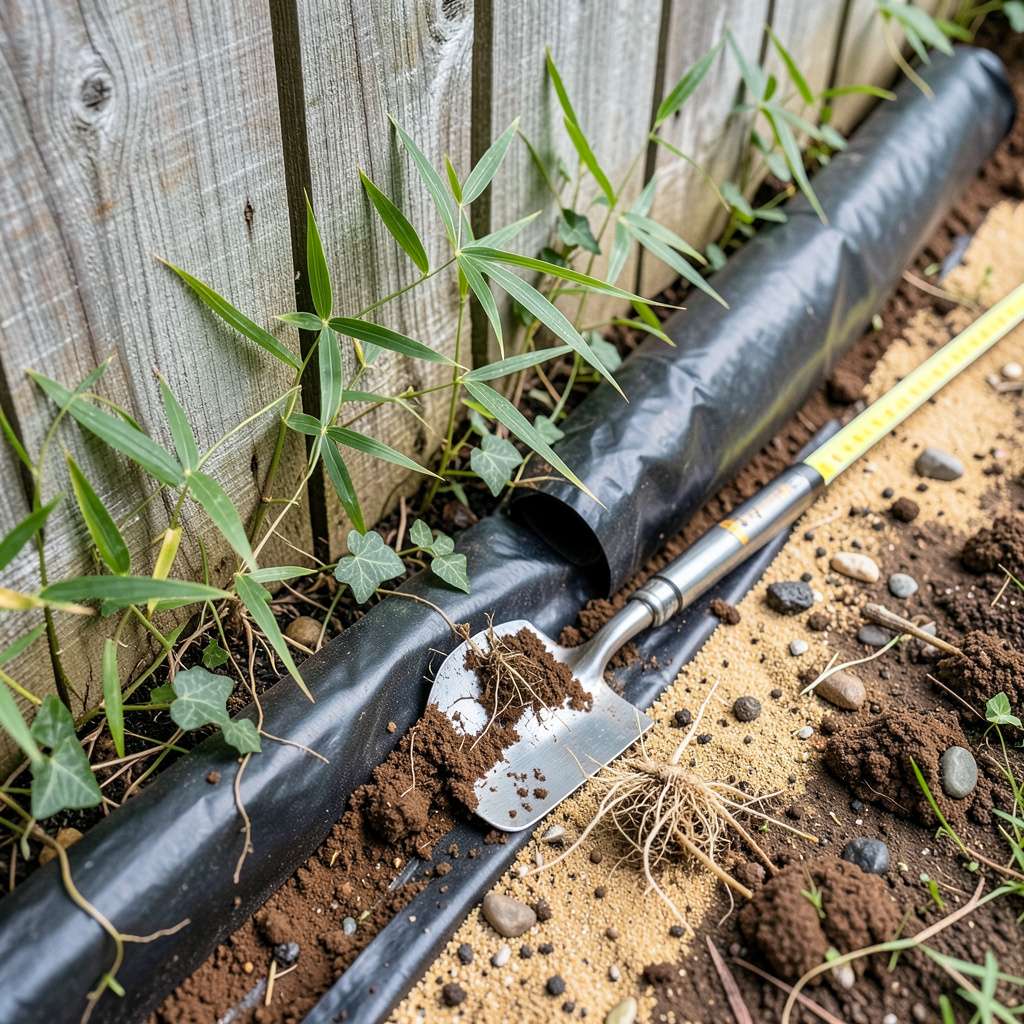
That creeping ivy or sprawling bamboo from next door doesn’t respect property lines. I’ve dealt with my share of overzealous neighbor plants pushing through fences, and the solution isn’t about confrontation—it’s about smart barriers and timing. The right approach keeps peace with your neighbors while protecting your space from invasive roots and vines.
What works best depends on the plant type. Fast-growing climbers like wisteria need physical barriers (think root-blocking fabric or metal edging), while aggressive spreaders like mint require both underground and above-ground containment. I’ve tested methods that stop growth without harming the plants—because you want solutions, not lawsuits.
You’ll find that three simple tools handle 90% of these situations: a sturdy fence liner, strategic pruning shears, and a bit of patience. The key is acting before the growth becomes established—once those roots get a foothold, you’re playing defense all season. Early intervention means less work later.
These methods adapt to any fence type, from wooden privacy panels to chain-link boundaries. Whether you’re dealing with ornamental grasses, shrub roots, or vine tendrils, there’s a non-dramatic way to reclaim your side. Let’s look at what actually stops the spread without starting a feud.
📚 In This Guide
These proven methods create a clean barrier without damaging relationships or local ecosystems.
Purchase HDPE plastic root barrier (at least 18 inches deep) from a garden center. This flexible material won’t rot and lasts decades underground. Dig a trench parallel to your fence, positioning it 2-3 inches away from the fence base to avoid damaging existing structures.
The barrier should extend 2 inches above soil level to prevent surface runners from creeping over. Overlap seams by 6 inches and secure with galvanized staples. Backfill with native soil, tamping every 4 inches to eliminate air pockets that could allow roots to penetrate.
Spread 3-4 inches of coarse wood chips or bark mulch along the entire length of the fence. This creates an inhospitable environment for most invasive runners. Avoid fine mulches like shredded leaves—they decompose too quickly and may actually encourage growth.
Maintain the mulch layer annually, replenishing as it breaks down. I’ve found that cedar or cypress mulch works particularly well because their natural oils inhibit some plant growth. Keep the mulch 2 inches away from fence boards to prevent moisture-related rot.
Select aggressive native plants like creeping thyme, ajuga, or pachysandra to outcompete the encroaching vegetation. Space plants 6-8 inches apart in a staggered pattern along your side of the fence. These species form dense mats that leave no room for invasive runners.
Water deeply after planting and maintain consistent moisture for 3-4 weeks until established. Once mature, these ground covers require minimal care while providing excellent suppression. Their root systems will naturally occupy the space that invasive plants would otherwise exploit.
Every 2-3 weeks during growing season, use sharp pruners to cut back any shoots appearing through the fence. Make cuts at ground level rather than pulling, which can stimulate more aggressive regrowth. I recommend early morning trimming when plant tissues are most turgid—this makes clean cuts easier.
Collect all cut material immediately to prevent it from rooting. For particularly persistent vines, apply a thin layer of corn gluten meal (a natural pre-emergent) after trimming to inhibit regrowth. This organic solution won’t harm your existing plants when used as directed.
For especially aggressive plants like bamboo or mint, excavate a 12-inch wide by 6-inch deep trench along your side. Fill with 3/4-inch crushed gravel, which creates an environment most plant runners cannot penetrate. The sharp edges deter root growth while allowing proper drainage.
Top the gravel with landscape fabric before replacing the top 2 inches of soil. This combination prevents weed seeds from germinating while maintaining the gravel’s effectiveness below. The fabric also makes future maintenance easier if you need to re-excavate the barrier.
These practical insights will help you implement the solutions more effectively while avoiding common pitfalls.
Installation Precision: When digging the trench in Step 1 for your HDPE root barrier, use a string line to maintain consistent depth and distance from the fence. I’ve found that marking the trench path with landscape paint first ensures straight lines. The 2-3 inch spacing from the fence is crucial—too close risks damaging the fence structure, while too far creates gaps that roots can exploit. Tamping the soil every 4 inches during backfilling eliminates air pockets that could become root pathways.
Mulch Selection Strategy: For Step 2’s mulch barrier, opt for cedar or cypress chips when possible. Their natural oils contain allelopathic compounds that gently suppress competing vegetation. Avoid dyed mulches—the chemicals can leach into soil and potentially harm your native ground covers. The 3-4 inch depth is optimal; less won’t deter aggressive runners, while more can smother beneficial soil organisms.
Planting Technique: In Step 3, when establishing your competitive ground cover, prepare the soil thoroughly before planting. I recommend mixing in 2 inches of compost to give your native plants a strong start. The 6-8 inch spacing allows plants to fill in quickly without overcrowding. Water deeply at planting, then maintain consistent moisture for the full 3-4 weeks—this is when root systems establish the dense network that will block invaders.
Maintenance Timing: For Step 4’s regular trimming, early morning is indeed ideal as plant tissues are most turgid. I’ve found that keeping a dedicated pair of sharp bypass pruners just for this task makes the job quicker and cleaner. The 2-3 week interval prevents shoots from developing extensive root systems that could penetrate your barriers. Always sanitize your pruners between cuts when dealing with diseased plants to prevent spread.
Got questions about keeping your neighbor’s overgrown greenery in check? You’re not alone! Here are the most common concerns—with quick, actionable answers to help you reclaim your space without drama.
Yes, in most U.S. states, you can trim only the portions encroaching on your property—but you must avoid damaging the main plant. Always check local laws (some areas require notice). Pro tip: Offer the trimmings back to avoid tension!
Early spring or late fall is ideal—plants are dormant, so they’ll bounce back slower. Avoid summer heat (stress for plants) or winter freezes (harder to work with soil). For barriers, dry weather ensures better installation.
While vinegar (10%+ acetic acid) or salt can temporarily stunt growth, they’re not foolproof and may harm your soil’s pH. For stubborn roots, a physical barrier (like landscape fabric) works better long-term. Use chemicals sparingly!
My neighbor’s bamboo is invasive—what’s the strongest non-confrontational solution?
Bamboo spreads aggressively! Install a 30-inch-deep metal or HDPE root barrier along the fence line. For existing shoots, cut them at ground level repeatedly to weaken the system. Consider suggesting a clumping bamboo alternative to your neighbor—it’s less invasive!
Frame it as a shared benefit: “Hey! I noticed your [plant] is thriving—mind if we trim the overhang together? It’ll help both our yards look neat!” Offer to split costs for a pro if needed. A little kindness (and maybe fresh lemonade ) goes a long way!
Dealing with overgrown neighbor plants doesn’t have to be a headache! With the right approach—whether it’s physical barriers, natural deterrents, or a friendly chat—you can reclaim your space without causing tension. 🌿✨ Remember, a little proactive maintenance goes a long way in keeping your fence line clean and your relationship with your neighbors intact.
Ready to take action? Start with the easiest solution for your situation, like installing a root barrier or trimming back growth, and enjoy a tidier, stress-free yard! If all else fails, a polite conversation (with a smile!) often works wonders. 😊
