
Beautiful Plants For Your Interior
Beautiful Plants For Your Interior
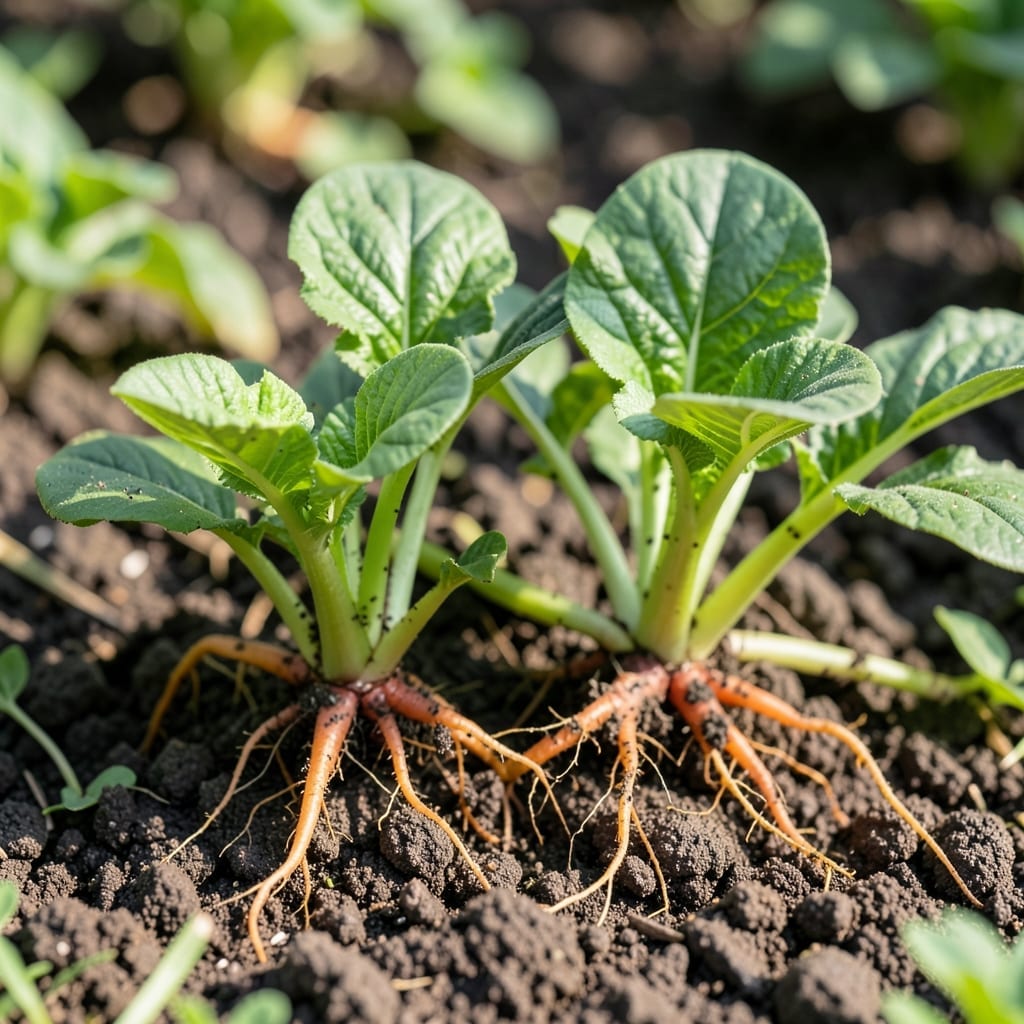
I lost my entire lettuce patch to rabbits last spring. Three nights of work, gone in one hungry evening. They’re cute, but they’ll destroy your garden faster than you can say “thyme to replant.”
Here’s the thing—rabbits don’t need much encouragement. A gap under your fence, some tasty young shoots, and they’ll move in like uninvited dinner guests. The solution isn’t war; it’s strategy.
You’ll learn how to outsmart them with barriers they can’t jump, plants they hate, and tricks that make your garden look less appealing than the neighbor’s. No chemicals, no cruelty.
Works for backyard gardens, container setups, or even that one raised bed you swore you’d protect this year. 100% rabbit-proof isn’t possible, but 95% is totally doable.
Understanding why rabbits target your garden is the first step to keeping them out. These furry invaders aren’t just random pests—they’re drawn in by specific conditions. Here’s the science behind their behavior:
Rabbits are herbivores with a voracious appetite for tender plants, especially young shoots, leafy greens, and vegetables like lettuce, carrots, and beans. Gardens provide an all-you-can-eat buffet, packed with high-nutrient, low-fiber foods that are easier to digest than wild grasses. Their keen sense of smell detects fresh growth from miles away, making your garden an irresistible hotspot.
Overgrown grass, brush piles, or dense shrubs create ideal hiding spots for rabbits to evade predators like hawks and foxes. Female rabbits (does) seek secluded, soft-soil areas to dig burrows for their young. If your garden offers both food and cover, it becomes a perfect breeding ground—leading to rapid population growth.
Rabbits need daily hydration, and gardens with drip irrigation, birdbaths, or puddles become prime real estate. Unlike wild areas where water may be scarce, a well-watered garden ensures they don’t have to stray far from their food source. This convenience factor cements their decision to stay.
In the wild, rabbits avoid areas with strong scents (like predator urine) or prickly plants. Many gardens lack these natural defenses, making them low-risk zones. If your yard has no physical barriers (e.g., fences) or chemical deterrents (e.g., predator urine sprays), rabbits face zero resistance to moving in.
Rabbits in your garden can quickly turn your lush plants into a buffet. Here’s how to reclaim your space with practical, humane fixes.
Install chicken wire or hardware cloth (1-inch mesh or smaller) around garden beds, buried at least 6 inches deep to prevent digging. For extra protection, bend the top outward to deter climbers. Prevention tip: Raise fences 2–3 feet high for best results.
Use commercial repellents (like hot pepper spray) or DIY mixes (garlic, vinegar, or predator urine). Reapply after rain. Prevention tip: Rotate repellents to avoid rabbit habituation.
Clear brush piles, tall grass, and clutter where rabbits hide. Remove food sources like fallen fruit or veggie scraps. Prevention tip: Keep compost bins sealed and avoid overwatering, which attracts them.
Opt for less appealing plants like marigolds, onions, or lavender. Surround vulnerable plants with these to create a natural barrier. Prevention tip: Interplant with herbs—rabbits dislike strong scents.
💡 Pro tip: Combine methods for long-term success. Fencing + repellents + habitat control = a rabbit-free garden!
Install fences at least 2–3 feet high to prevent jumping. Bury the bottom 6 inches deep to stop digging.
Yes! Hot pepper spray or garlic-vinegar mixes deter rabbits when reapplied after rain. Rotate types to avoid habituation.
Rabbits dislike marigolds, onions, and lavender. Use these as natural barriers around vulnerable plants.
Inspect your garden daily at dawn for fresh droppings or nibbled leaves. Early detection prevents major damage.