
Beautiful Plants For Your Interior
Beautiful Plants For Your Interior
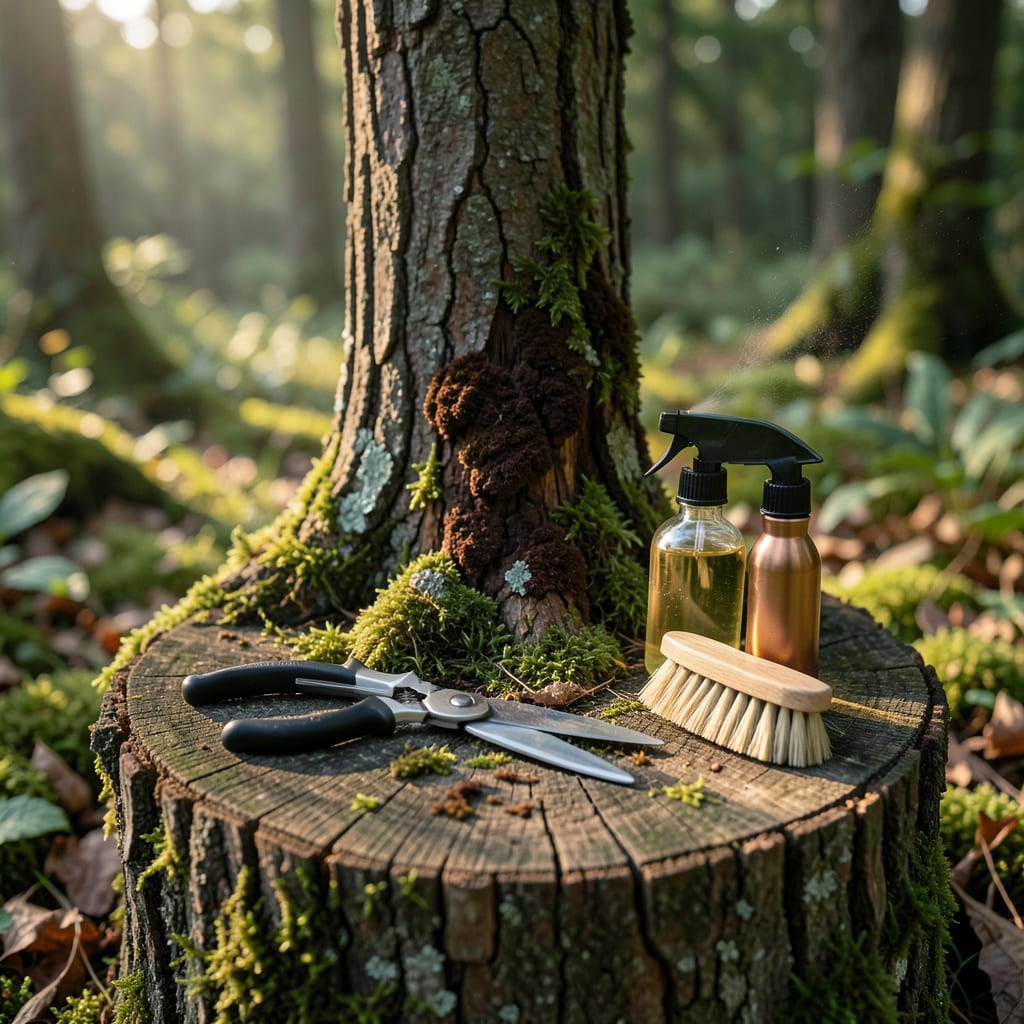
White fuzzy growth on your oak? I’ve been there. 🌿 Tree fungus spreads fast if ignored, but I’ve saved trees using simple, natural methods that don’t require harsh chemicals.
The key is catching it early. I learned the hard way that waiting too long means losing the tree. Now I check bark and leaves weekly during damp seasons, and I’ve kept my garden fungus-free for 3 years.
You’ll use household items like baking soda, vinegar, or neem oil to treat infections. These work surprisingly well and won’t harm the tree or surrounding plants.
Prevention is easier than treatment. Proper pruning, airflow, and cleanup stop fungus before it starts. Here’s how to keep your trees healthy and strong.
Tree fungus often develops due to a combination of environmental stressors and biological vulnerabilities. Understanding the root causes helps in both treatment and prevention. Below are the most common reasons fungi take hold in trees.
Fungal spores thrive in damp, poorly ventilated environments. Overwatering, heavy rainfall, or compacted soil that traps moisture create ideal conditions for root rot (e.g., Armillaria or Phytophthora). Trees in low-lying areas or those with dense mulch layers are especially susceptible.
Injuries from pruning cuts, lawnmowers, or storms expose the tree’s vascular system to airborne spores. Fungi like Ganoderma or Inonotus often enter through these openings. Additionally, beetle infestations (e.g., bark beetles) can carry fungal spores deep into the wood.
Trees planted too closely together or those with overgrown canopies trap humidity, promoting fungal growth. Powdery mildew and anthracnose are common in such stagnant conditions. Proper pruning to improve airflow is a key preventive measure.
Compacted soil restricts root growth and oxygen flow, stressing the tree and lowering its defenses. Nutrient-poor soil (e.g., lacking nitrogen or potassium) further weakens immunity. Fungi like Verticillium exploit these stressed states to colonize the roots and trunk.
Extreme weather—drought, heatwaves, or unseasonal frosts—stresses trees, making them vulnerable. For example, Hypoxylon fungus often attacks trees already weakened by drought. Seasonal shifts can also trigger dormant spores to activate.
Tree fungus can be stubborn, but with the right approach, you can restore your tree’s health. Below are targeted solutions for common fungal issues, along with prevention tips to keep them from returning.
If you spot a white, powdery coating on leaves, prune crowded branches to boost airflow. Then, mix 1 tablespoon of baking soda, 1 teaspoon of dish soap, and 1 gallon of water, and spray the affected areas weekly until the fungus clears. 💡 Pro tip: Apply in the early morning to prevent leaf burn.
Dark or yellow spots on leaves? Rake and dispose of fallen leaves to eliminate spores. Apply a copper-based fungicide (follow label instructions) to infected foliage. 💡 Pro tip: Water at the base of the tree to keep leaves dry and discourage fungal growth.
Wilting, yellowing leaves, or stunted growth may signal root rot. Improve drainage by amending soil with compost or sand. For severe cases, use a systemic fungicide labeled for root rot. 💡 Pro tip: Avoid overwatering—let the top 1-2 inches of soil dry between waterings.
Consistency is key—tackle fungus at the first sign, and your trees will thank you!
Baking soda works best mixed with water and dish soap for effectiveness. Use 1 tablespoon baking soda, 1 teaspoon dish soap, and 1 gallon water for a potent spray. Apply weekly until the issue resolves.
Check your trees at least once a week during wet seasons. Look for white powder, dark spots, or wilting leaves. Early detection makes treatment far easier and more effective.
No, composting infected leaves can spread spores back to your garden. Always dispose of them in sealed bags with yard waste. This prevents reinfection of healthy trees.
White vinegar can work for mild cases. Mix 1 part vinegar with 3 parts water and spray directly on affected areas. Test on a small section first to avoid damaging the tree.
