
Beautiful Plants For Your Interior
Beautiful Plants For Your Interior
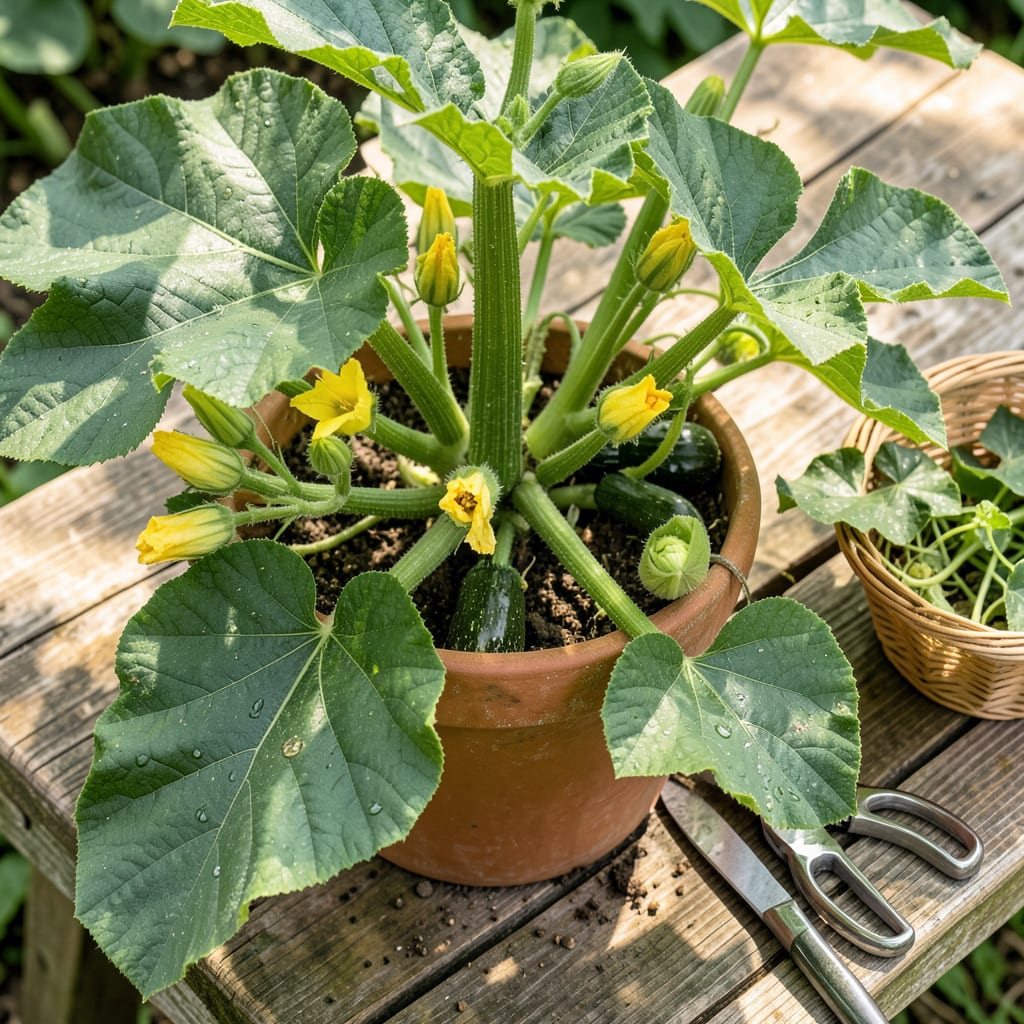
I used to let my zucchini plants sprawl wild—until I realized a few strategic cuts could double my harvest. Pruning isn’t about making plants look neat; it’s about redirecting energy to where it matters most: the fruit. After testing different methods, I landed on a 5-minute technique that keeps plants productive and disease-free all season.
The right cuts at the right time mean fewer rotten leaves, better airflow, and zucchinis that grow faster and larger. No fancy tools required—just sharp pruners and the confidence to snip what seems healthy. By midsummer, you’ll spot the difference: plants that produce instead of just surviving. Here’s exactly how to do it.
📚 In This Guide
This simple technique takes just minutes and will transform your plants—more energy for fruit, less wasted on leaves.
Wait until your zucchini plants have 4-6 mature leaves and are actively producing flowers. This usually happens about 4-6 weeks after planting, when the plant is established but hasn’t become overgrown. Pruning too early stunts growth; too late means you’re fighting a jungle of foliage.
Look for the first female flowers (they have small fruits at their base) as your signal. I always prune on a dry morning when the plant is perky—wet leaves spread disease, and afternoon heat stresses freshly cut stems.
Start by cutting all leaves that touch the ground or are within 6 inches of the soil. These are disease magnets, splashing dirt onto foliage during watering. Use clean pruners to snip where the leaf stem meets the main vine.
Don’t remove more than one-third of the plant’s leaves in one session. You’ll see the center of the plant open up immediately, improving air circulation. I leave the youngest top leaves—they’re the most productive for photosynthesis.
Next, focus on areas where leaves are touching or crossing each other. Remove the older, larger leaves first—they’re less efficient than newer growth. Cut just above a leaf node (the bump where leaves emerge) to encourage bushier growth.
Here’s the thing—you’ll feel like you’re taking too much, but zucchini bounce back fast. After pruning, you should be able to see sunlight reaching the center of the plant. This prevents powdery mildew and lets bees access flowers more easily.
Once the plant has 8-10 mature leaves, I remove the growing tips of the main vine. This forces energy into side shoots where female flowers (and fruit) develop. Simply pinch or cut the very tip of the vine where new growth is emerging.
For sprawling plants, I also trim any vines extending beyond the garden bed by 12-18 inches. This keeps the plant contained while maintaining productivity. You’ll notice new side branches forming within 3-5 days of pruning.
After your initial prune, check plants every 7-10 days. Remove any yellowing leaves immediately—they’re just draining energy. I also snip off any misshapen or damaged fruits to redirect energy to healthy production.
Real talk: the first time I pruned zucchini, I was terrified I’d kill the plant. But within two weeks, I had twice as many flowers and straighter, healthier fruits. The key is staying consistent—don’t let the plant get overgrown again between sessions.
Pruning zucchini plants is simpler than it seems, but a few key insights will make your efforts even more effective.
Timing Secret: That 4-6 week window mentioned in Step 1 is absolutely critical. I learned this the hard way after pruning too early on my first attempt—the plant sulked for weeks. Wait until you see those first female flowers (the ones with tiny zucchini at their base) before making your first cuts. This ensures the plant has enough energy reserves to recover quickly.
The Technique That Changed Everything: In Step 2, when removing those lower leaves within 6 inches of the soil, don’t just eyeball it—actually measure with your hand (that’s roughly the distance from your wrist to your fingertips). These leaves might look healthy, but they’re the main culprits for powdery mildew. I use a sharp pair of bypass pruners wiped with rubbing alcohol between plants to prevent disease spread.
What to Watch For: After pruning in Step 4, you might panic when you see how much you’ve removed. Trust me, zucchini are tougher than they look. Within those 3-5 days mentioned, you’ll see explosive new growth from the leaf nodes where you made your cuts. This is when the plant starts directing all its energy into fruit production instead of unnecessary foliage.
Maintenance Hack: The 7-10 day checkups in Step 5 are non-negotiable. I set a phone reminder because it’s easy to forget. During these checks, I don’t just look for yellow leaves—I also remove any leaves that are starting to curl or develop white spots (early signs of powdery mildew). Catching problems early means you’ll never have to do drastic pruning again.
Prune zucchini in the early morning when plants are hydrated and less stressed. Start when vines reach 2-3 feet long (usually 4-6 weeks after planting). Avoid pruning during extreme heat or when flowers/fruits are actively blooming—wait until after harvest for major cuts.
Done correctly, pruning increases yields! Removing excess leaves improves airflow and sunlight, reducing disease risk and redirecting energy to fruit production. Focus on cutting older, yellowing leaves—not healthy growth near flowers or baby zucchinis.
Use sharp bypass pruners (not scissors) to avoid crushing stems. Scissors can jag stems, inviting pests/disease. Sterilize tools with rubbing alcohol between cuts. In a pinch, clean kitchen shears work for thin leaves—but avoid thick stems!
Brown edges? Likely sunburn (if over-pruned) or fungus (if humidity is high). Shield plants with shade cloth for 2-3 days post-prune. Remove severely damaged leaves and spray remaining foliage with neem oil to prevent spread.
Yes! Try these instead:
Pruning isn’t mandatory—but it maximizes results!
