
Beautiful Plants For Your Interior
Beautiful Plants For Your Interior
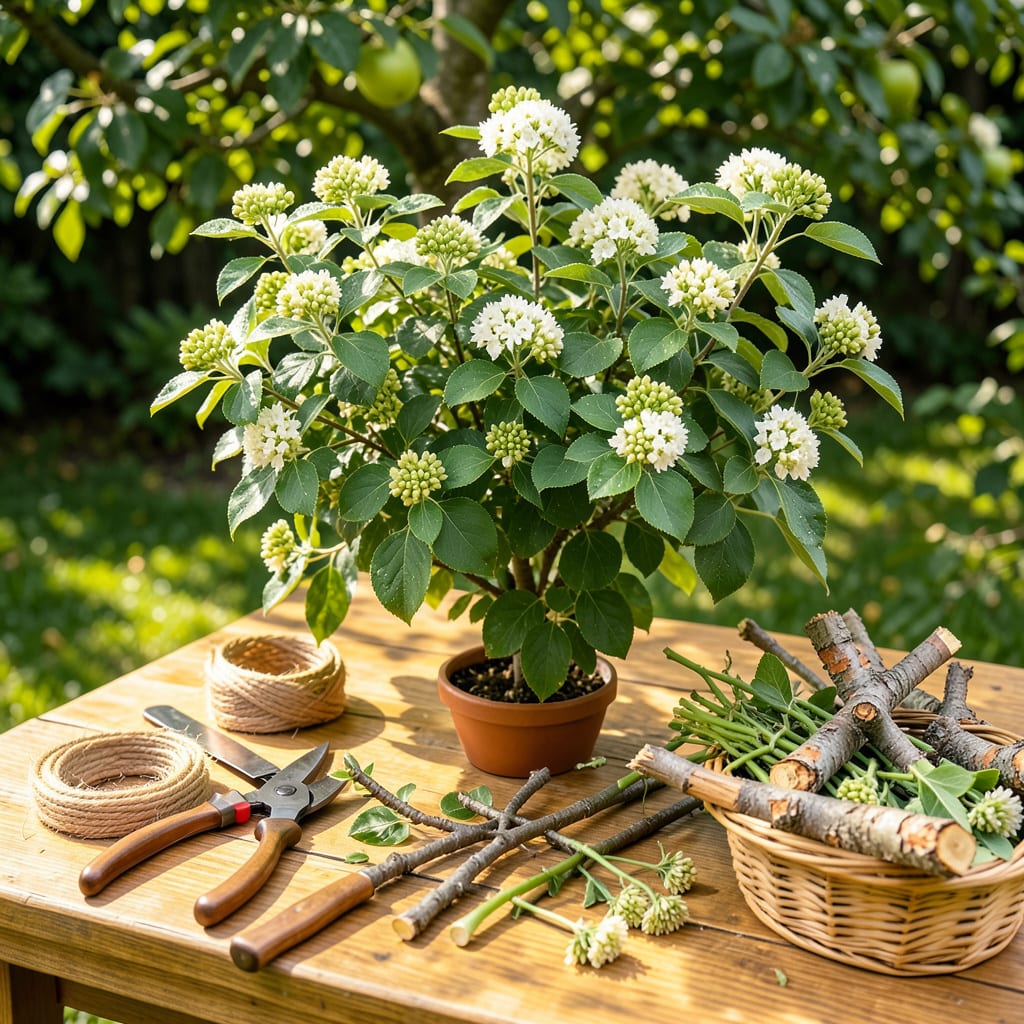
Viburnums are the unsung heroes of the garden—reliable, fragrant, and stunning through multiple seasons. I’ve watched these shrubs transform from leggy, overgrown messes into dense, flower-covered showstoppers with just a few well-timed cuts. The difference between a thriving viburnum and a struggling one often comes down to pruning at the right moment, in the right way.
Timing is everything. Prune spring-blooming varieties like Koreanspice viburnum right after flowers fade—usually by late June—so you don’t sacrifice next year’s buds. Summer-bloomers, like Japanese snowball, can handle a trim in early spring. Either way, you’ll end up with stronger growth, more blooms, and a shape that actually fits your space. No guesswork, just results.
📚 In This Guide
Pruning viburnum doesn’t need to be intimidating—this method ensures healthy growth and abundant blooms every season.
Timing is everything with viburnum. For spring-blooming varieties like Viburnum carlesii or V. × burkwoodii, prune immediately after flowering—usually in late spring or early summer. This preserves next year’s flower buds, which form on old wood. Summer-bloomers like V. plicatum tolerate pruning in late winter before new growth begins.
Check your shrub’s specific type if unsure. A quick rule: if it blooms before June, prune right after flowers fade. You’ll see the difference in timing reflected in next year’s bloom density. Never prune in fall—this stimulates tender new growth that winter will kill.
Start with your sharpest bypass pruners to make clean cuts. Scan the shrub for any branches that are clearly dead (brittle, gray, or hollow when scratched), diseased (discolored, spotted, or oozing), or crossing/rubbing against others. Cut these back to the base or nearest healthy lateral branch.
Make each cut at a 45-degree angle just above an outward-facing bud or branch junction. This angle prevents water pooling while directing new growth outward. I always disinfect pruners with rubbing alcohol between cuts when dealing with diseased wood to prevent spreading pathogens.
Selectively remove about one-third of the oldest stems at ground level to encourage new growth from the base. Focus on the thickest, woodiest stems—these produce fewer flowers and block light. You’ll immediately see improved airflow through the shrub’s center, which reduces fungal issues.
Step back frequently to assess shape. Viburnum naturally grows in a rounded form, so follow that silhouette. Avoid shearing the outer edges—this creates a dense shell that blocks light from reaching inner branches. Instead, make individual cuts to maintain the plant’s natural habit.
For spring-blooming types, cut back about one-quarter of the remaining branches by one-third their length, always just above a leaf node. This stimulates new flowering wood. On summer-bloomers, you can be more aggressive—reduce stems by up to half to encourage vigorous new growth that will flower later in the season.
Watch for pencil-thick stems—these are ideal for renewal pruning. I often mark potential cuts with landscape tape before making them to visualize the final shape. Remember that viburnum responds well to pruning, so don’t hesitate to make bold cuts when needed for rejuvenation.
Rake up all debris immediately after pruning to prevent disease spread. I like to spread a thin layer of compost around the base (keeping it 3 inches away from the trunk) to support new growth. Water deeply to help the plant recover from pruning stress.
Monitor regrowth over the next 4-6 weeks. You should see new shoots emerging from where you made cuts. If any branches fail to regrow, they may have been too old or diseased—remove them completely next season. The following spring, you’ll be rewarded with a bushier plant and more abundant flowers than ever.
Pruning viburnum becomes second nature once you understand these key principles—here’s what I’ve learned from years of shaping these beautiful shrubs.
Timing Precision: The difference between a vibrant, flowering viburnum and a disappointing one often comes down to timing. For spring-blooming varieties like Viburnum carlesii, pruning immediately after flowering (as outlined in Step 1) is non-negotiable—waiting even a few weeks can sacrifice next year’s blooms. I mark my calendar the moment flowers fade to ensure I don’t miss this critical window. Summer-bloomers are more forgiving, but late winter pruning (before buds swell) gives them the full season to develop new flowering wood.
Cutting Technique: The 45-degree angle mentioned in Step 2 isn’t just for aesthetics—it’s a functional necessity. I’ve found that cutting too steeply (over 45 degrees) creates wounds that heal slowly, while shallow cuts collect water and invite rot. Always make your cut just above an outward-facing bud or branch junction, never in the middle of a stem. This small detail determines whether new growth spreads gracefully outward or creates a tangled mess.
Renewal Pruning Strategy: The one-third removal of oldest stems in Step 3 might seem aggressive, but it’s the secret to viburnum longevity. I use this approach: identify the three thickest, most woody stems at the base (they’re often the least productive) and remove them entirely. This isn’t just thinning—it’s triggering the shrub’s natural rejuvenation process. You’ll be amazed at how quickly new, vigorous stems emerge from the base to replace what you’ve removed.
Monitoring Regrowth: The 4-6 week observation period in Step 5 is when you’ll see your pruning decisions pay off—or learn where to improve next time. I keep a garden journal to track which cuts produced the most vigorous new growth. Pay special attention to any stems that don’t regrow within this timeframe; they’re often hiding internal issues like borer damage or root problems that need addressing before they spread.
The ideal time is right after flowering (late spring/early summer) for spring-blooming types like Viburnum carlesii. For summer-blooming varieties, prune in late winter or early spring before new growth starts. Avoid fall pruning—it can stimulate tender growth vulnerable to frost!
Fall pruning is risky—it encourages new growth that may not harden before winter. Light corrective pruning (removing dead/diseased branches) is okay in winter, but avoid heavy cuts. Stick to late winter (Feb–March) for major shaping if you missed the post-bloom window.
Never remove more than ⅓ of the plant’s total volume in one season. For overgrown viburnum, spread pruning over 2–3 years. Focus on thinning inner branches first to improve airflow. Over-pruning stresses the shrub and reduces blooms. Less is more!
Regular pruning maintains shape and removes dead wood. Rejuvenation pruning is drastic—cutting the entire shrub to 6–12 inches tall in late winter to restart growth. Use this only for old, leggy viburnum (do it over 2–3 seasons for large plants).
Two common culprits: 1) You pruned at the wrong time (cutting off next year’s buds), or 2) over-pruning removed flower-bearing wood. Spring-bloomers set buds on old wood—prune immediately after flowers fade. Check for pest/disease stress too!
