
Beautiful Plants For Your Interior
Beautiful Plants For Your Interior
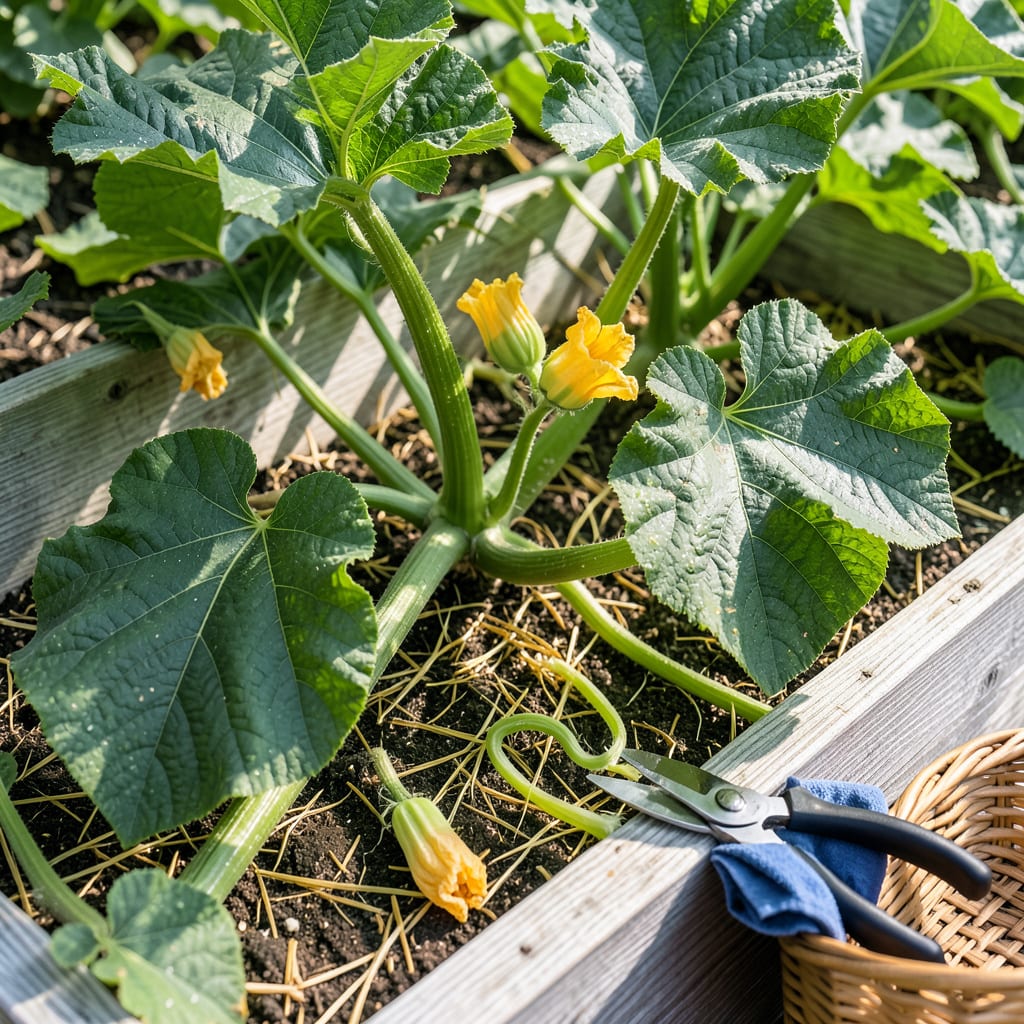
I used to let my squash plants run wild—until I realized pruning them could double my harvest. That first summer I tried it, the difference was shocking: bigger fruits, healthier vines, and way fewer powdery mildew problems. This isn’t about fancy techniques; it’s about making three strategic cuts at the right time.
You’ll spot exactly which leaves to remove (hint: look for the big, shading ones blocking sunlight from fruits) and where to trim for better air flow. The whole process takes less than 10 minutes per plant, and you’ll see results within a week. No special tools needed—just clean pruners and the courage to make that first cut.
📚 In This Guide
This simple technique takes less than 15 minutes and will transform your squash harvest—no fancy tools required.
Wait until your squash plants have 4-6 true leaves and are actively vining. This usually happens about 3-4 weeks after planting, when the main stem is about 12-18 inches long. I always check for the first female flowers (you’ll see the small fruit at the base) before making any cuts.
The best time of day is early morning when plants are hydrated but not stressed by midday heat. Avoid pruning when leaves are wet—this spreads disease. If you see powdery mildew starting, pruning improves air circulation and helps control it naturally.
Start by cutting any leaves that are yellowing, spotted, or touching the ground. These drain energy and invite pests. Use clean pruners (I wipe mine with rubbing alcohol) to snip where the leaf stem meets the main vine. Leave about 1 inch of stem to avoid damaging the main plant.
Next, remove any side shoots growing from the base of the plant. These “suckers” won’t produce fruit and just divert energy from your main harvest. I pinch these off with my fingers when they’re small—no tools needed for shoots under 6 inches.
Focus on the center of the plant where leaves are most crowded. Thin out enough foliage so sunlight can reach the middle and air can circulate freely. I aim to remove about 20-30% of the leaves total—this sounds aggressive but the plant rebounds quickly.
For vining types like zucchini, cut back the longest runners by about one-third. This forces energy into fruit production rather than endless vine growth. Always make cuts at a 45-degree angle about ¼ inch above a leaf node to prevent water pooling on the wound.
Once fruit starts forming, I remove the oldest leaves near the base that are shading developing squash. These lower leaves get less light anyway and often develop mildew first. Keep at least 3-4 healthy leaves above each fruit to maintain photosynthesis.
For bush varieties, focus on opening up the center canopy. I use my hand to gently part the leaves and identify which ones are blocking light from reaching immature fruit. A single well-placed cut can double the sunlight exposure to your harvest.
After your initial pruning, do a quick 5-minute check weekly. Remove any new yellow leaves, suckers at the base, or leaves touching the ground. I carry a small bucket with me to collect pruned material—this prevents disease spread from leaving debris in the garden.
Watch how the plant responds. If you see vigorous new growth within 3-4 days, you’ve pruned just enough. If growth seems stalled, you may have removed too much foliage—give it a week to recover before pruning again. The plant will tell you what it needs.
Pruning squash plants is simpler than it seems, but these practical insights will help you avoid common pitfalls and maximize your harvest.
Timing Precision: The 3-4 week window mentioned in Step 1 is crucial—prune too early and you’ll stunt growth, too late and you’ll miss the opportunity to redirect energy. I’ve found that waiting until the main stem reaches exactly 12-18 inches gives the best balance between plant establishment and fruit production. Early morning really is the golden time; I once pruned in late afternoon and noticed significantly more stress on the plants the next day.
Pruning Technique: When removing 20-30% of leaves in Step 3, focus first on the oldest, largest leaves at the plant’s base. These are the least productive for photosynthesis but consume the most energy. The 45-degree angle cut mentioned isn’t just for aesthetics—it prevents water from collecting on the wound, which I learned the hard way after losing a plant to stem rot from flat cuts. Always leave that 1 inch of stem when removing leaves; it protects the main vine from damage.
Tool Maintenance: Between each cut, wipe your pruners with rubbing alcohol as mentioned in Step 2. I keep a small spray bottle of alcohol in my gardening kit for this purpose. Disease spreads rapidly on squash plants, and I’ve seen entire crops lost from using dirty tools. For the small suckers under 6 inches, your fingernails work perfectly—no need for tools unless they’re thicker.
Ongoing Care: That 5-minute weekly check in Step 5 makes all the difference. I set a phone reminder every Saturday morning to do my squash plant walkthrough. The 3-4 day response time mentioned is accurate—you’ll see new growth surprisingly fast when you’ve pruned correctly. If you notice the plant isn’t responding after a week, you’ve likely removed too much foliage; give it time to recover before pruning again.
Prune squash plants early in the morning when they’re hydrated and less stressed. Start when vines reach 3–5 feet long (usually 4–6 weeks after planting). Avoid pruning during extreme heat or when plants are flowering heavily—focus on overgrown leaves or damaged areas first.
Done correctly, pruning boosts yields! Removing excess leaves improves airflow, reduces disease, and directs energy to fruit. Just avoid over-pruning—never remove more than 1/3 of the plant at once. Think of it like giving your squash a “haircut” for better growth!
Sharp bypass pruners (or clean scissors for small vines) work best—they make precise cuts without crushing stems. Avoid dull blades! Sterilize tools with rubbing alcohol to prevent disease. Pro tip: Wipe blades between plants if you’re pruning multiple squash.
Squash pruning focuses on removing older leaves and trimming vines to control size, while tomato suckers are tiny shoots between branches. For squash, prioritize cutting yellowing leaves or vines blocking sunlight. No “sucker” pinching needed—just strategic trims!
Brown edges often mean sunburn (if you pruned too many shade leaves) or disease entry (from dirty tools). Next time:
