
Beautiful Plants For Your Interior
Beautiful Plants For Your Interior
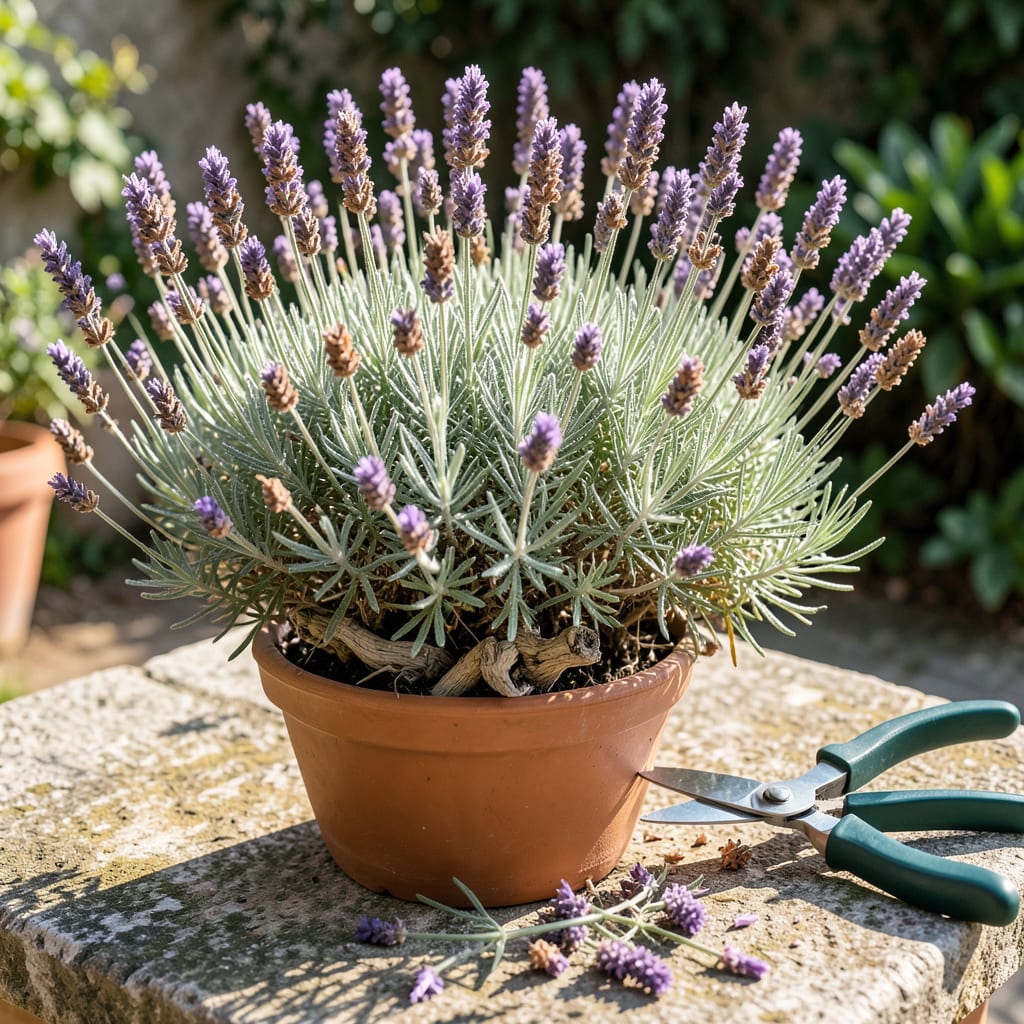
That first whiff of Spanish lavender in bloom is worth every minute of care—especially the pruning. I learned the hard way that skipping this step turns those vibrant purple tufts into woody, leggy disappointments. The right cuts at the right time transform a struggling shrub into a compact, flower-packed powerhouse that hums with bees all season.
Timing and technique matter more than you’d think. Prune too late, and winter damage ruins next year’s blooms. Hack at it blindly, and you’ll end up with bare stems and zero flowers. But do it right—just once or twice a year with sharp pruners—and your lavender will reward you with denser foliage and twice the blooms, year after year.
📚 In This Guide
Pruning at the right time with the right technique keeps your lavender thriving for years. Here’s how I do it.
Timing is everything with Spanish lavender. I always prune immediately after the first flush of blooms fades, typically in late spring or early summer. You’ll see the flower stems turning brown and papery—that’s your signal. Never prune in fall or winter, as new growth won’t harden off before cold weather.
If you’re in a hot climate, you might get a second bloom cycle. In that case, do a light prune after the second flowering too. Just remember: never cut back after August, or you risk damaging new growth before winter dormancy.
Use sharp bypass pruners (not anvil-style) that you’ve cleaned with rubbing alcohol. Spanish lavender has woody stems that can splinter if cut with dull blades. I like to wear gloves too—the foliage isn’t prickly like English lavender, but the stems can be tough on hands.
Before making any cuts, step back and visualize the plant’s natural shape. You’re aiming to maintain that lovely mounded form, not create flat tops or square edges. This is sculpting, not shearing—think of yourself as giving the plant a gentle haircut rather than a buzz cut.
Start by removing all spent flower stems, cutting back to just above where they emerge from the foliage. Then, thin out about one-third of the oldest stems at the base to encourage new growth. Look for woody, gray stems—these are the ones to remove.
For the remaining stems, trim back by one-third of their length, making cuts just above a set of leaves. Never cut into bare wood without leaves—Spanish lavender struggles to regrow from old wood. You should still see plenty of green growth after pruning; if you’ve exposed large patches of brown stem, you’ve cut too far back.
After pruning, I always give my lavender a good drink of water at the base—this helps reduce stress from the pruning process. Remove all cut material from around the plant to prevent pest issues. The clippings make wonderful sachets if you dry them properly.
Hold off on fertilizing—Spanish lavender thrives in lean soil, and too much nitrogen will give you leafy growth at the expense of flowers. Instead, add a 1-inch layer of gravel mulch around the base (but not touching the stems) to improve drainage and reflect heat. You’ll see new growth emerging within 2-3 weeks if you’ve pruned correctly.
Watch your plant over the next month. Healthy regrowth will appear as bright green shoots emerging from the remaining foliage. If you notice dieback on any stems, trim those back further into healthy tissue. Spanish lavender is remarkably resilient when pruned properly.
The year after proper pruning, you’ll be rewarded with more abundant blooms and a fuller plant. I’ve maintained the same Spanish lavender plants for over a decade using this method—they just get more beautiful each year. The key is consistency: prune at the same time every year, and never skip the annual thinning of old wood.
Pruning lavender properly makes all the difference between a thriving plant and one that struggles. Here’s what I’ve learned from years of maintaining my own lavender.
Timing is Critical: The late spring or early summer window mentioned in Step 1 isn’t just a suggestion—it’s essential for plant health. I once pruned in late summer and lost several stems to winter dieback. Watch for those brown, papery flower stems as your signal, and mark your calendar for the same time next year. Consistency in timing leads to consistently beautiful plants.
The Right Tools Matter: Step 2 emphasizes bypass pruners for good reason. I tried using hedge shears once and ended up with ragged cuts that took weeks to heal. Clean your pruners with rubbing alcohol before and after—this prevents spreading any potential diseases between plants. The gloves might seem unnecessary until you’ve spent an hour gripping woody stems!
Less is More When Cutting: In Step 3, the one-third rule isn’t arbitrary. I’ve found that cutting back more than this can stress the plant, while cutting less doesn’t stimulate enough new growth. When thinning old stems, focus on the gray, woody ones at the base—they’re energy drainers. Always make cuts just above leaves; this gives the plant clear growth points to regenerate from.
Aftercare Makes the Difference: The 1-inch gravel mulch in Step 4 does double duty—it improves drainage (which lavender loves) and reflects heat back to the plant. I skipped this once and noticed my lavender took nearly a week longer to show new growth. That 2-3 week timeline for regrowth is accurate, but proper aftercare can shave days off that wait. Remove every bit of cut material too; I learned this after dealing with earwigs hiding in my lavender clippings.
Prune right after flowering—typically late summer or early fall (August–September). Avoid pruning in winter or early spring, as this can remove new growth or frost-damaged stems. A light trim in early spring (March) is okay to shape it, but never cut into old wood!
No! Spanish lavender (Lavandula stoechas) has a woody base—never prune into old, bare stems (it won’t regrow). Stick to trimming just above the green growth (about 1–2 inches). Hard pruning can kill the plant.
Leggy plants need gradual rejuvenation. Over 2–3 years, trim back by one-third annually after flowering to encourage new growth. If it’s already too woody, replace it—Spanish lavender doesn’t recover well from severe cuts.
Yes! Deadheading (removing spent blooms) encourages more flowers and prevents self-seeding. Snip just below the flower head, but avoid cutting into the foliage. Do this throughout the blooming season (spring–summer).
Spanish lavender is less cold-hardy and can’t handle hard pruning like English types. Focus on light shaping and deadheading. English lavender tolerates heavier cuts (up to one-third annually). Always check your plant’s variety!
